
Technique

Noh costumes are created through meticulous handiwork

Written and photographed by: Tamiko Tamura | Interview assistance: Sasaki Noh Costume

Key points of this article!

In the world of Noh theater, stage costumes are called "shozoku."
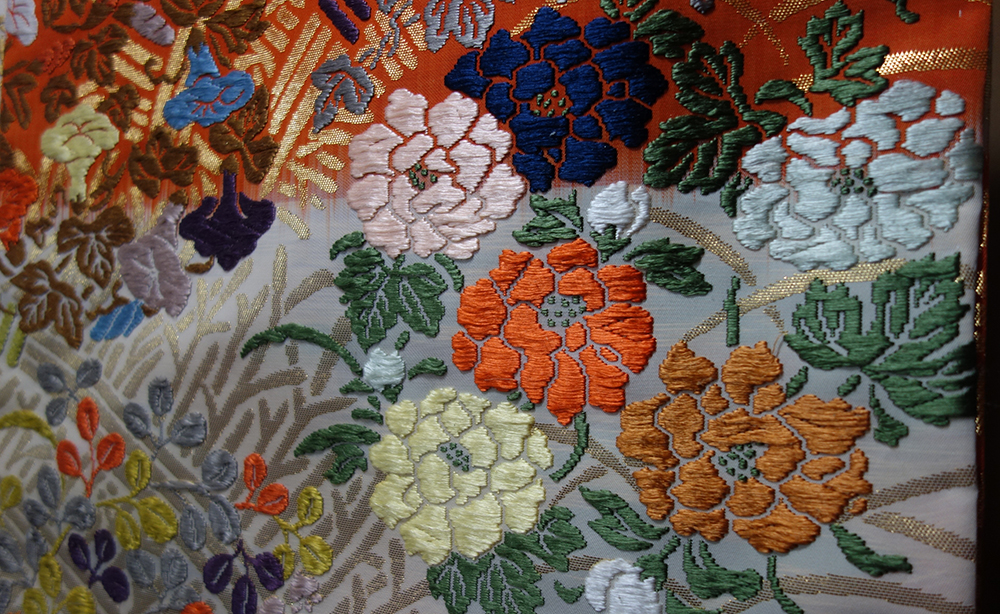
These shozoku, created through the ultimate in handcrafted work that spares no effort or time, possess a radiant beauty. They are
believed to embody a soul and are treated with reverence as beings that transcend mere objects.


Let's explore Noh theater , starting with the costumes .

Noh is often perceived as difficult to understand, but it is a profound performing art with countless points of enjoyment.
Refined movements, mysterious voices that seem to emerge from the darkness, and the spirited sounds of the music...
When watching Noh, the important thing is to sharpen your senses. Don't try to understand it with your head, but free your heart like a child and just feel.
If something suddenly captivates you, that's a good starting point for you.
One recommended entry point for Noh beginners is the costumes worn by the performers. Their charm lies first in their overwhelming beauty, and then in their strong presence, as if they conceal a will within. They become one with the performer's body, creating illusions and inviting the viewer into a mysterious world.
How are these costumes made? Let's take a peek into the production site.

The place where Noh costumes are made ——

The art of Noh costume making passed down in Nishijin

The place we visited was Nishijin in Kyoto, specifically Sasaki Noh Costume, a weaving company specializing in Noh costumes.
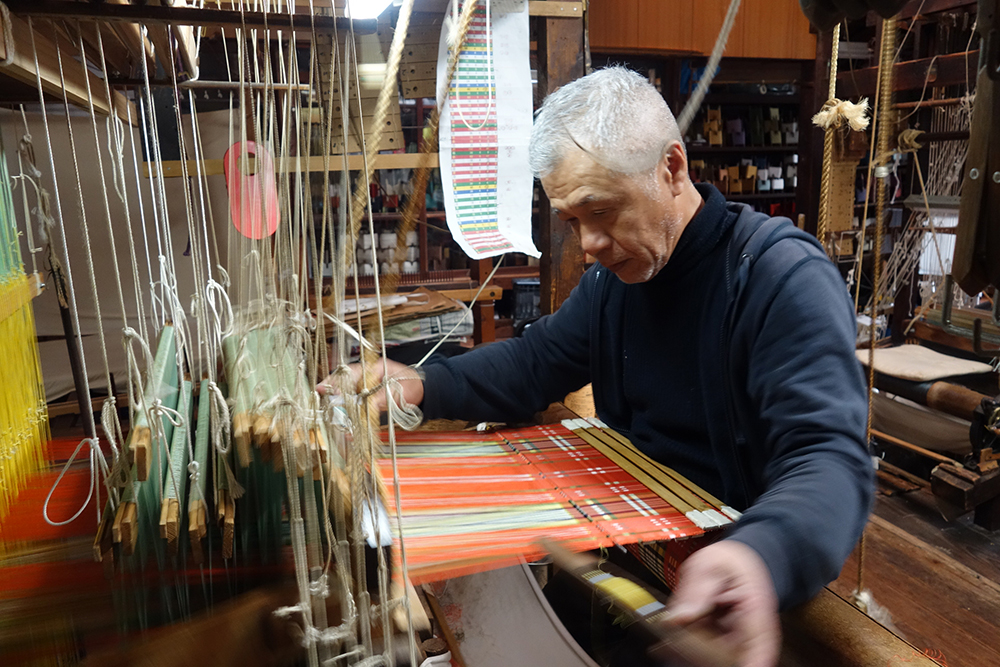
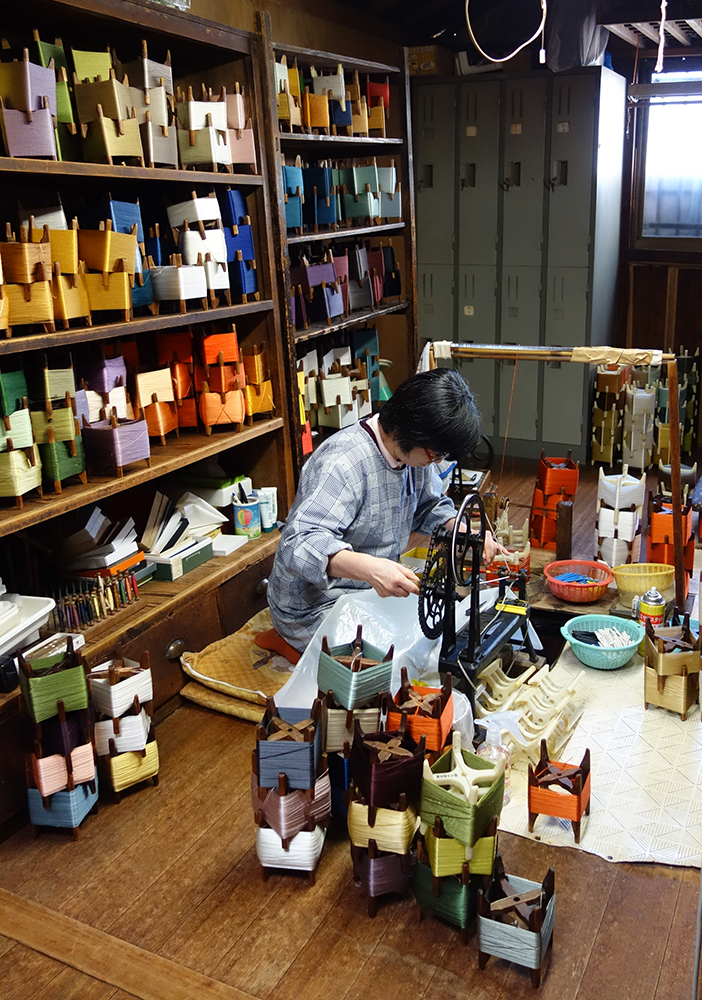
Founded in 1897, the company is run by President Yoji Sasaki, a skilled craftsman himself, who directs a team of over ten people who handle tasks such as yarn dyeing, weaving, and sewing.
Noh costumes require not only visual beauty and luxury, but also comfort. Mr. Sasaki has studied Noh since childhood and is well-versed in performance. He pours this experience into costume making, creating unique costumes that possess both a sense of weight and gravitas, while also being light and supple. He has earned the deep trust of many Noh performers who say that his costumes are "easy to put on, light, and easy to perform in."

The ultimate custom-made

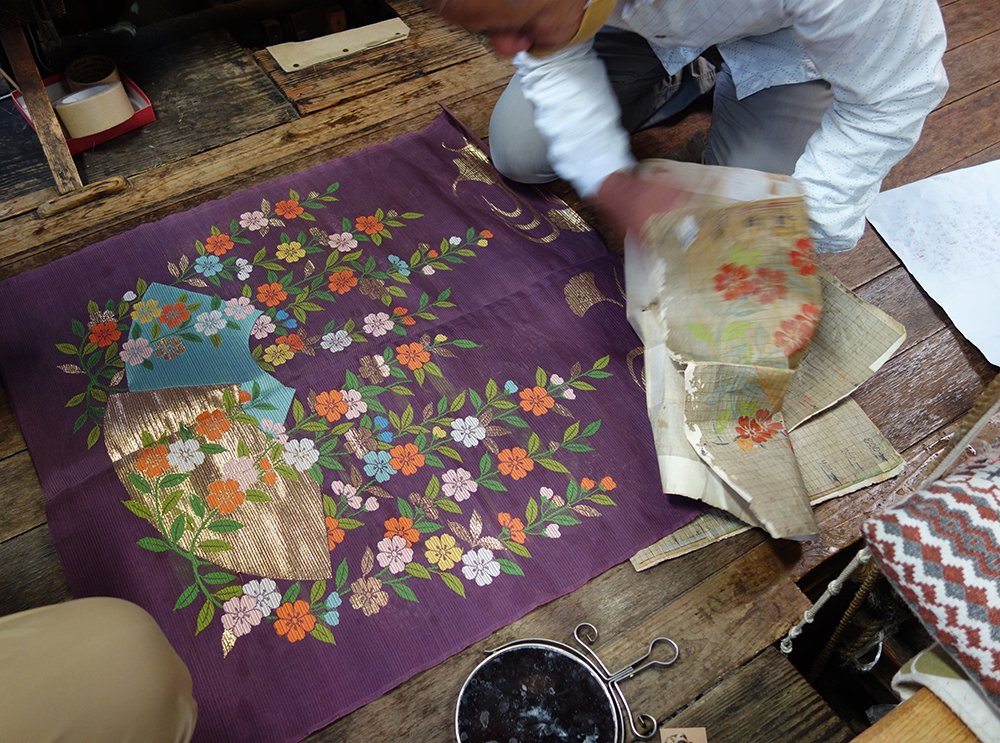
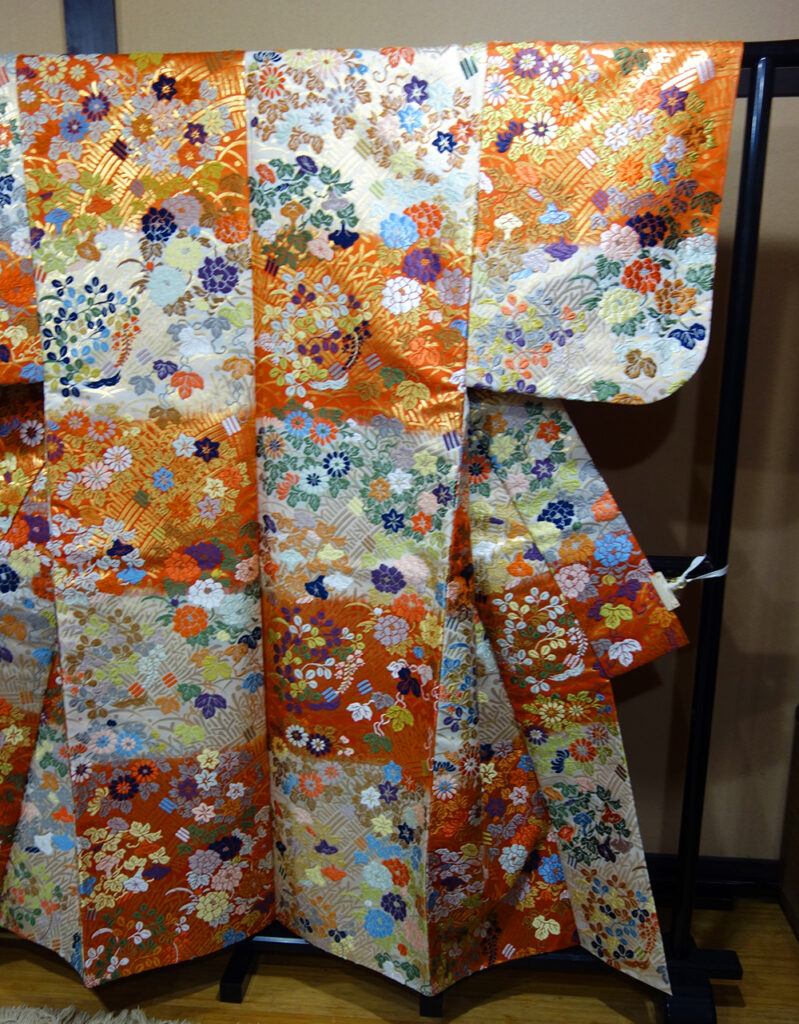
Noh costumes are made to order, one-of-a-kind pieces. For example, a Noh actor might order, "I'll be playing the shite (main character) in the play 'Izutsu' next year, so I'd like you to make a karakuri (*) costume for it."
First, Sasaki selects and procures the threads, taking into account the desired texture of the finished product. He then dyes the threads to the appropriate colors, stretches them on a large wooden loom, and begins the weaving process. Once the fabric is ready, he cuts and sews it. Every step requires meticulous planning and skilled technique, and takes an incredible amount of time and effort.
"The skill and attitude of the person who made the costume are all imprinted on it. I feel that I must do work that I can be proud of for future generations," says Sasaki. This world of craftsmanship, imbued with soul, is being quietly passed down within the art of Noh.

*Karaori:
A type of garment in the form of a kosode (short-sleeved kimono) with elegant patterns created using weaving techniques.
It is mainly used as an outer garment for female roles. Originally, it was the name of a type of textile.

Tips for appreciating traditional Japanese clothing
Learn the basic conventions .

In Noh theater, where stage sets are rarely used, costumes play a vital role in visualizing the world of the story.
Furthermore, costumes are stylized and adhere to various conventions. Let's look at one of them.

Red color

A costume featuring many shades of red.
It's worn when playing the role of a young woman.

Colorless

Costumes in muted colors such as green, blue, and brown, without any red tones. These
are worn by women in their middle age or older, such as mothers or elderly women.


A rare opportunity to observe the process of putting on traditional costumes .

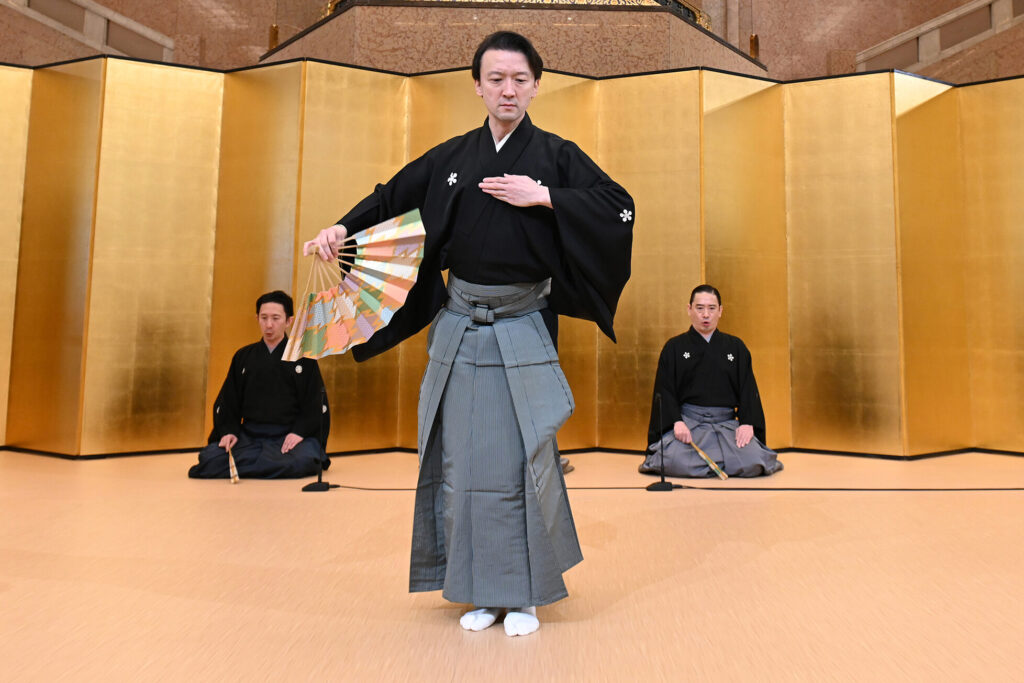
In the world of Noh, there are no backstage staff like in Kabuki. Noh performers themselves put on their costumes.
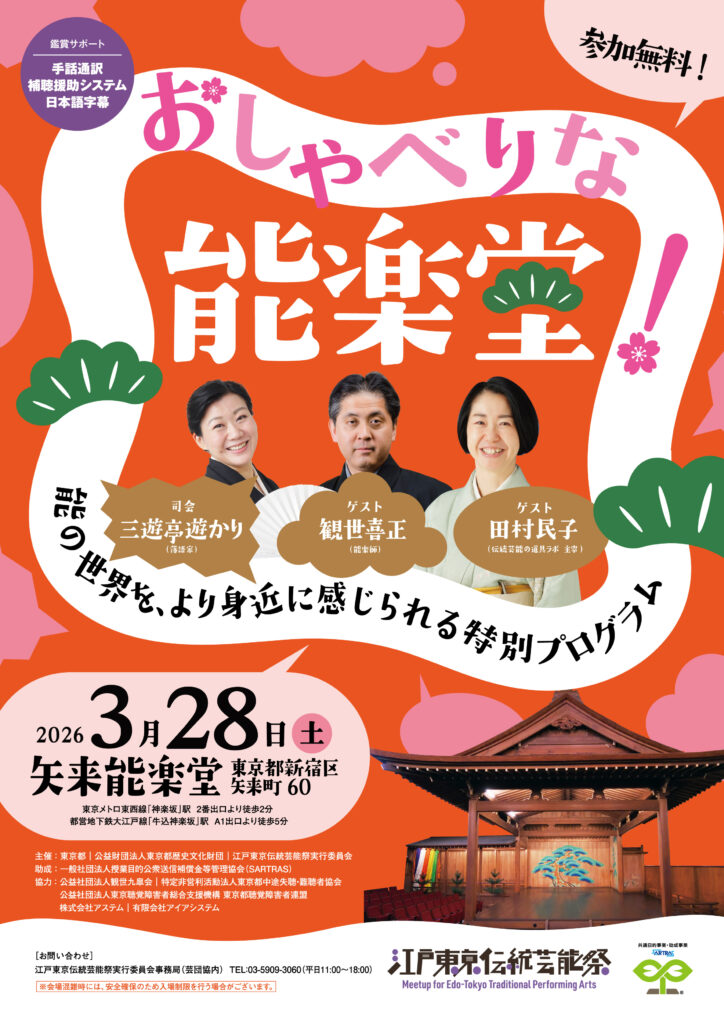
At the event on March 28th, this process of putting on costumes will be demonstrated on the Noh theater stage. You will surely be amazed by their skillful movements. This is a
great opportunity to take a closer look at Noh costumes. Please come and join us!

A chatty Noh theater!

Held on Sunday, March 28, 2026, at the Yarai Noh Theater in Kagurazaka!
We will introduce you to the backstage area that you normally can't see, as well as Noh masks and costumes, with fun explanations. There will
also be a special talk at 13:00 about Noh costumes and props.
And at 14:30 there will be a demonstration and explanation of how to put on Noh costumes.

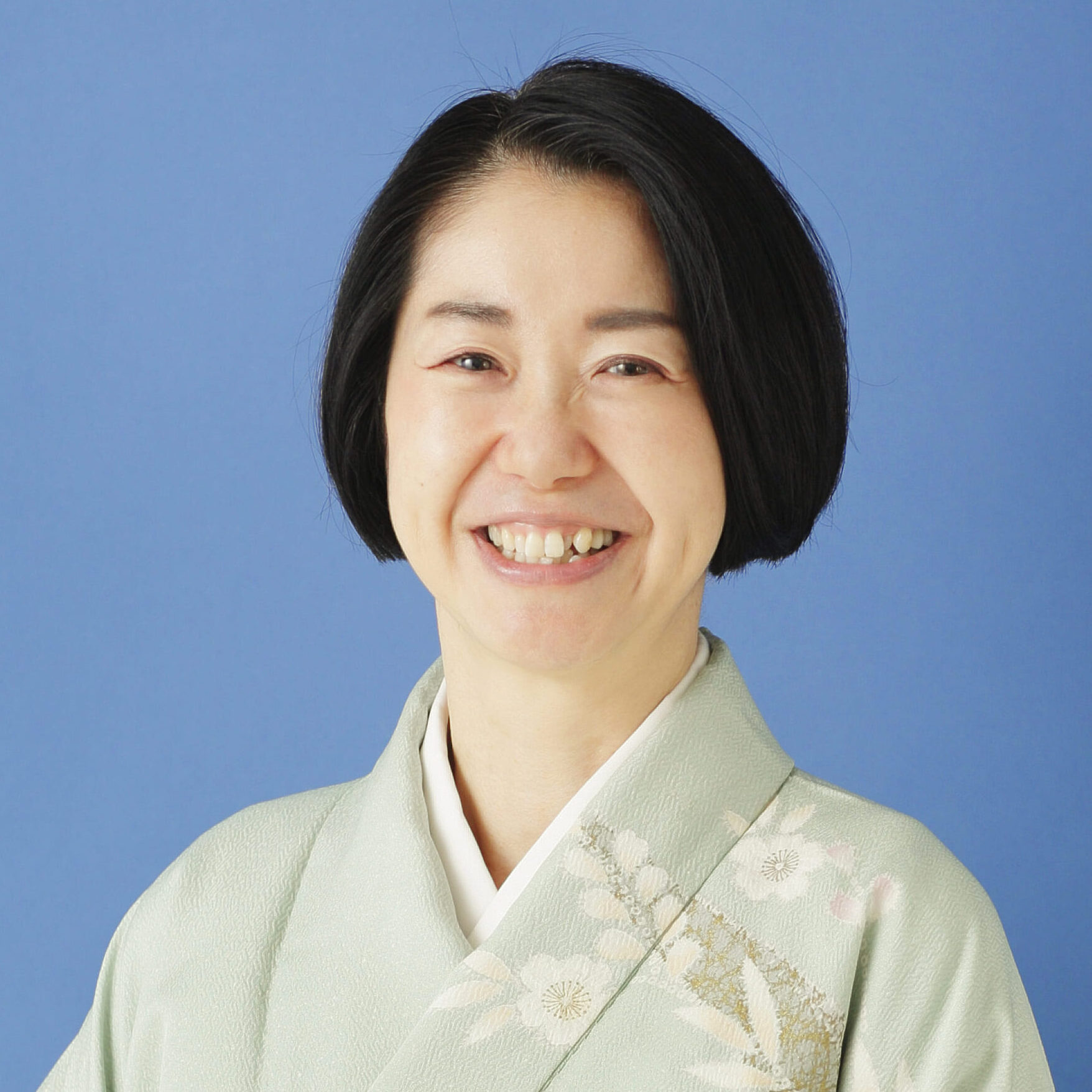
Tamiko Tamura

She is the founder of the "Traditional Performing Arts Tools Lab." She writes, lectures, conducts research, and restores tools related to traditional performing arts.
Since 2009,
she has been running the "Traditional Performing Arts Tools Lab" to support the backstage staff and artisans involved in "tools for traditional performing arts" such as Noh, Kabuki, and Bunraku. She is currently serializing "The Tool Box Kaleidoscope" in the Tokyo Shimbun.


A recommendation for experiencing Noh theater, enjoyable for everyone from beginners to experienced performers.

It's not difficult! Experience the world of Noh theater in an easy and enjoyable way!
Edo Traditional Performing Arts Festival Pre-Event Live Report

About this column
plan
  • Sponsored Events
Genre
  • Noh
  • Work in traditional performing arts
  • Behind the scenes of traditional performing arts
subject
  • For beginners
Technique