
word

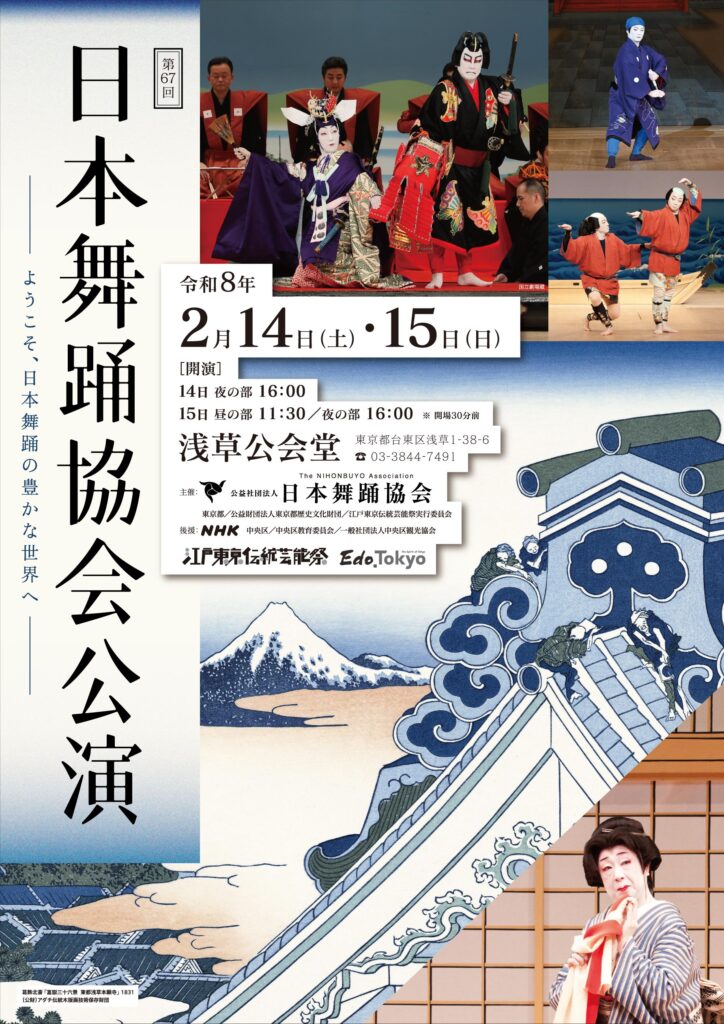
Watch and feel the love between parent and child in a live performance of Japanese traditional dance! A female dancer takes on the role of "Kosode Soga"

Interviewer and editor: Abe Satomi (dance critic) |
Photography: Sugawara Kota |
Stage photos of "Kosode Soga" provided by: Japan Dance Association (public corporation)

Japanese dance was designated an Important Intangible Cultural Property of Japan in 2023.
At the 67th Japanese Dance Association Performance, leading Japanese dancers from various schools will perform together over two days, showcasing a wide variety of pieces unique to Japanese dance. With a colorful lineup that includes both time-honored pieces and newly created pieces, this performance will allow you to see the diverse charms of Japanese dance all in one place. We spoke to the Japanese dancers who will be performing "Kosode Soga" in the evening performance on the second day of the performance (February 15th) about their thoughts on the piece and what to look out for in the performance!

Kosode SogaThat's why'What?'
The final piece of the performance was the Nagauta "Kosode Soga" --

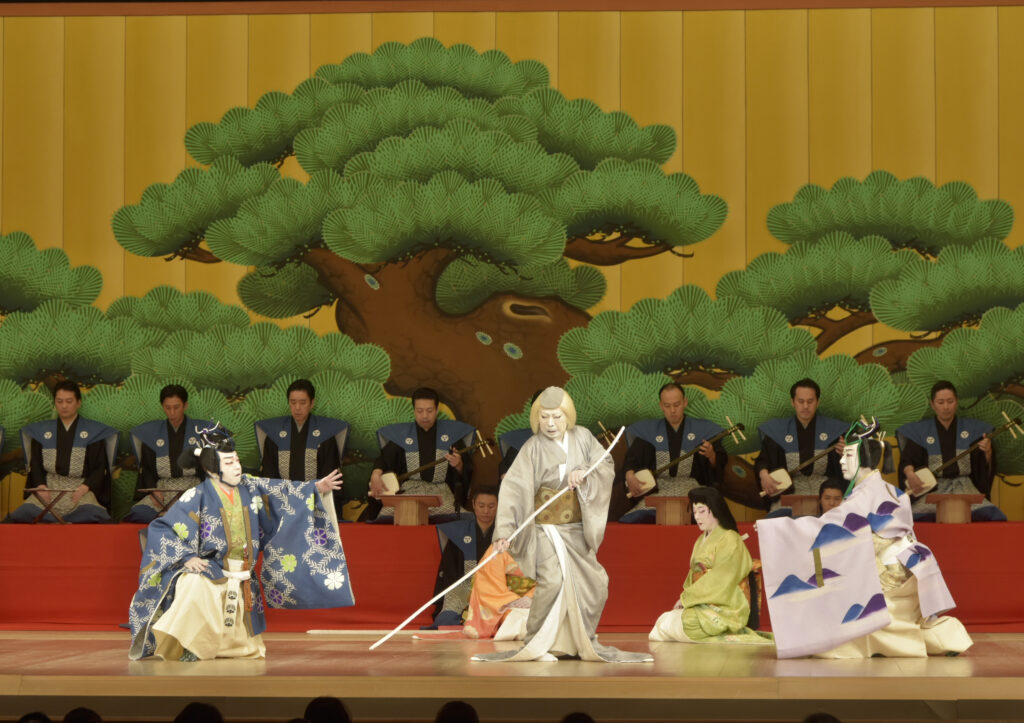
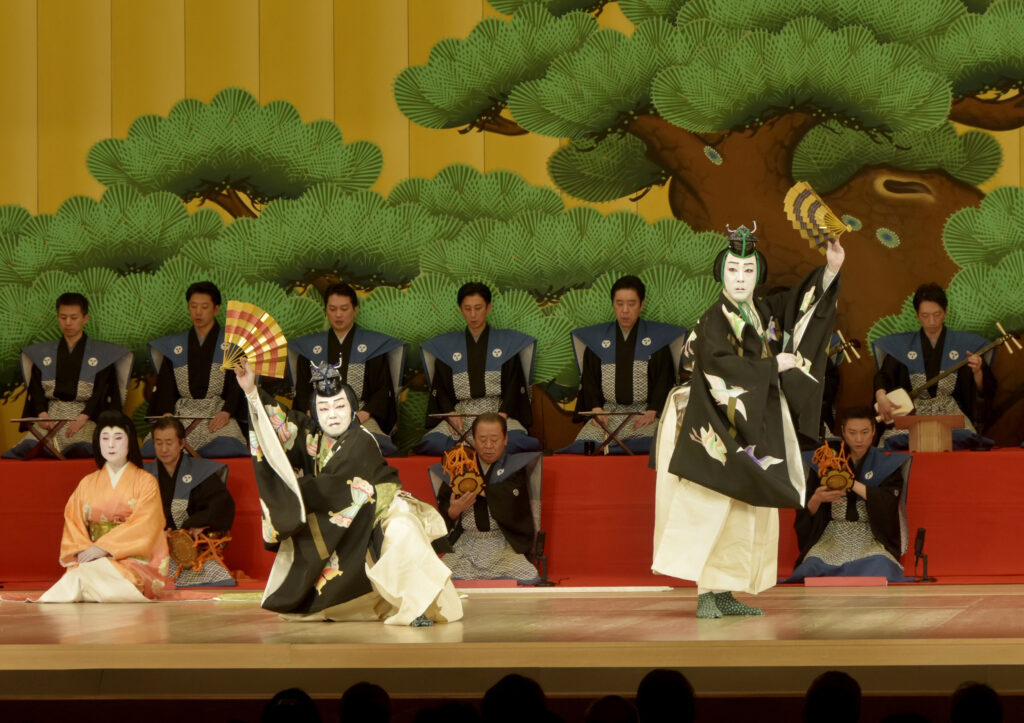
This work tells the story of the Soga Brothers, one of Japan's three great vendettas, and depicts the love between the brothers, Juro and Goro, and their mother. The setting is the mansion of their mother, Mitsue. The brothers, Juro and Goro, lost their father at a young age, and for 18 years endured various hardships in order to avenge their father. Now, finally, they have the opportunity to avenge their father's death, and they come to their mother to ask for forgiveness for disowning Goro. Still angered, Goro only wants to see Juro, but with Juro's intercession, she finally forgives him. The brothers, sad to part with their mother, set off on a journey to the foot of Mount Fuji, where their enemy lies.
The piece premiered in December 1938 at the 24th Hanayagi Dance Research Association's Shinbashi Enbujo Theater. It was created as a scene in the full-length dance drama "Soga Emaki" (choreography by Hanayagi Jusuke II). The subject is a part of the "Soga Monogatari," which is said to have been written around the time of the Northern and Southern Courts period. Since it was created in the Showa era, it can be said to be a combination of old and new Japanese dance.

The most important thing is the "depth of emotion"
- the thoughts of the performers --

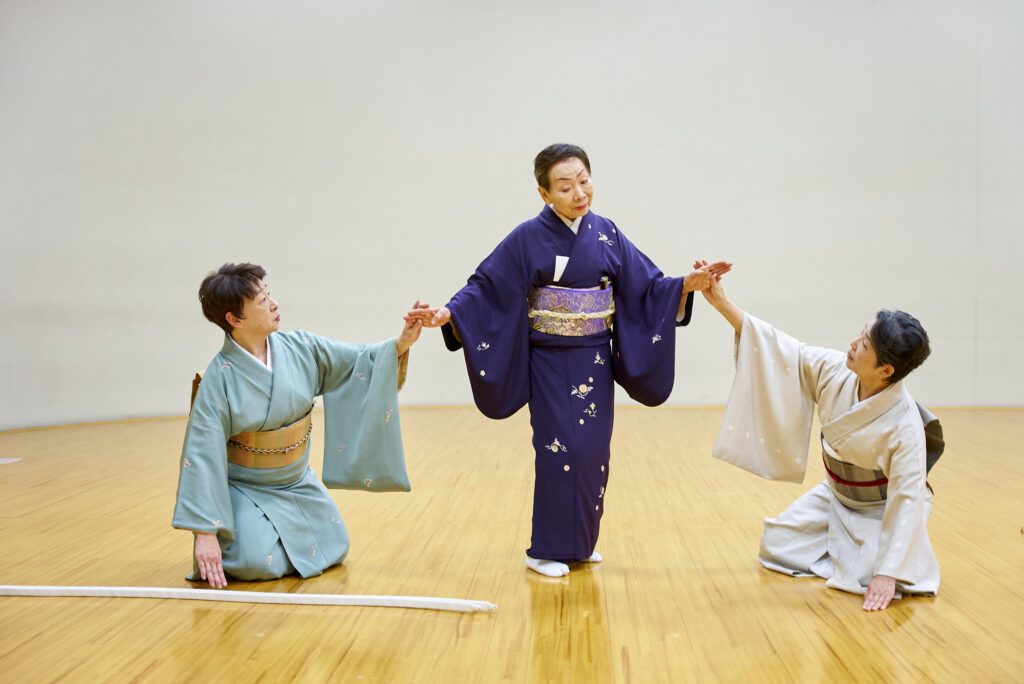
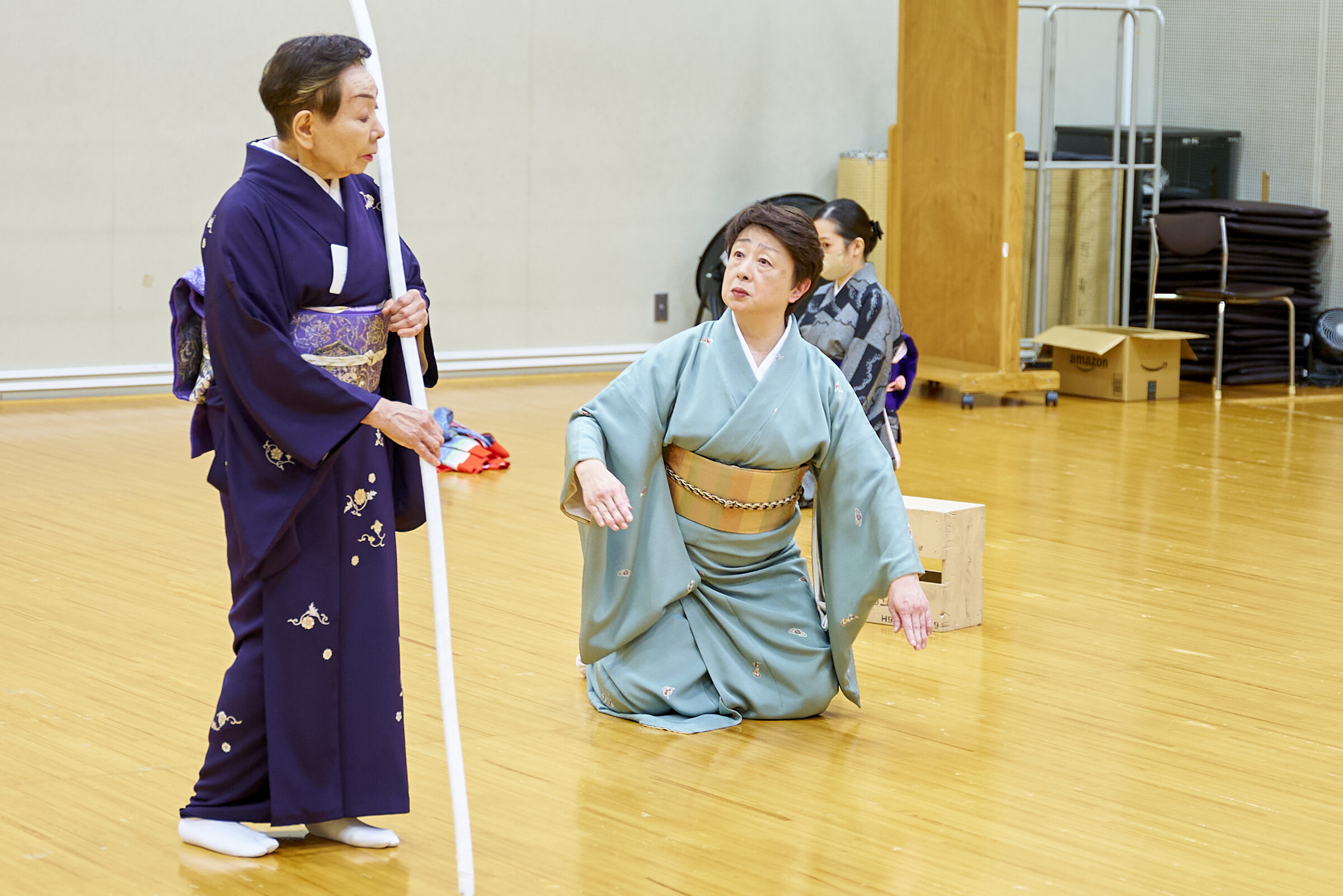
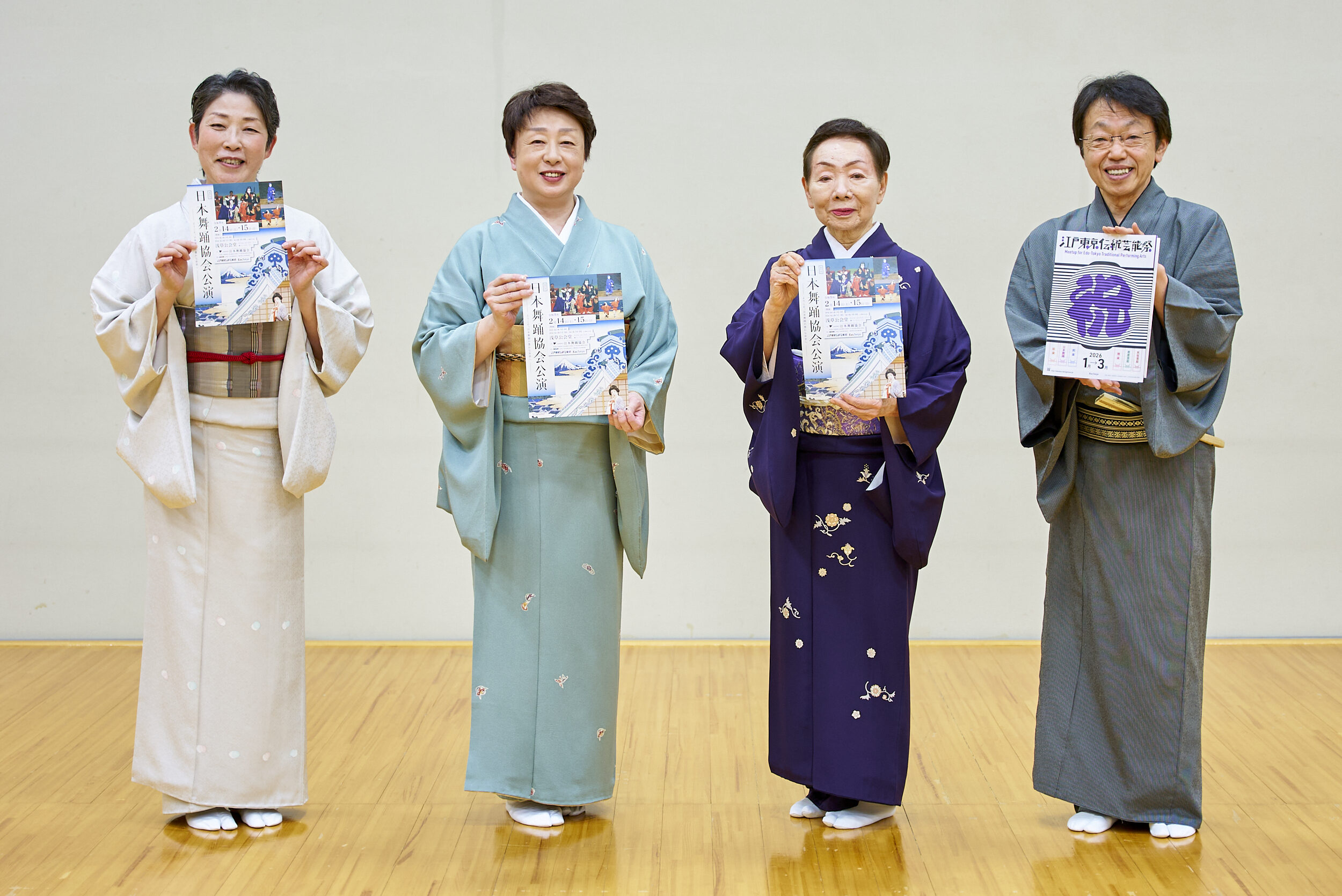
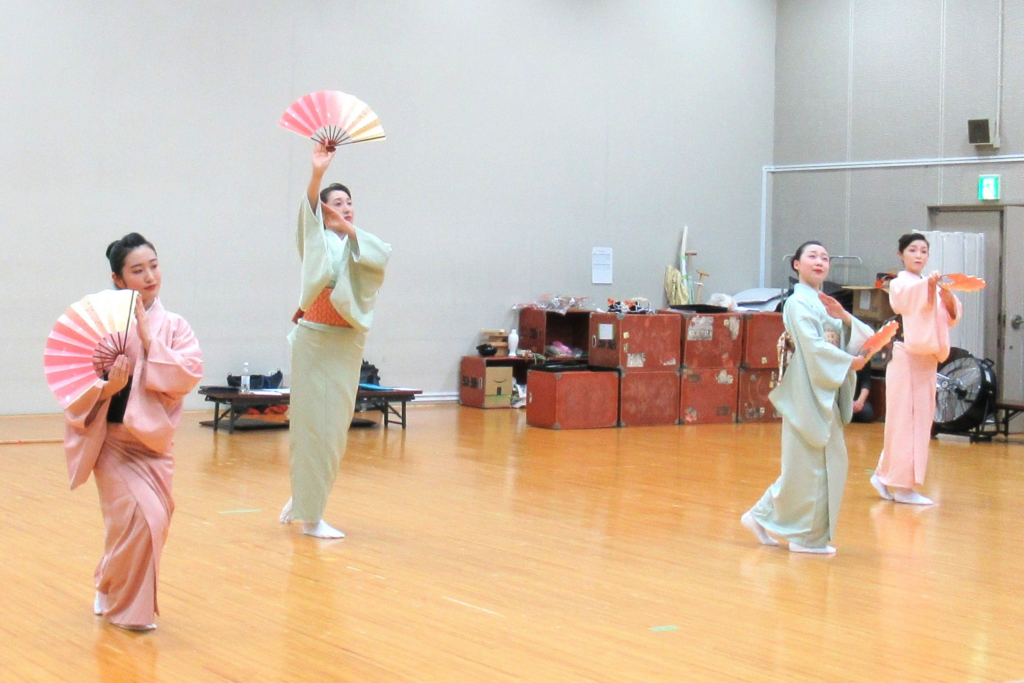
The story revolves around the bond between the young brothers Soga Juro and Goro, their mother Mitsue who watches over them and must sometimes push them away harshly, and their respective fiancées, the ladies-in-waiting Katakai and Izayoi. We spoke to Hanayagi Sukutaro, who is in charge of portraying each character, Fujikage Shizue who plays the mother Mitsue, Mizuki Yuka who plays Soga Juro, and Fujima Etsuko who plays Soga Goro, about their enthusiasm for showcasing the skills unique to women


contributes to the quality of the work.

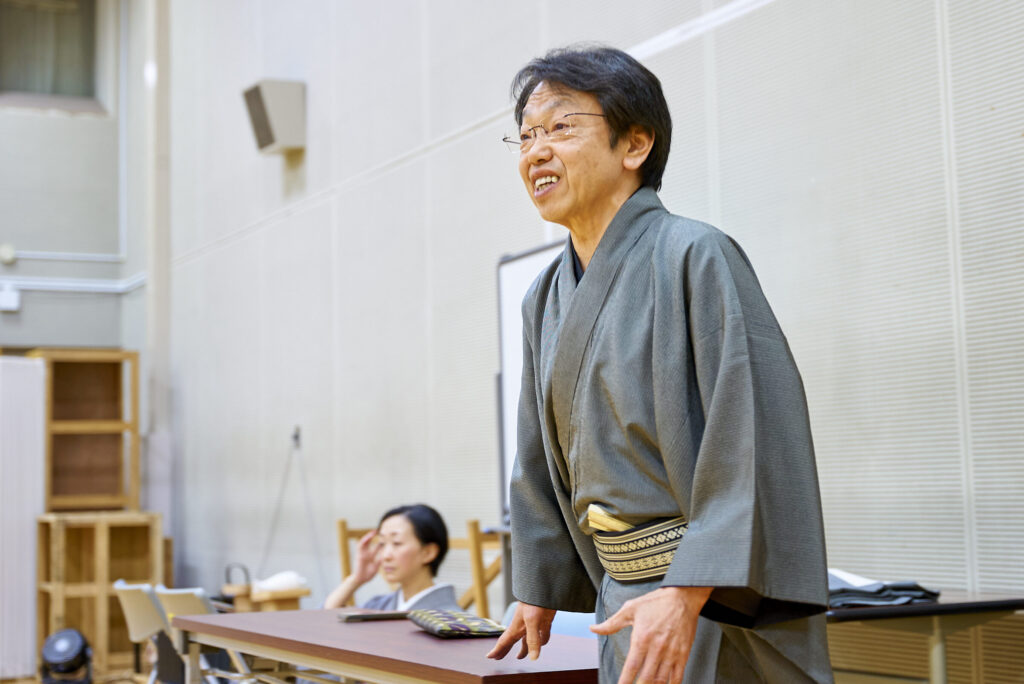
Hanayagi Sutaro, who was in charge of directing this production, said, "The important thing is to show the deep affection between parent and child, and in particular, that Goro is a character that the mother, Mitsue, cannot help but love." He added, "The beauty of this production will emerge if that affection is conveyed, such as when the maid (who is actually Juro and Goro's fiance) receives the brothers' feelings and conveys them to the mother."

Mother Manko's thoughts

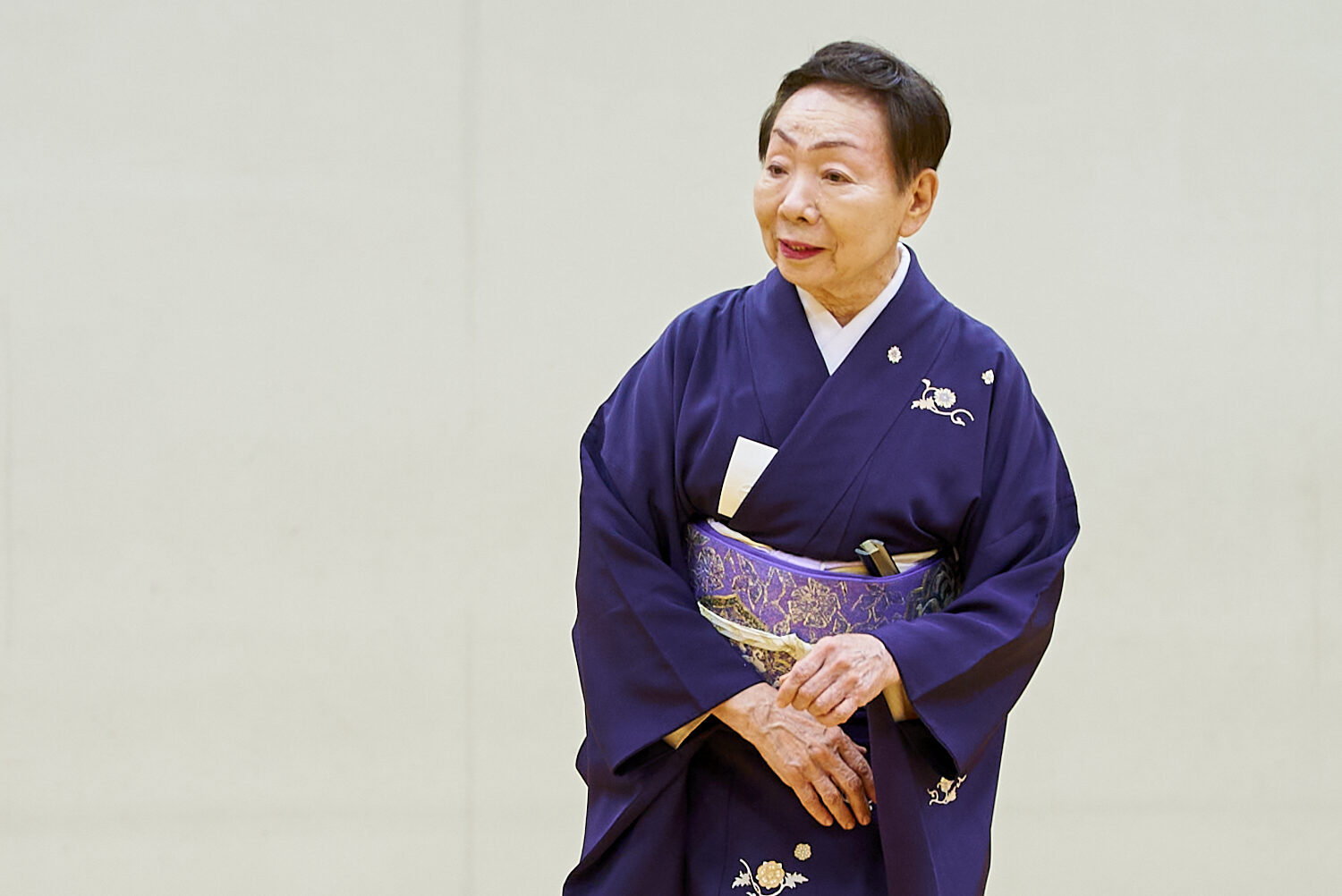
The mother, Mitsue, is a heavy role that has traditionally been played by a head of a school. Shizue Fujikage said, "When I was offered the role, I hesitated, wondering if I was the right person for it." She added, "Since I'm taking on the role, I want everyone to understand the work... I'm working hard, thinking that the biggest challenge is how to convey the depth of her love for Goro, how she wants to forgive him but can't easily, and the passionate feelings she has inside, while suppressing her emotions."

The delicate and difficult role of Juro

His older brother, Juro, mediates between his mother and Goro. Mizuki Yuka said that in addition to the difficulty of maintaining a softness in his movements without appearing feminine, "As the eldest son and as the older brother, I want my mother to somehow undo her disownment of my younger brother. My role is to understand the feelings of both my mother and my younger brother and to connect the two. I need to act sensitively, as I must differentiate between when I see my mother and when I'm with Goro." She also said, "Rehearsals are a constant source of discovery, and although I don't have much experience with costumes like this one, I want to steadily build up my skills through trial and error."

Goro is not just "naughty"

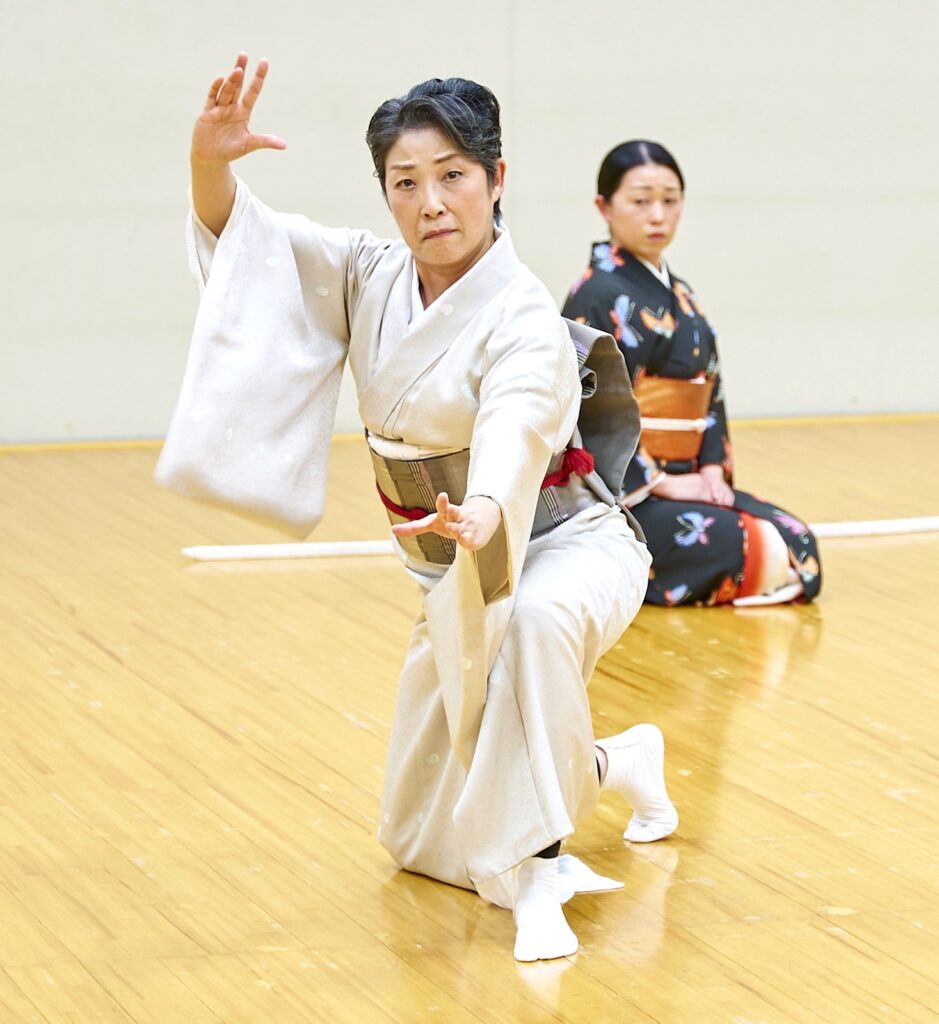
Goro was disowned by his mother for many years. Fujima Etsuko says, "Goro is a mischievous character, but he's not a child. He loves his older brother very much, does whatever he's told, and believes he'll die with him in the end! He has a deep respect and love for his brother. On the other hand, he wants to be spoiled by his mother, but can't let it out, and is protected by both his mother and his mother, and I hope I can play that kind of Goro." She also adds, "I really felt that the Hanayagi school of dance is designed in such a way that if you follow it properly, it will come together as a story in the world of the work."

"Kosode Soga" painted by three people in a way that only women can

Although this is the first time that these three members have worked together on such a theatrical production, they say that as they have rehearsed, they have naturally begun to see the results. It is the last meeting between father and son in this world. It has also emerged that, even though the mother has disowned Goro, she has been looking forward to his visit and has prepared a kosode (short-sleeved kimono) for him. Hanayagi Sutaro also commented, "I'm sure they will create a wonderful production." He also expressed his hopes for the portrayal of the roles unique to women, saying, "I hope we can create a Goro and Juro that is different from the powerful portrayal that men often have."
Please join us in the audience as we watch the emotions of each of the characters being handed over within the beautiful style.

The 67th Japanese Dance Association Performance

Held at Asakusa Public Hall on Saturday and Sunday, February 14th and 15th, 2026!

Over two days, you can enjoy

a wide variety of performances unique to Japanese dance, from popular classical dance to modern and contemporary creative dance, and even Kamigata dance From veterans to young artists in the Japanese dance world,
leading dancers from various schools will perform together.

Come to the theater and enjoy the rich charm of Japanese dance, which has been vibrantly passed down to the present day

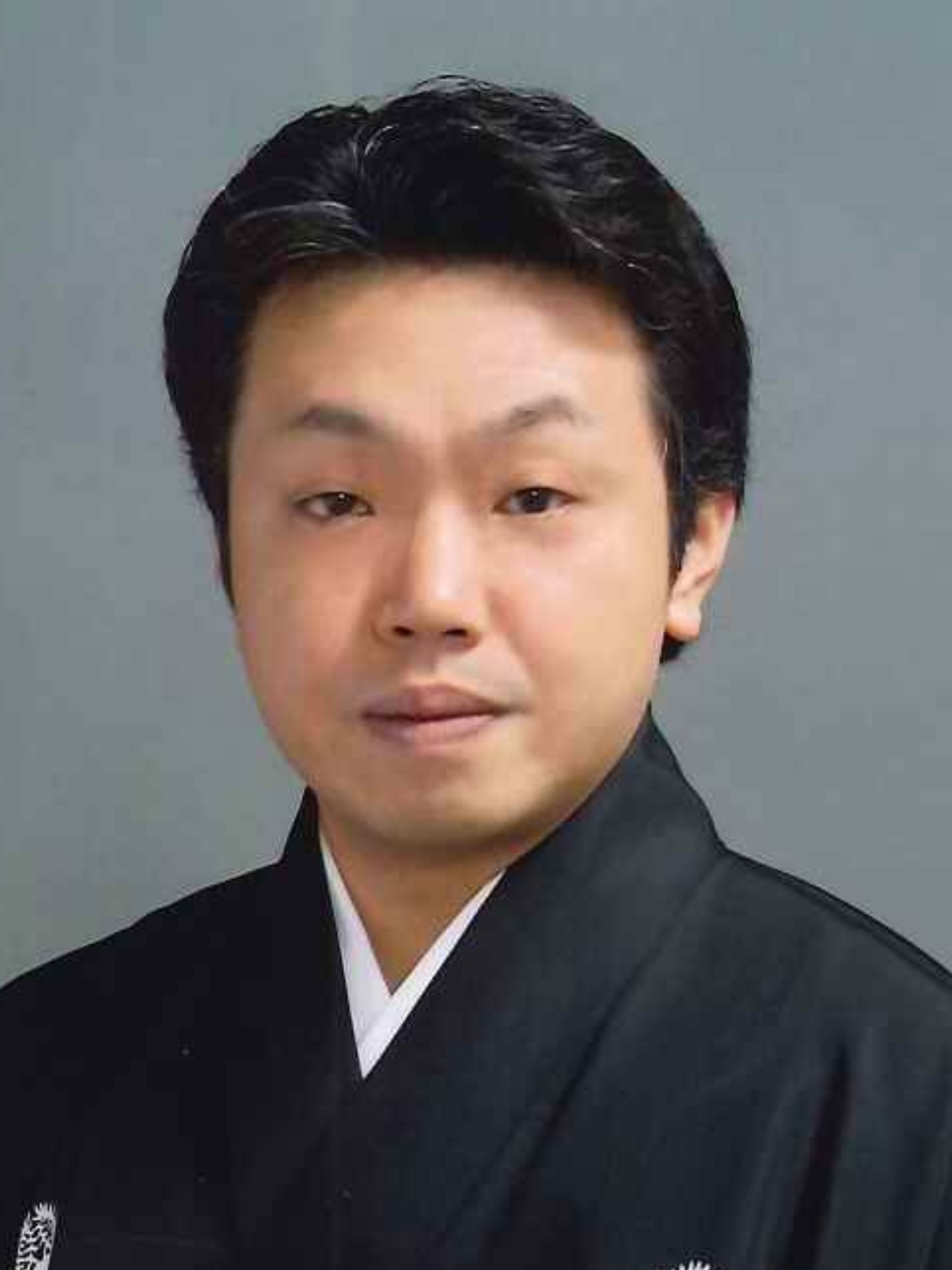
Hanayagi SūtaroHanayagisuketaro

He studied under his father, Hanayagi Seizaburo. He has appeared in numerous performances both in Japan and abroad, including performances sponsored by the Japanese Dance Association. He
currently teaches aspiring dancers as a professor in the Department of Traditional Japanese Music, Faculty of Music, Tokyo University of the Arts, majoring in Japanese dance, and
is also a visiting professor at Senzoku Gakuen College of Music.
He also works as an exclusive teacher for the Asakusa Sangyō Kumiai, Hakata Kenban, Tokyo Kagurazaka Kumiai, and Kamishichiken Kabu-kai, where he devotes himself to nurturing his disciples and geisha. His
major awards include the Agency for Cultural Affairs Arts Festival Award, the Hanayagi Juō Award Newcomer Award, and the Tokyo Shimbun Dance Arts Award. He is a director of the Hanayagi School Hanayagi Association.
He is a holder of the comprehensive certification for the Important Intangible Cultural Property "Japanese Dance."

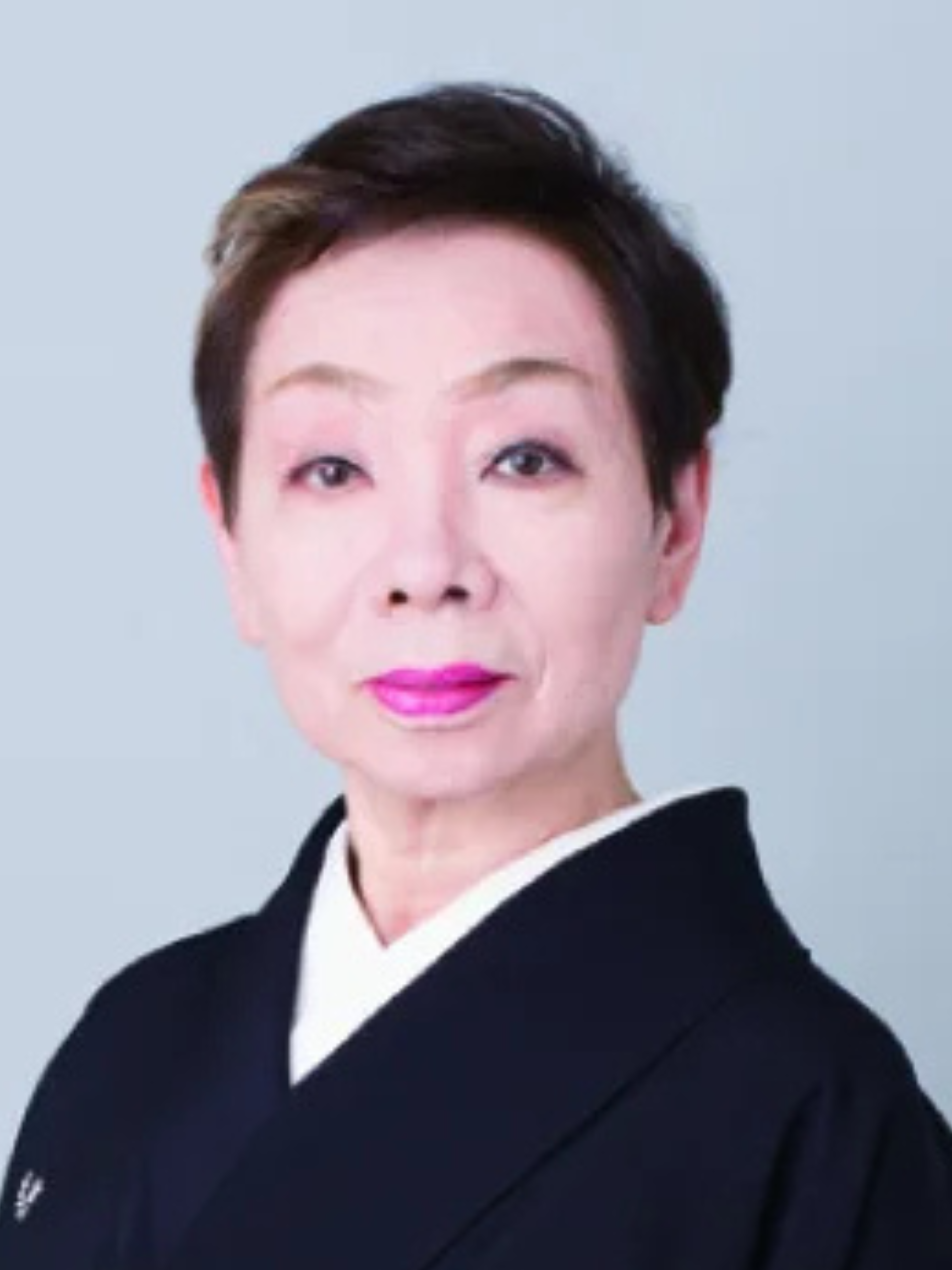
Shizue FujikageFujikage Shizue

She is the third head of the Fujikage School of Japanese dance. After working under the name Fujima Monruri, she succeeded the Fujikage School as third head in 1997. She
became Fujikage Shizue III. In addition to performing and choreographing in performances sponsored by the Japanese Dance Association and the National Theatre,
she also hosts her own recitals. She is also involved in outreach activities such as holding workshops at elementary schools in Ota Ward. Her
major awards include the Commissioner's Award from the Agency for Cultural Affairs, the Agency for Cultural Affairs Arts Festival Award, the Chairman's Award at the New Year's Dance Competition, and the Tokyo Shimbun Dance Arts Award.
She is an advisor to the Jonan Block of the Tokyo Chapter. She is a holder of the comprehensive certification for the Important Intangible Cultural Property "Japanese Dance."

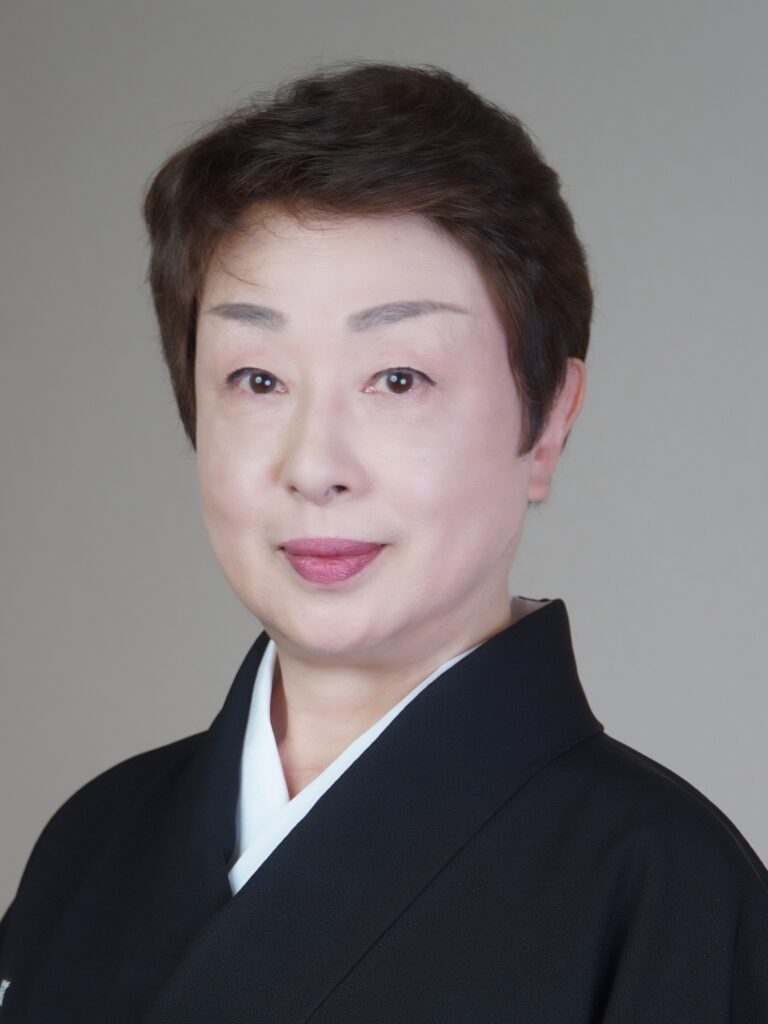
Yuka MizukiMizuki Yuka

Chairman of the Mizuki-ryu Tokyo Mizuki-kai. He has appeared in numerous performances sponsored by the Japanese Dance Association and the National Theater. He
is active in a wide range of fields, including commercial theater, TV commercials, and overseas performances (30 cities in 22 countries), as well as choreography and movement instruction.
His major awards include the Minister of Education's Encouragement Award at the New Year's Dance Competition, the Tokyo Shimbun Dance Arts Award, the Dance Critics Association Award,
and the Tokyo Shimbun Dance Arts Award. He is a director of the Japanese Dance Association and a holder of the comprehensive certification for Important Intangible Cultural Property "Japanese Dance."

Etsuko FujimaFujima Etsuko

He studied under his mother, Fujima Kanjudai, and Fujima Totaro. He also studied under Jiutamai dancer Yoshimura Yukio.
He has appeared in numerous performances both in Japan and overseas, including those sponsored by the Japanese Dance Association and the National Theater, as well as on television.
His major awards include the Excellence Award at the Agency for Cultural Affairs Arts Festival, the Minister of Education's Encouragement Award at the New Year's Dance Competition, the Hanayagi Juo Award Newcomer Award, and the Dance Critics Association Newcomer Award.
He is a director of the Japanese Dance Association and a lecturer at Nihon University College of Art. He is a holder of the comprehensive certification for the Important Intangible Cultural Property "Japanese Dance."

What does Japanese dance practice involve? The
relationship between master and disciple hones the movement and the space between the two.

A glimpse into the charms of Shinnai-bushi, Nagauta, and Japanese dance!
A live report from the Edo Tokyo Traditional Performing Arts Festival pre-event

About this column
plan
  • Sponsored Events
Genre
  • Interview
  • Japanese dance
subject
  • For beginners
word