
performance

Professional Stage Performances and Traditional Performing Arts Workshops: Children's Performing Arts Experience Plaza in Chofu Live Report

Written by Yukiko Sakuraba | Photographed by Kota Sugawara

The Edo Tokyo Traditional Performing Arts Festival allows visitors to experience arts that have been passed down through the ages, including Noh, Kabuki, Japanese dance, traditional Japanese music, gagaku, vaudeville, and folk performing arts. This year, an event for children, the Children's Performing Arts Experience Plaza in Chofu, was held on Sunday, January 18th, at Chofu City Cultural Hall Tadukuri. Participants were able to experience Rakugo, Wazuma (Japanese magic), Kyogen, Shamisen (Kiyomoto), and Japanese dance under the guidance of professionals, as well as a special performance where they could enjoy a digest of five performing arts all at once. We bring you a live report of the experience and viewing!

Experience each of the five performing arts ——

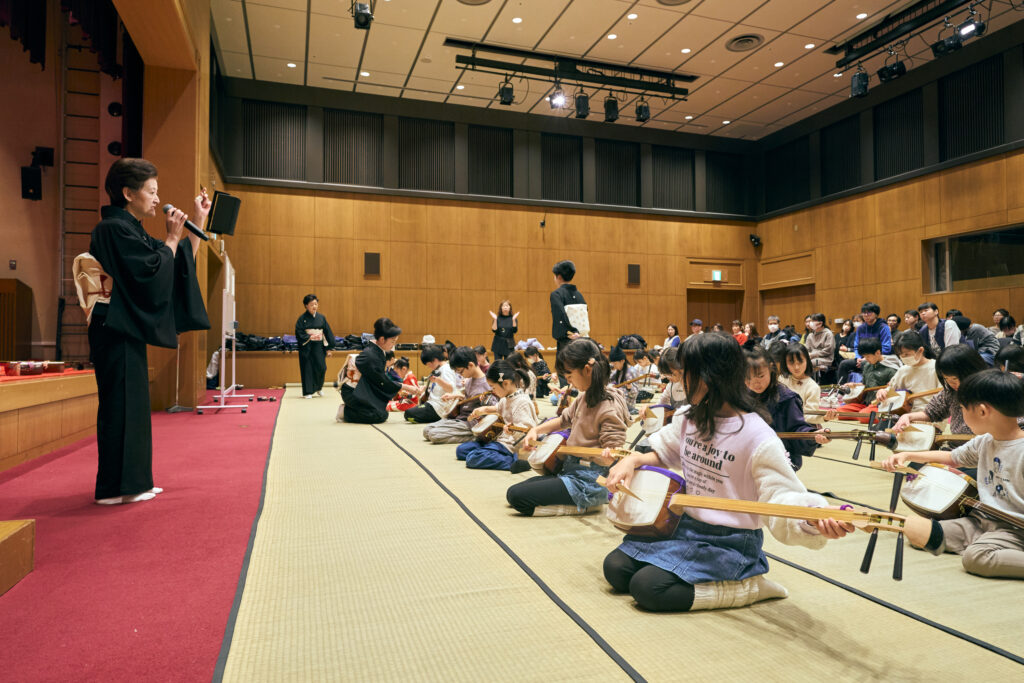
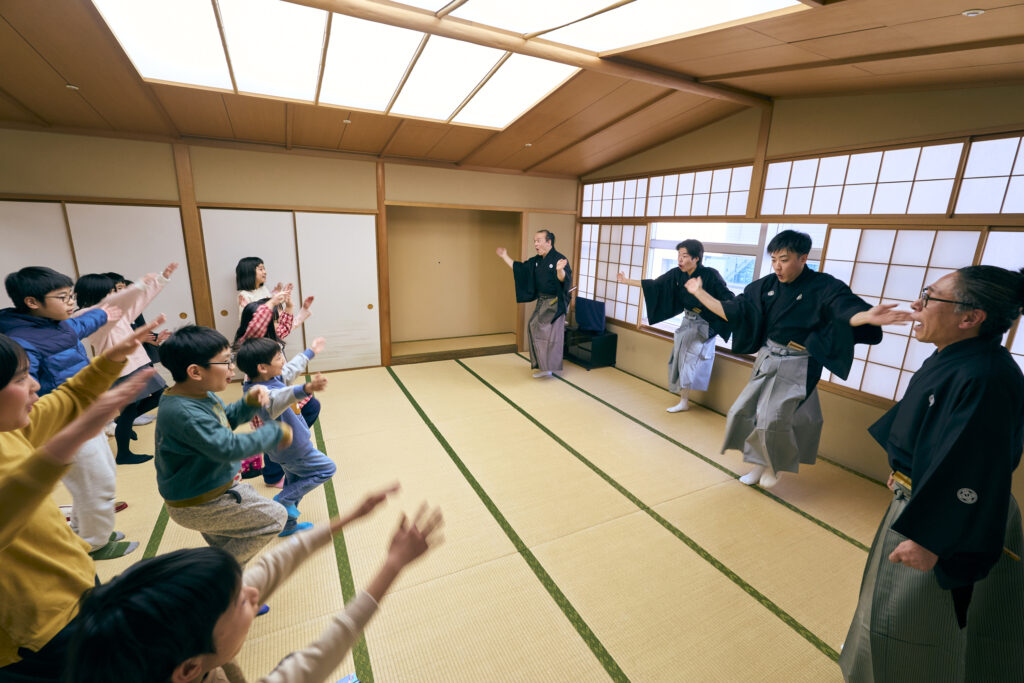
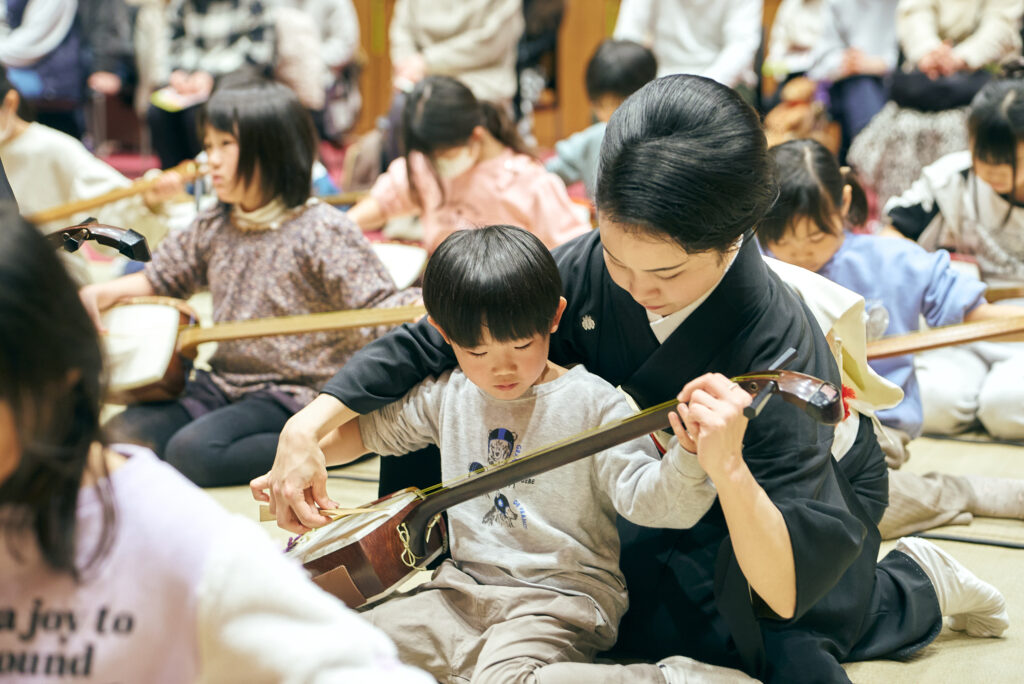
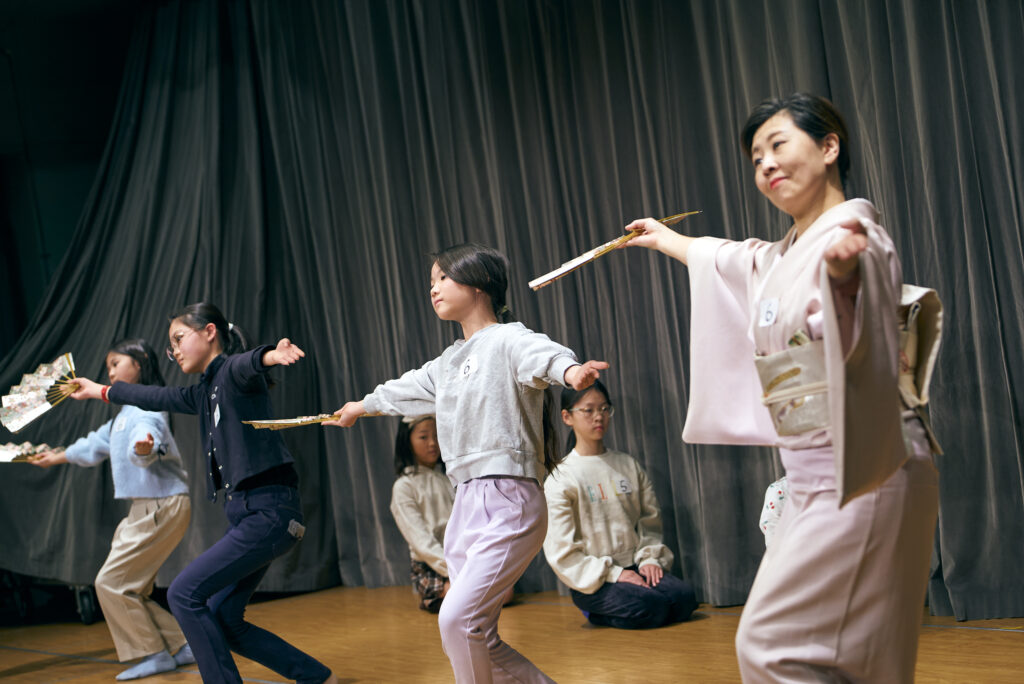
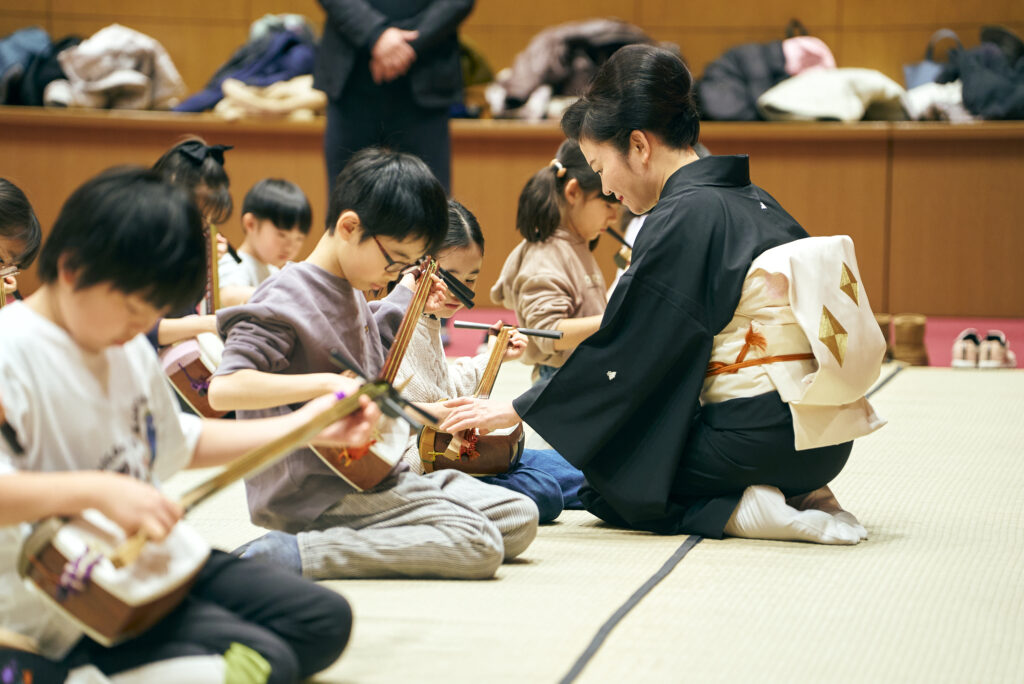
The first half of the event was a workshop where children received instruction from professionals in five genres: Rakugo, Wazuma, Kyogen, Shamisen, and Japanese dance.
At booths for each genre, children learned about the history and basic movements of the performing arts, and then tried them out. Seeing the professionals perform up close, the children were fascinated. They tried their hand at shamisen and dance movements, vocalization, and techniques for the first time. While initially a little nervous, it was impressive to see the children's eyes light up and they became engrossed in the passionate instruction of the leading performers.
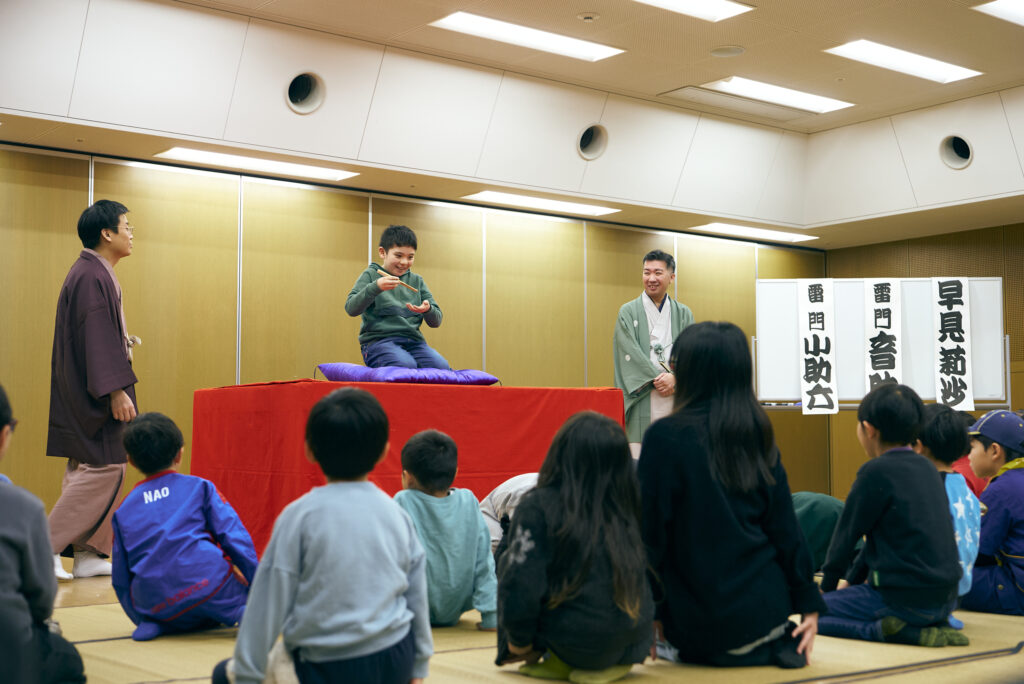
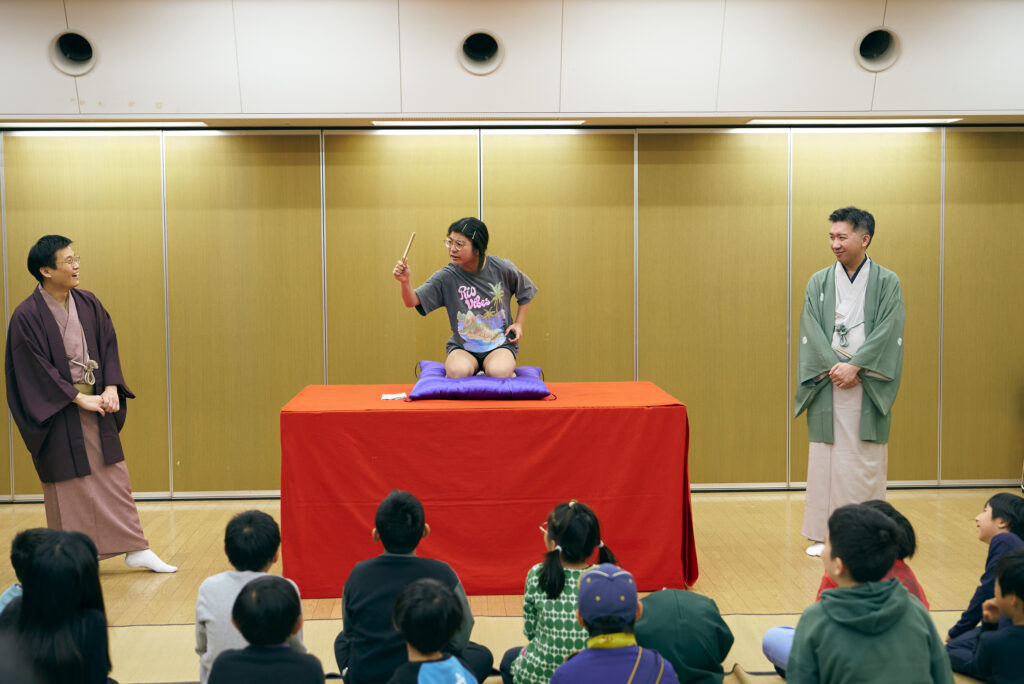
The experience concluded with a group presentation, where the children demonstrated the skills they had learned. At the Rakugo booth, they tried out the movement of "slurping soba noodles" using folding fans as chopsticks. Their spirited "slurp" sound made them look like fully-fledged Rakugo storytellers. Some of the performers even added their own original lines, such as "This soba is hard."
The parents watching over the children gave them a big round of applause for their progress in such a short time.

Traditional performing arts all together!
A luxurious stage performance—

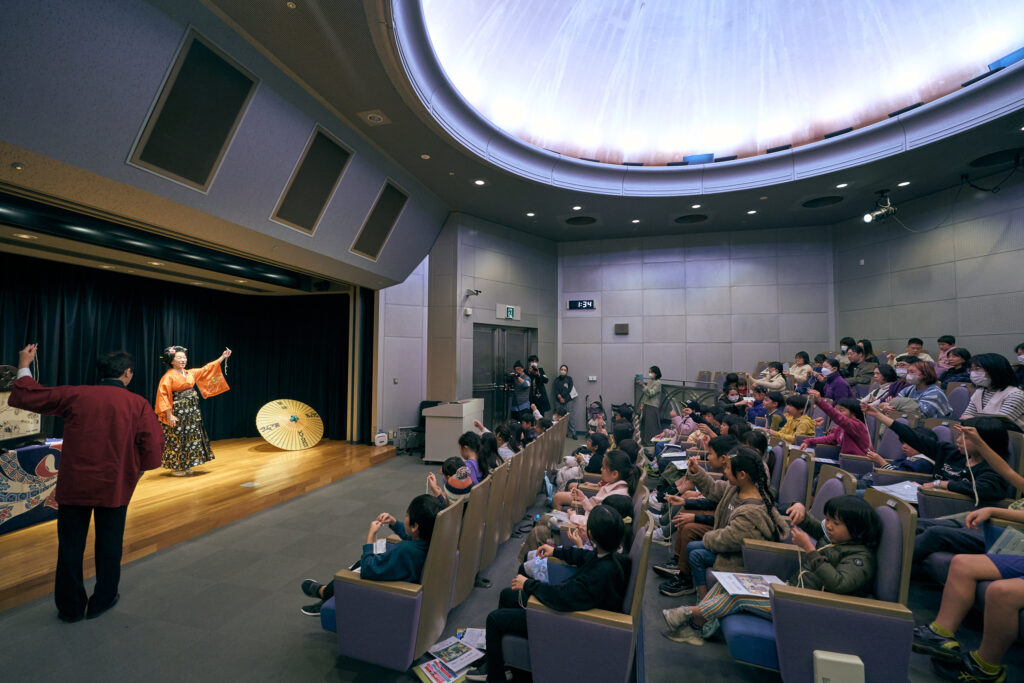
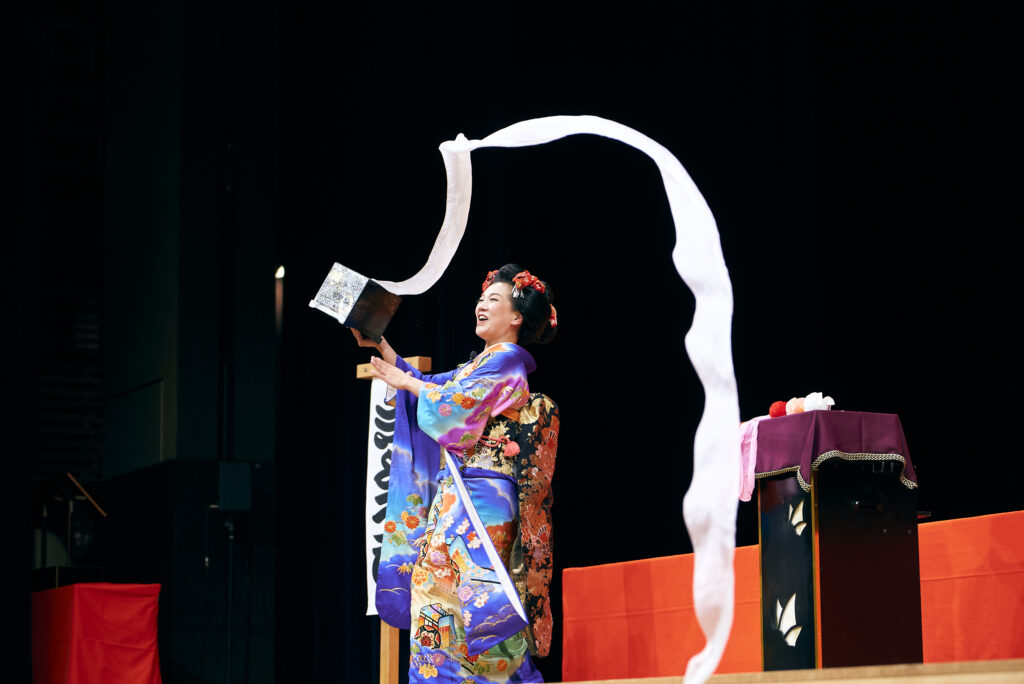
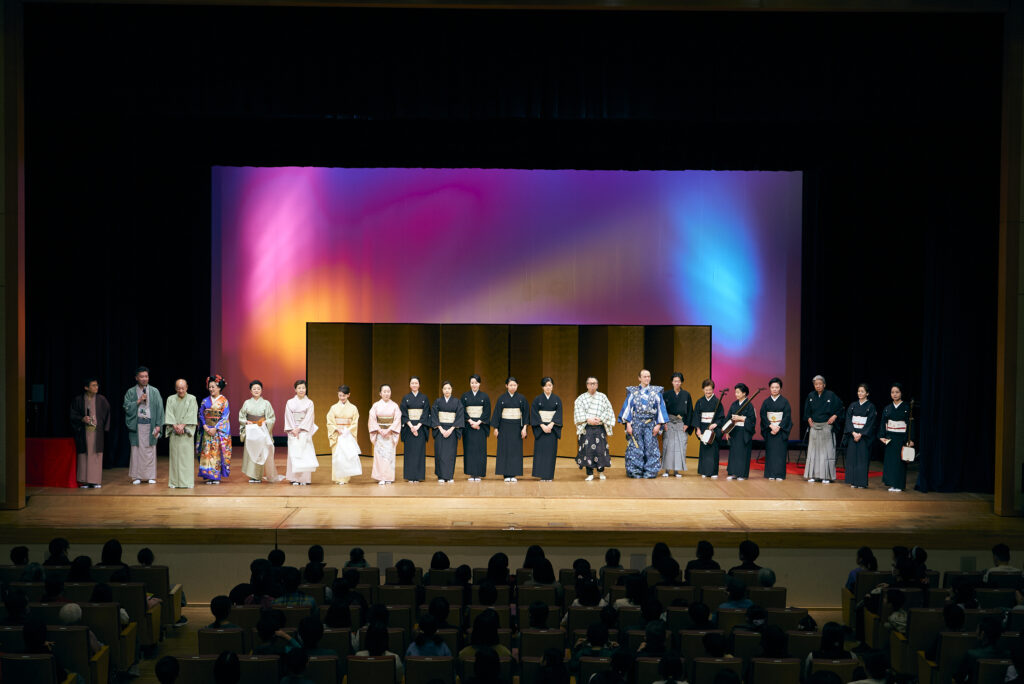
For the second half of the event, the stage shifted to Kusunoki Hall for a special digest-style performance featuring five performing arts. The
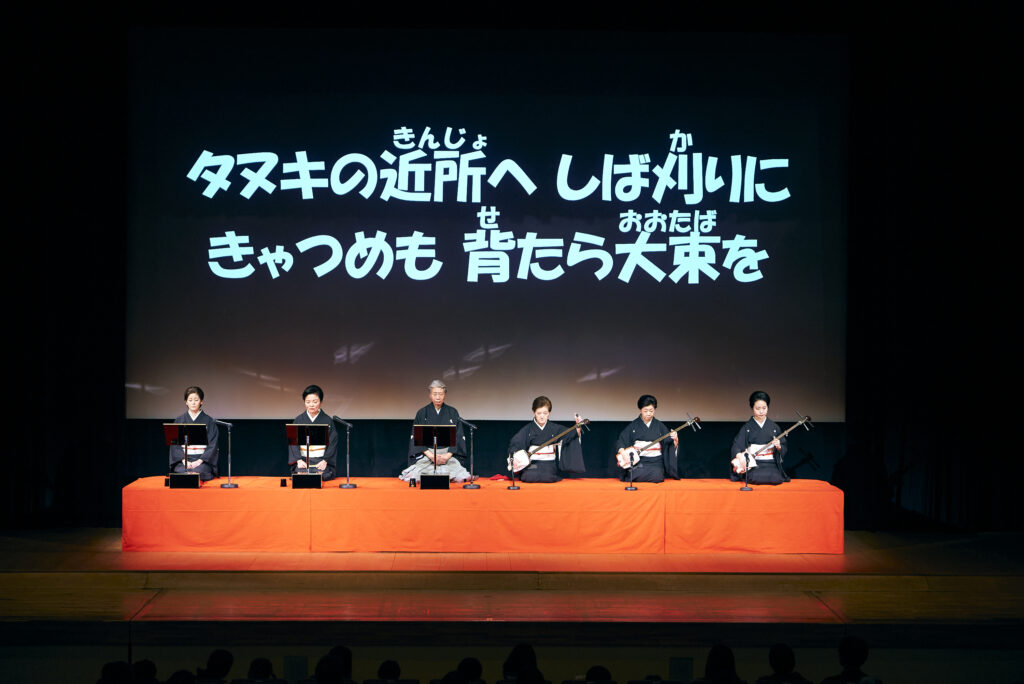
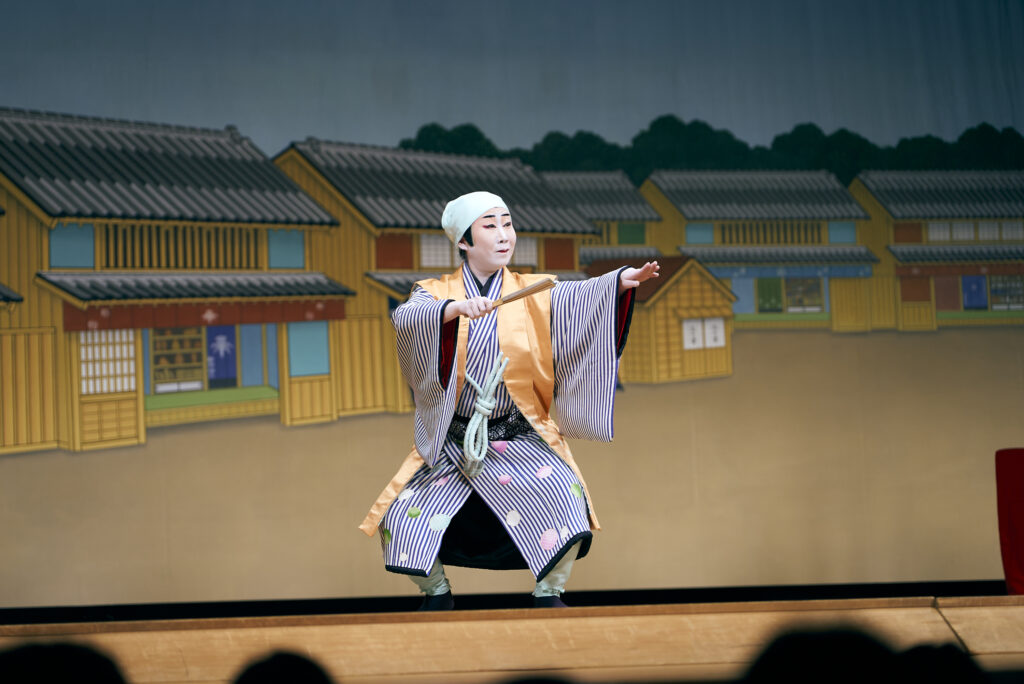
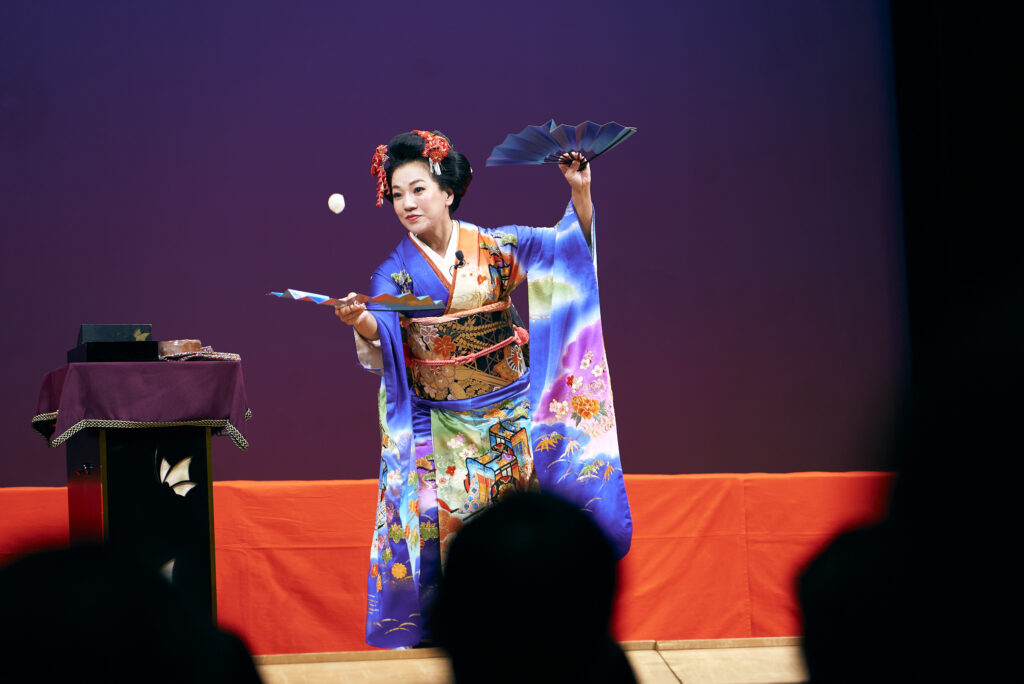
hosts were rakugo storytellers Kaminarimon Kosukeroku and Kaminarimon Otosuke. They entertained the audience with their witty banter and explained the appeal and highlights of each art form in an easy-to-understand manner. The event began with a Japanese magic trick called "Wazuma." Wazuma master Kyoko, dressed in a gorgeous furisode kimono, performed tricks using handkerchiefs and folding fans, accompanied by a speech and music. Long white silk threads fluttered from an empty box with "no tricks or gimmicks" to the call of "Here we go!", drawing thunderous cheers. After the stage was set up, the Kiyomoto Association performed a performance. This is a type of shamisen music developed as an accompaniment to kabuki and Japanese dance. The performance for the day was "Tamausagi," a story based on the legend of the Moon Rabbit and the motif of Kachikachiyama. The performance begins with "Once upon a time, a man was born," and continues with the familiar scene, "Kachi-kachi, kachi-kachi, kachi-kachi, kachi-kachi no yama to iu uchi," sung in a unique melody to the accompaniment of shamisen. The "Japanese dance" performance, accompanied by Kiyomoto music, featured two pieces: "Six Tamagawa" and "Tamuya." The "Six Tamagawa" refers to six famous Tamagawa rivers across Japan mentioned in ancient songs, including Chofu's Tamagawa (Tokyo's Tama River). The performers skillfully manipulated two long pieces of cloth to poetically express the flow of river water and the action of washing cloth in the river. "Tamuya" was a soap bubble shop from the Edo period. They blew bubbles for children as they floated through the city. The dancers, dancing to the shamisen and song "Come on in, see, blow, come to the famous Tamaya," evoked the elegance of Edo.

Finale with two comedy acts ——

After a break, the play finally reached its climax.
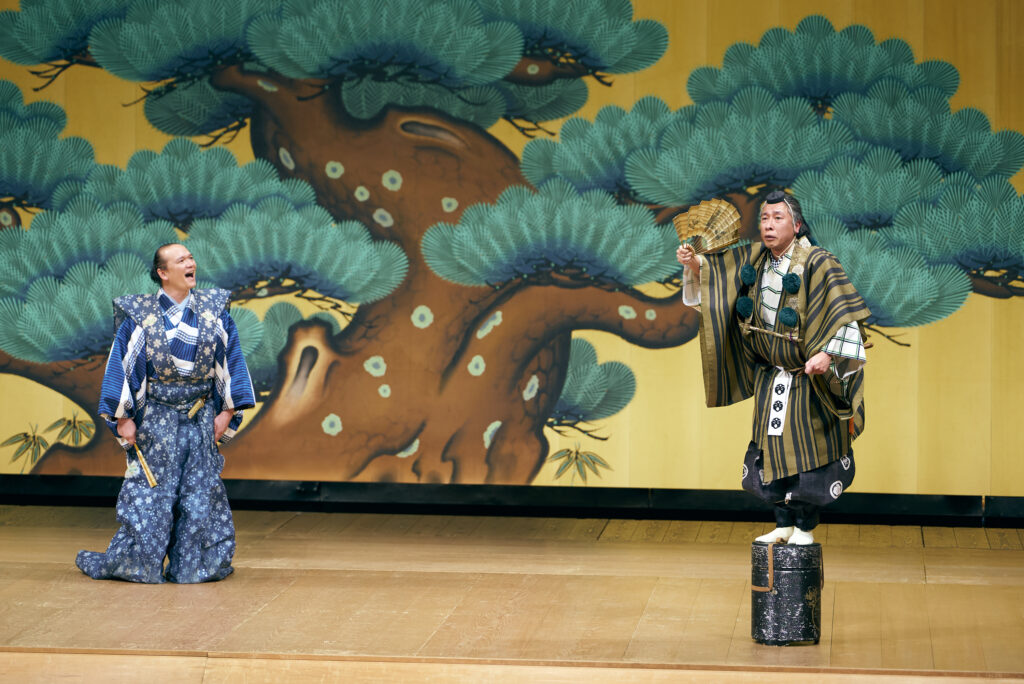
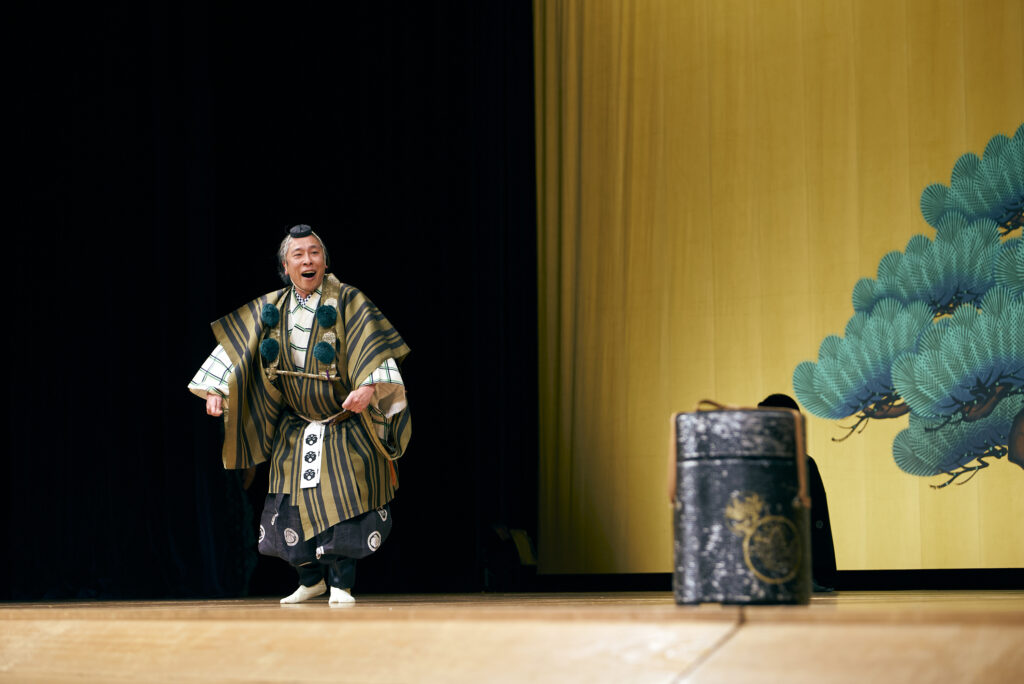
The Kyogen piece was "Kaki Yamabushi," a story about a Yamabushi who steals a persimmon and is punished.
The dialogue between the shite (main character: Yamabushi) and ado (opponent: Farmer), as well as the imitations of crows and kites, as well as expressions of surprise and laughter, all of which were characteristic of Kyogen, drew laughter from all over the audience.
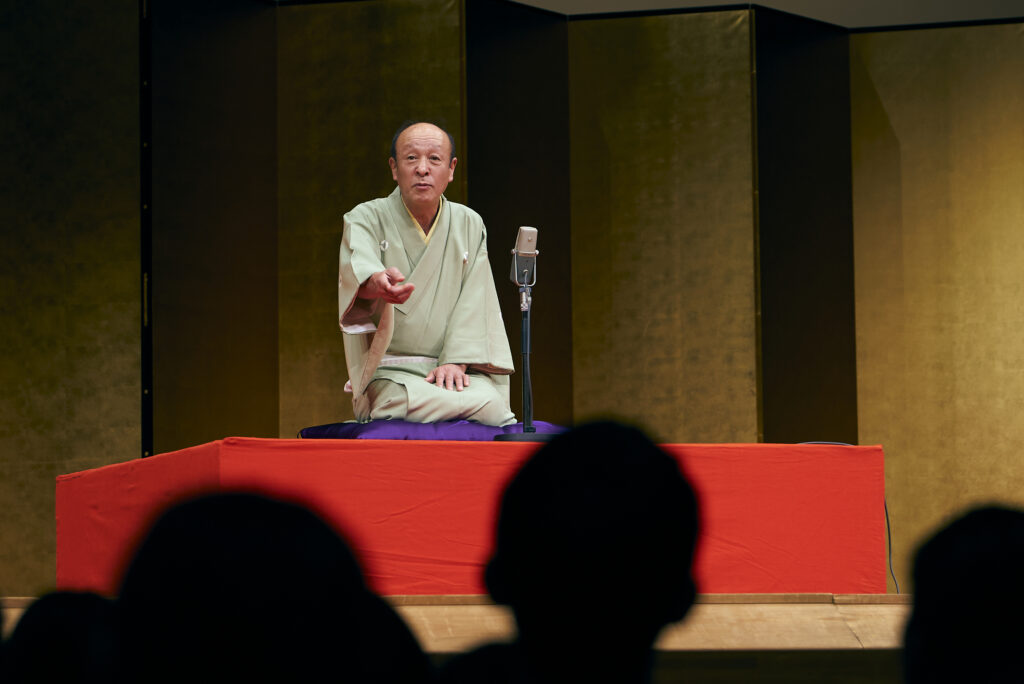
Thanks to the easy-to-understand content and the fact that the children were already immersed in the laughter of Kyogen, even without subtitles, the children were able to fully enjoy the story. The finale was performed by master San'yutei Yukichi. The piece was a rakugo piece called "Ushi-Home," a parrot-like performance in which Yotarou, learning how to praise his family from his father, repeatedly delivers nonsensical replies.
Using only a folding fan and a hand towel as props, the children were captivated by the fast-paced storytelling.
The punchline, "Put a charm from Akihabara inside, the hole will be hidden so be careful of farts," brought the audience into a frenzy of laughter as the show came to a close. The children's initial nervous expressions soon gave way to excited curiosity, and by the time they left, they were beaming with excitement and exclaiming, "That was fun!" and "That was amazing!" It seems that by experiencing and appreciating this, the beauty and joy of traditional Japanese performing arts had been firmly imprinted in their minds!

A look into the world of traditional performing arts!
Information on noteworthy performances this spring ——

The Edo Tokyo Traditional Performing Arts Festival offers a colorful program that can be enjoyed by children and adults alike, from full-scale stage performances to introductory programs.
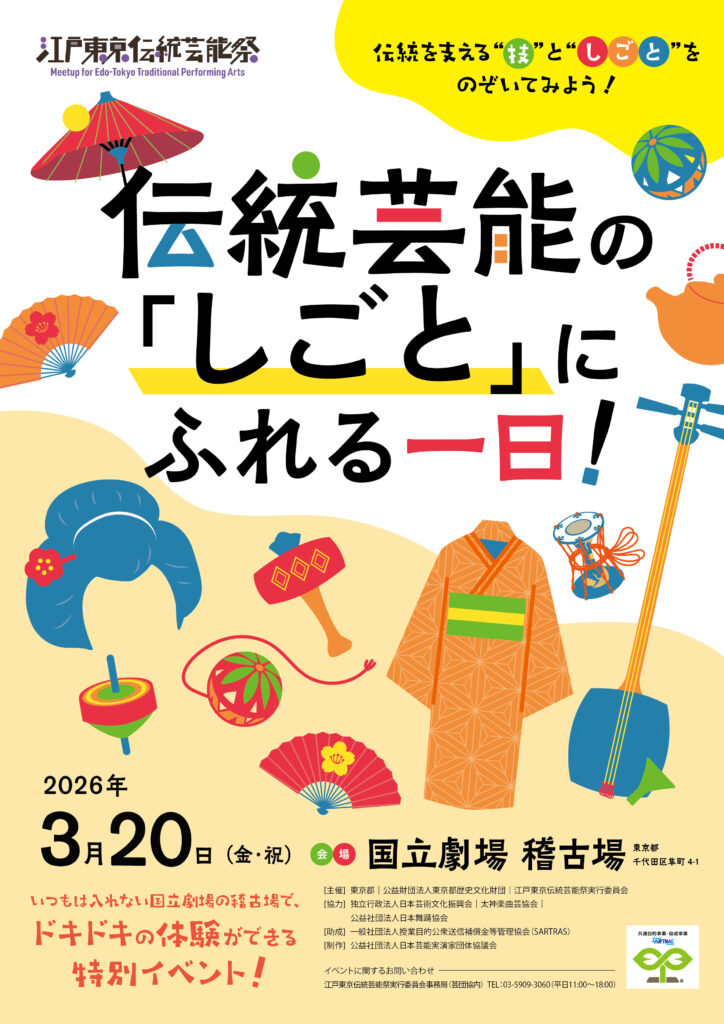
In particular, on March 20, 2026, a "One Day to Experience the Work of Traditional Performing Arts!" event will be held in the normally closed rehearsal room of the National Theater.
In addition to experiencing Daikagura and watching Nihon Buyo (traditional Japanese dance) up close, this special program will allow you to experience the various "work" that supports Nihon Buyo, such as makeup demonstrations, costume dressing, and wig wearing. Be sure to check it out!

A day to experience the work of traditional performing arts!

The event will be held at the National Theatre Rehearsal Hall on Friday, March 20, 2026 (national holiday).
In addition to watching traditional Japanese dance and trying your hand at Daikagura,
you can also enjoy an introduction to the "jobs" and tools that support traditional Japanese dance, as well as a shamisen experience.
This is a day where you can experience both traditional performing arts and behind the scenes!

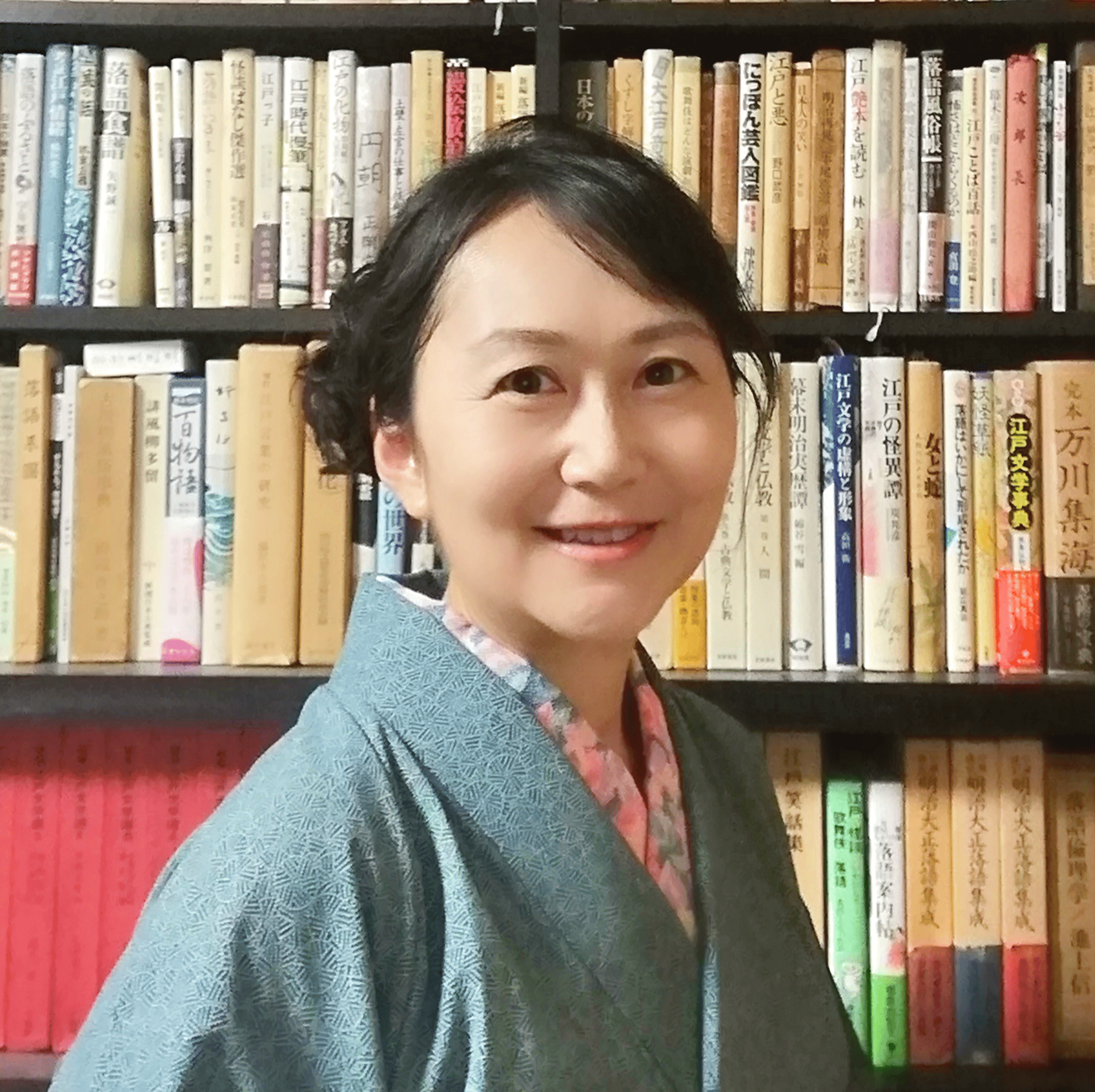
Yukiko Sakuraba

A Hokkaido-born author and writer,
he writes general books, novels, and columns explaining traditional performing arts, including rakugo, Edo culture, and Edo supernatural phenomena.
His recent works include "How Edo Ghost Stories Became Masterpieces of Kabuki and Rakugo," "How Rakugo Shorthand Changed Literature," "
An Encyclopedia of Classic Entertainment Plots," and "I Tried Working Part-Time in Edo."

About this column
plan
  • Sponsored Events
Genre
  • Live Report
  • Noh
  • Japanese dance
  • Japanese music
  • Variety show
  • Behind the scenes of traditional performing arts
subject
  • For beginners
  • Fun for parents and children
performance