About the Edo-Tokyo Traditional Performing Arts Festival
ABOUT US
The Edo Tokyo Traditional Performing Arts Festival, which will begin in 2025, will inherit the Tokyo Metropolitan Arts Festival, which has been popular for over half a century, and will be reborn as a festival specializing in traditional Japanese performing arts such as Noh theater, Japanese dance, traditional Japanese music, vaudeville performances, and folk performing arts.From full-scale stage performances to easy-to-participate, hands-on workshops, it will be enjoyable for a wide range of generations, from children to adults.
Inquiries about the Edo Tokyo Traditional Performing Arts Festival
Edo Tokyo Traditional Performing Arts Festival Executive Committee Secretariat
This moment of art is truly a precious experience.
In this single chant, I feel as if I can hear the ancient principles.
See, art reflects a person's soul.
I'd love to be a comedian as cool as that someday.
I wonder what kind of beautiful world tonight's dance will show us.
The time spent performing arts is an irreplaceable luxury.
This moment of art is truly a precious experience.
In this single chant, I feel as if I can hear the ancient principles.
See, art reflects a person's soul.
I'd love to be a comedian as cool as that someday.
I wonder what kind of beautiful world tonight's dance will show us.
The time spent performing arts is an irreplaceable luxury.
2026.03.02
Sponsored Events
word
Interview with musician Katada Kiyoshi and Gidayu performer Takemoto Kyonosuke! The traditional sounds and charm of traditional Japanese music delivered through a traditional Japanese music concert
Interviewer/Editor: Watanabe Yoko | Photography: Doi Masanori
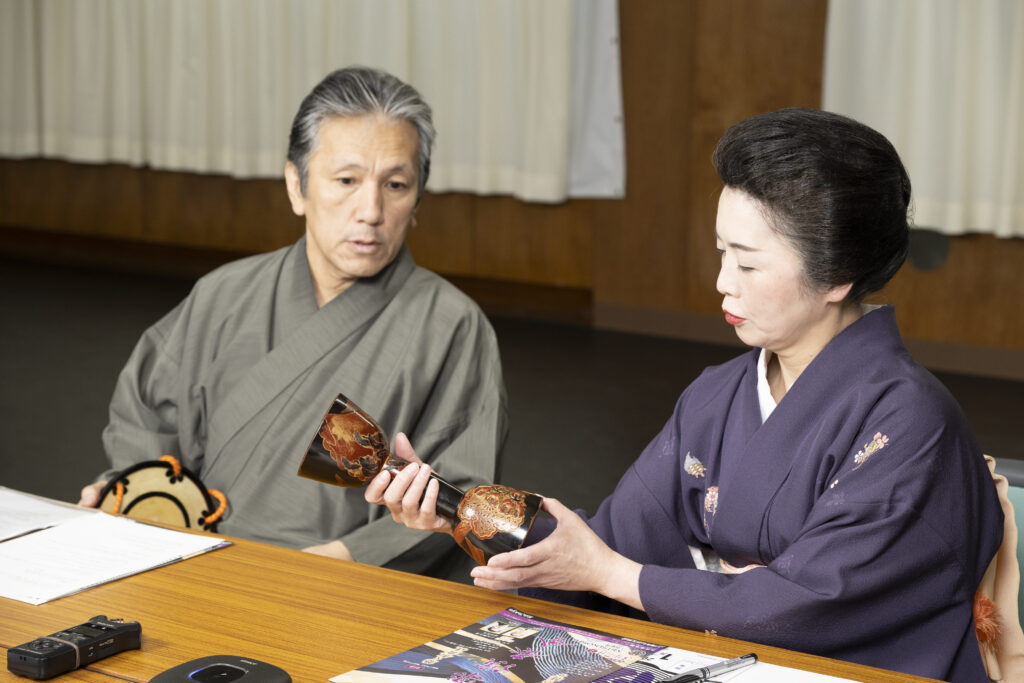
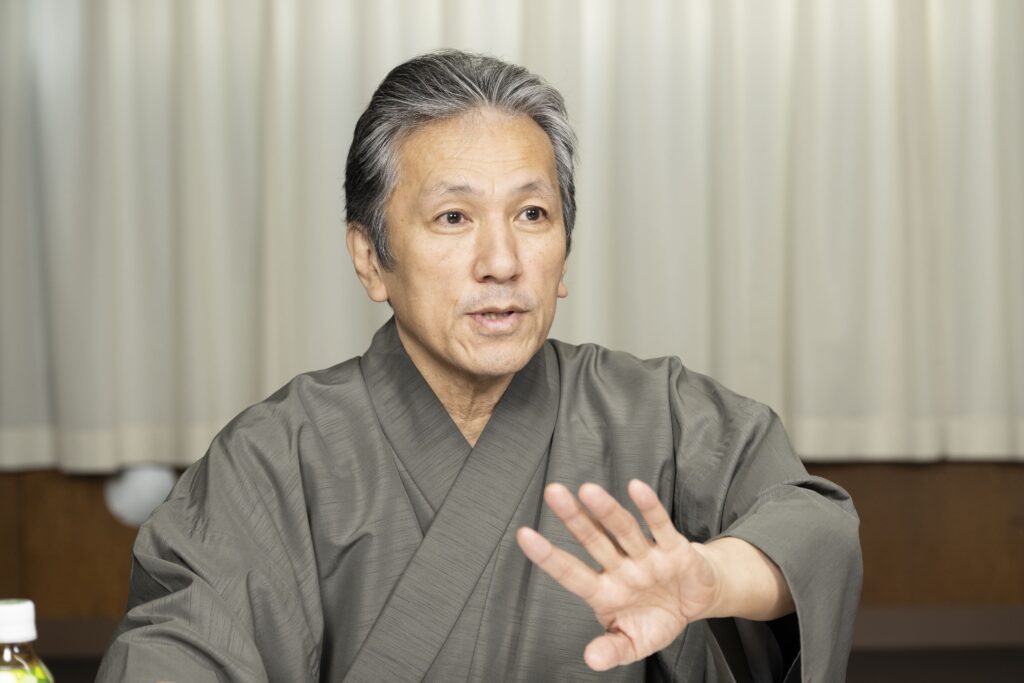
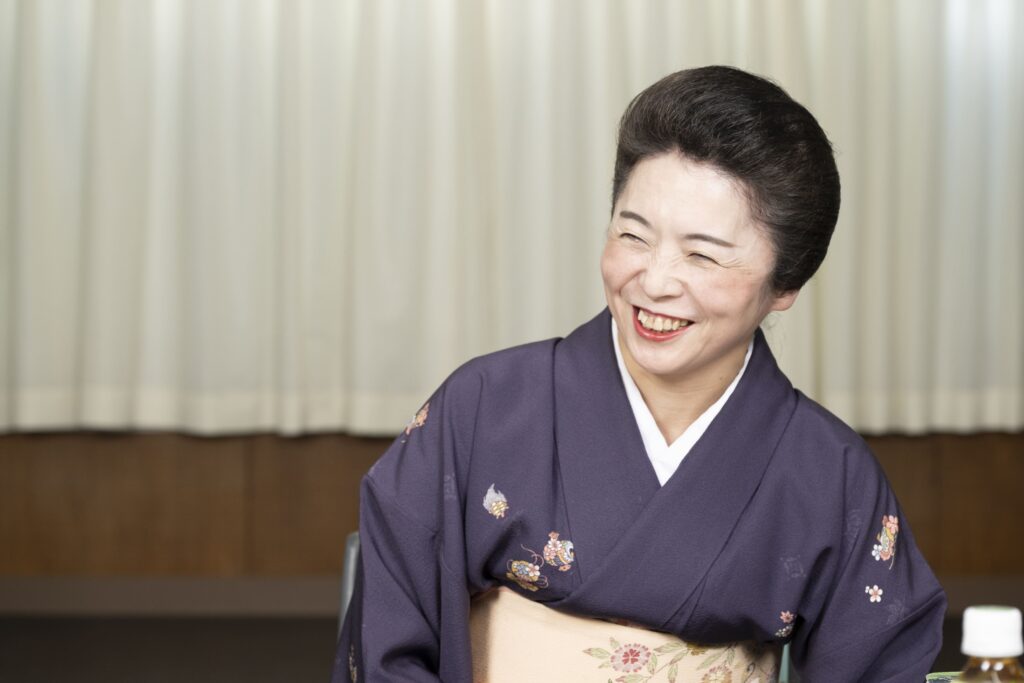
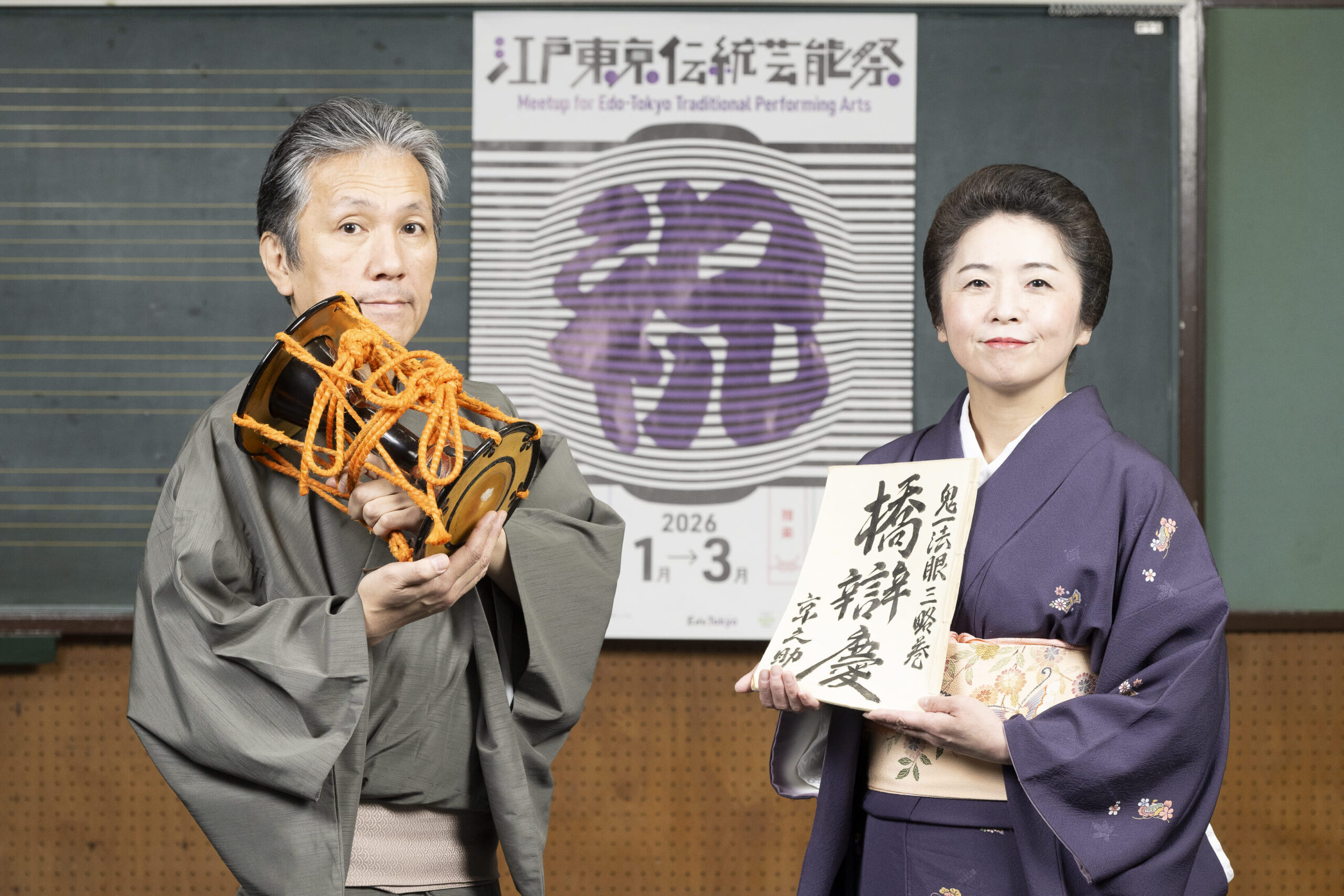
From the right: Hayashi musician Katada Kiyoshi and Tayu (court conductor) Takemoto Kyonosuke
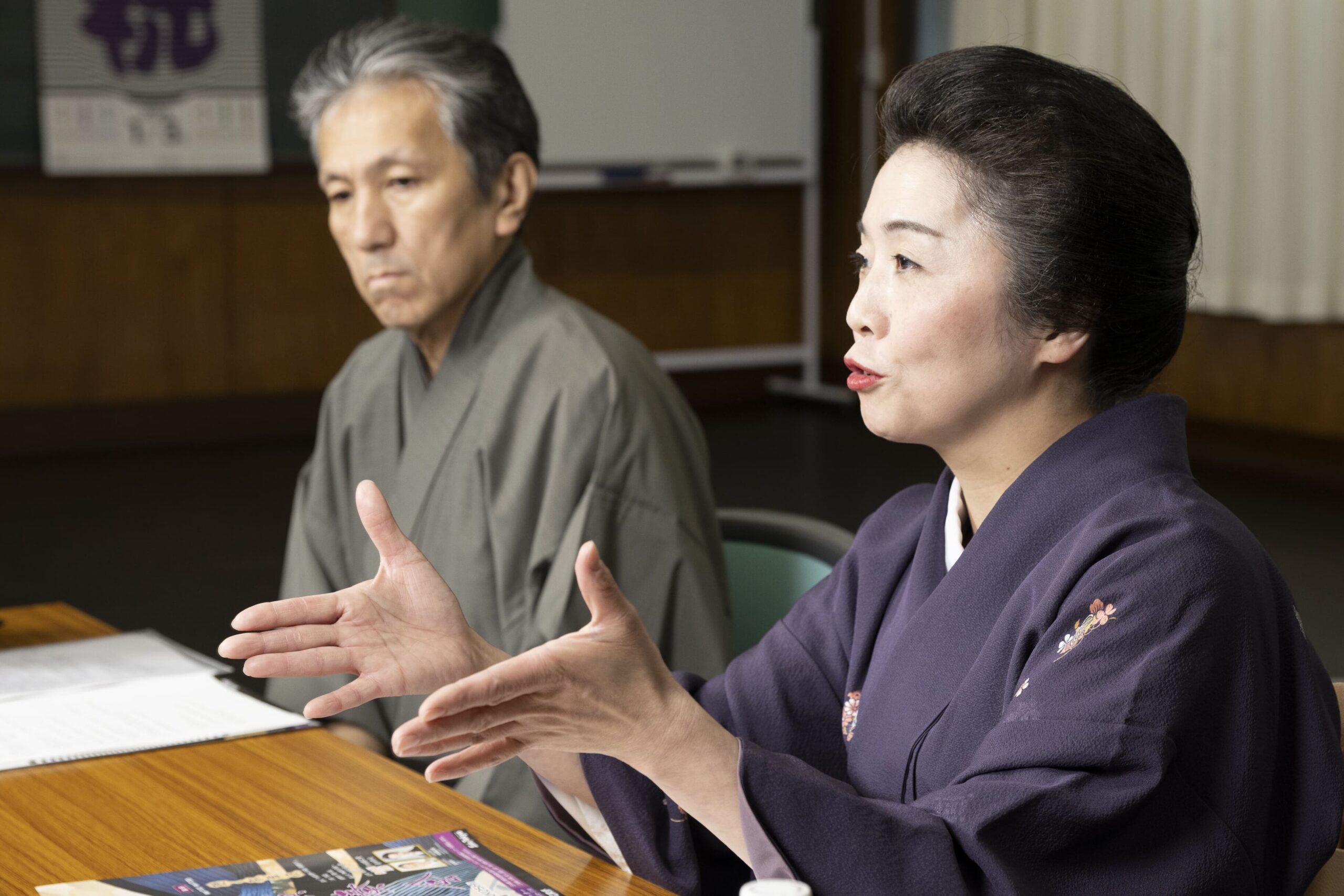
The 55th Japanese Music Concert connects the traditional sounds that have continued since the Edo period to the present day. We spoke to musician Katada Kiyoshi and Gidayu tayu, who will be appearing in this performance, about the appeal of their profession. They discuss the joy of the musicians, who synchronize their breathing without a conductor, and the profound depth of Gidayu, which resonates with the shamisen to tell a story. These two performers, both active at the forefront of Japanese music, share their own experiences and talk about the appeal of Japanese music. We also introduce the highlights of the classics "Kanjincho" and "Gojobashi"!
Gidayu tells the story with the shamisen andthe musicians who bring the stage together through their breathing .
-- First, I'd like to ask Mr. Katada to introduce the musicians and Mr. Kyonosuke to introduce the gidayu performers
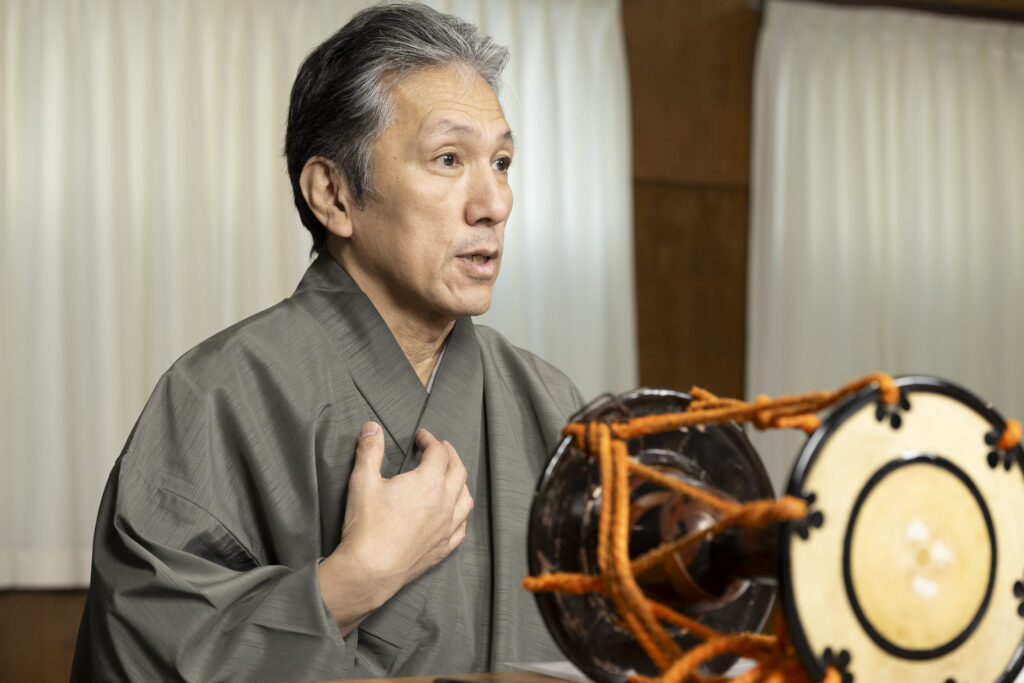
Katsuta Kiyoshi (hereafter,Kiyoshi): Hayashikata are shamisen musicians, professionals whose roots lie in the traditions of Noh and developed alongside Kabuki. We bring color to the stage with a core of four beats (shibyoshi) consisting of the flute, small drum, large drum, and taiko drum. Our greatest feature is our ensemble format, in which we connect the sounds of each moment with the help of each other's shouts and breathing. The drum, in particular, is an extremely delicate instrument, sensitive to humidity, whose tone can be freely altered depending on the strength of the grip, with leather stretched around the body and fastened with a string. Our role is not simply to keep rhythm. We pursue "sound subtraction," deliberately withdrawing sounds to enhance the vocals and shamisen, and I believe the true skill of a hayashikata lies in shaping the rhythm of the music within the overall flow.
Takemoto Kyonosuke (hereafter,Kyonosuke): Gidayu is the music of puppet theater established by Osaka's Takemoto Gidayu in the early Edo period. It is a representative example of "narration" performed by the narrator and the rich sound of the thick-necked shamisen, and is particularly dynamic and powerful among Japanese music. It is the ultimate form of theatre, in which a single narrator narrates each character in a voice that comes from the depths of their heart, portraying even their way of life and breathing. While the narrator's power is striking, the narrator's individuality is revealed in how they express the delicate emotional turmoil that lies beneath. The emotions of joy, anger, sorrow, and happiness contained within the story resonate with us, even in the modern age.
Following in the footsteps of masters: From theater to Gidayu
--Please tell us how you both came to become musicians and tayu (a narrator) of Gidayubushi
Kyonosuke : I originally worked as a stage actor, but I struggled with my voice getting hoarse easily, so I searched for a vocal technique that wouldn't strain my throat. During that process, I happened to see a Bunraku performance and was struck by the overwhelming vocal volume and endurance of the tayu, who could continue narrating for long periods of time without losing their voice. Furthermore, through a connection, I was able to hear my current master narrate from up close, and was deeply moved by the sheer scale and power of When I actually tried it, I found that Gidayu is truly the "ultimate form of theater." While actresses typically play roles appropriate to their age, Gidayu allows you to freely express anyone, from young to old, with just your voice. I sense great potential and fascination in a world where you can bring a character's life to life with just your voice.
Kiyoshi : My father, the Living National Treasure and third-generation Katada Kiyoshi, never directly asked me to take over the business. For that reason, I had no intention of becoming a hayashi musician at first, but I think that the fact that he never said anything to me actually made me feel that this was the path I wanted to take. After graduating from university, I got a job, but at an early stage I found myself in the same world as my father. That said, I have almost no memories of receiving detailed instruction from him. I learned the basics with the general public at the culture center (?!) where my father taught, and then I learned by watching and listening to the performances of my seniors at live performances.
- What is your daily life like as performers of traditional Japanese music?
Kiyoshi : On days when there are daytime performances, I start in the morning choosing the instruments to use for that day's program and arrive at the venue an hour before the show starts. On busy days, I perform around 15 times, returning home around 8pm and going to bed around 3am.
Kyonosuke : Gidayu has many pieces and each piece is long, so I practice repeatedly with the shamisen player for each piece and spend the day moving between rehearsal studios. In between, I organize the content of the next piece and spend time practicing my voice at home. On performance days, I get ready in the morning, and after the show, I often have dinner with the performers and supporters before going home.
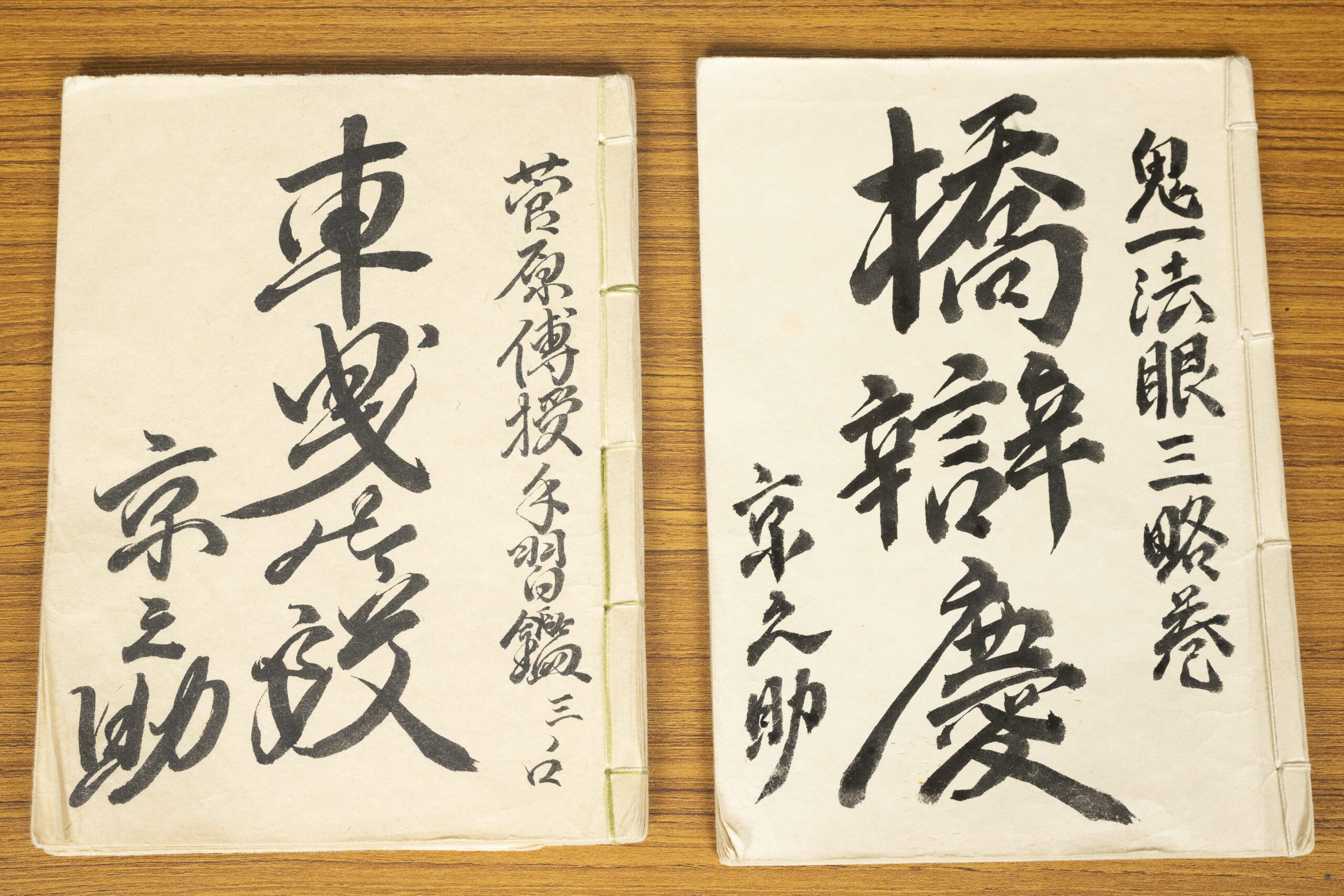
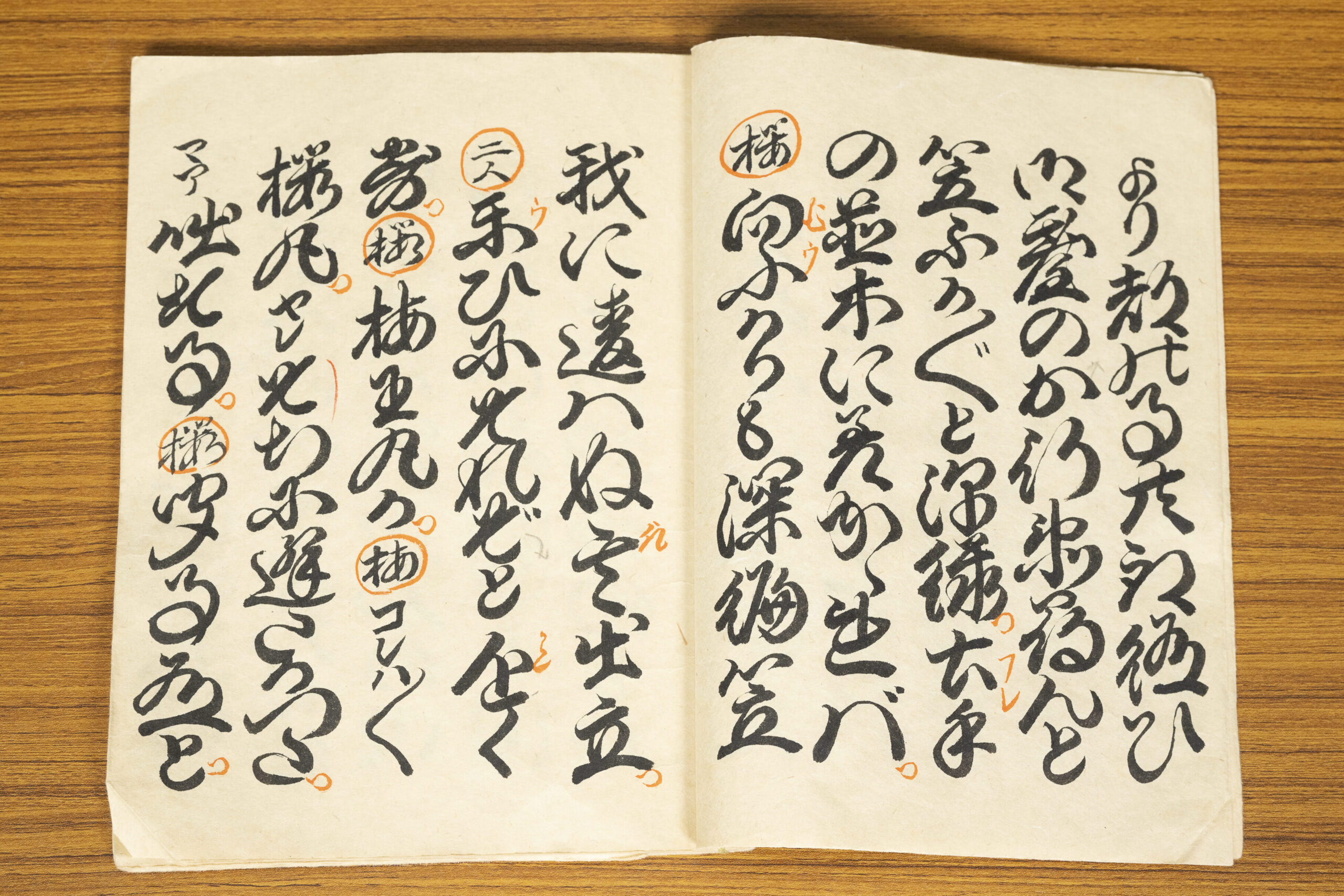
A Gidayu script that looks difficult to memorize..
The shamisen's instantly-determined sound and the tension of souls colliding ...
--Please tell us about the rewards, fun, and challenges of your job
Kiyoshi: The rewarding part is the one-shot moment that is unique to ohayashi. It's incredibly exciting when the breath of the shamisen, the movements of the dancers, and the contact between the ohayashi musicians all come together perfectly. Because there is no conductor, the tension and the ability to react quickly to read the mood and sometimes take the lead in leading the flow are also appealing. This ability to react quickly is honed through repeated on-site performances, and I feel that the unique joy of this job, including the challenges that come with different conditions for each performance, is what makes it so enjoyable.
Kyonosuke : Sometimes a problem you've been pondering for a long time suddenly solves itself. The joy of that moment when something you thought "maybe it's like this" finally makes sense is exceptional. Gidayuu requires a different narrative style and use of breath for each piece, and it takes time to master. However, while working on a different piece, you may find that an old question has been answered, or even the same piece may yield new discoveries years later. Fun and difficulty always go hand in hand, but the rewarding part of this path is that the time you've accumulated will bear fruit in unexpected ways.
-- What is the appeal of Japanese music to you two?。
Kiyoshi: One of the great charms of Japanese music is that the music comes together naturally even without a conductor. It could be said to be the ultimate form of the Japanese "culture of intuition." In Nagauta, the shamisen is the conductor, and in Ohayashi, the tatetsuzumi is the drummer, and the musicians build the sound by sending signals to each other in all directions. The moment when they can read the atmosphere without exchanging words and the sounds come together as one, you can feel the spirituality that is unique to the Japanese.
Kyonosuke : When I sit face to face with a shamisen player, there's an intense moment where I can sense the other person's hesitation and even their passion, and I feel that this sense of tension is the very charm of Japanese music. Also, because there is no iemoto system in Gidayu, I can work with a variety of shamisen players across schools. I also like the freedom that comes with each encounter, where new expressions are born.
The entrance is to "try it first" - once you know it the depth of the classics will expand .
-- Please tell us if there are any ways that people who are not familiar with Japanese music can enjoy it
Kyonosuke : I recommend that you first try it. Once you experience it, you'll realize how challenging and fascinating it is. Beginners who come to lessons initially think they'll just "make noise," but when they actually try it, they're amazed at how little they can produce. The difficulty of playing the instrument is what makes it so interesting, especially when they begin to understand how difficult it is. For this reason, I hope there will be more opportunities for casual practice, such as workshops and trial classes. If you play a Japanese instrument even once as a child, you'll be able to easily participate in festivals and other events as an adult, and you'll enjoy it for the rest of your life. Also, while classical stories often have complex settings, knowing the plot and characters beforehand makes the performance much easier to understand. While recent efforts to make performances easier for beginners, such as adding commentary, can often distract you from the performance if you're constantly staring at the lyrics at hand. By learning this information beforehand, you'll naturally hear more words and enjoy the performance more deeply.
Kiyoshi: In today's world, hobbies are becoming more diverse, so it's not surprising that it's difficult to increase the number of people who are familiar with Japanese music. Even at the junior college where I serve as a visiting lecturer, there are quite a few students who show no interest in Japanese music, and I find that disappointing. However, it is a shame to turn a blind eye to one's own country's culture. Even knowing just one principle of ohayashi music can give you the power to create unique expressions. It may be difficult for the younger generation to get into, but once you get hooked, the depth of its appeal is immeasurable. I hope that as many people as possible will realize that such fascinating material is right there in our daily lives.
The 55th Japanese Music Concert , where you can enjoy legendary masterpieces all at once
-- At the 55th Japanese Music Concert, Kyonosuke will be performing "Kiichi Hogen Sanryaku no Maki Gojobashi no Dan" in the first part, and Katada will be performing "Kanjincho" in the second part. Please tell us about each piece and what we should listen for
Kyonosuke : "Oniichi Hōgen Sanryakumaki" is a puppet theater piece that premiered in 1731 at the Takemotoza Theater in Osaka. The "Gojōbashi" performance we'll be presenting this time is an exhilarating scene in which a young Minamoto no Yoshitsune, Ushiwakamaru, encounters the unparalleled strength of Benkei. The slender Ushiwakamaru nimbly evades the overwhelmingly powerful Benkei, who finally admits defeat and graciously asks to become his disciple. This is a story that has long been beloved by Japanese people. Gidayū does not simply create different characters through voice alone; rather, the character's nature and breathing are expressed by "changing their belly." Even with the character of Benkei alone, the portrayal of the character varies greatly depending on the narrator. I hope you'll listen to the spirit that comes from within.
Kiyoshi: "Kanjincho," based on the Noh play "Ataka," is a masterpiece of Kabuki dance that premiered in 1840. It tells the tense story of Minamoto no Yoshitsune and his entourage disguised as mountain ascetics attempting to cross the Ataka Barrier, but it also stands out for its skillful musical composition. The elegant Nagauta and ohayashi melodies blend together, creating a climax that could be described as one of the most refined forms of Kabuki music, particularly from the "Ennen no Mai" dance in the latter half to the final act. While more complex pieces are sometimes chosen for concerts, this time we have chosen pieces that are truly "for the enjoyment" of the audience, with the audience in mind. Beginning with a solemn solo accompaniment, the piece ends with a galloping performance accompanied by the "partner." Its dynamic energy, which doesn't feel like it's over 20 minutes long, makes it a true hit in the Japanese music world. Experience the pure power of music that transcends the storyline.
-- Please tell us your thoughts on the Japanese traditional music concert. Also, please give us a message regarding the 55th Japanese traditional music concert
Kiyoshi: I hope that the Japanese music concert will be a place where everyone can encounter pieces that condense the charm of classical music. "Kanjincho" is a piece with an outstanding musical composition, so much so that it makes me wish people in the past had composed more masterpieces like this. I will perform this masterpiece with all my heart, so I hope you will come and see it at the venue.
Kyonosuke : This concert is a memorable venue for me, as I attended many times during my early days helping my teacher, so I am deeply moved to be able to perform there. The real joy of this concert is being able to discover the individuality of each genre and feel the differences in expression between the performers. Please come and experience the diverse charms of Japanese music, including Gidayu-bushi, at the venue. Japanese music is the ultimate entertainment!
The 55th Japanese Music Concert
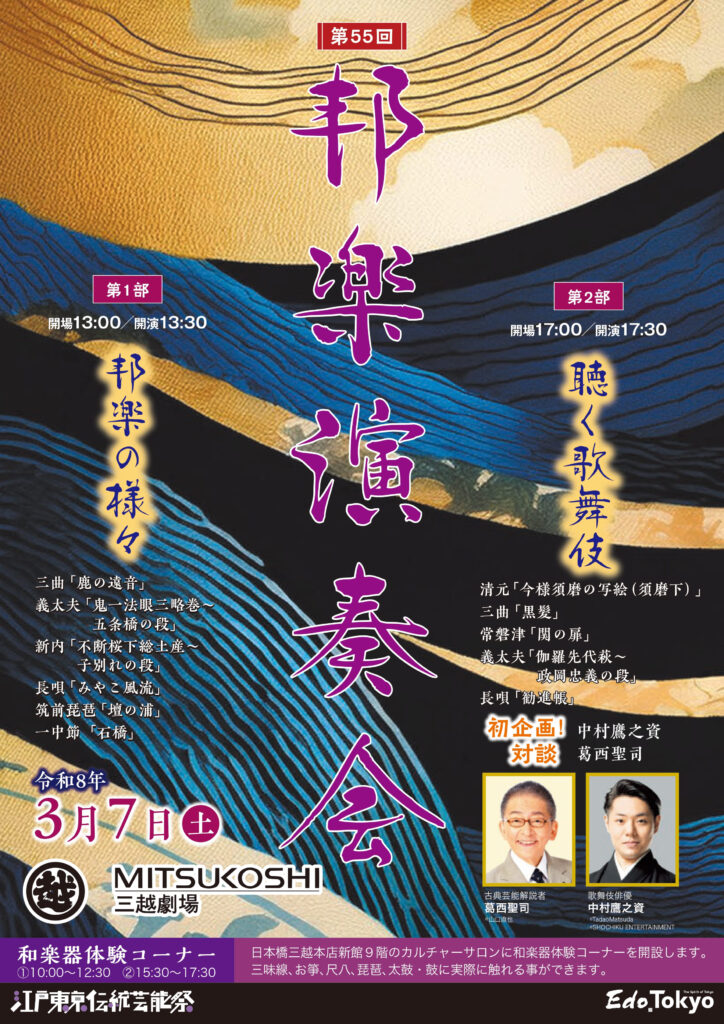
This special program will be held at Mitsukoshi Theater on Saturday, March 7, 2026! the unique sounds of Nagauta, Kiyomoto, Shinnai, Sankyoku, and Gidayu, all gathered together in one place, allowing you to fully appreciate the charms of traditional Japanese music. Part 1, titled "Various Japanese Music," will feature performances of six genres: Shakuhachi, Gidayu, Shinnai, Nagauta, Biwa, and Itchu-bushi. Part 2, titled "Listening to Kabuki," will feature performances of five Kabuki plays. As a special feature, we will also feature a conversation between classical performing arts commentator Seiji Kasai and kabuki actor Takanosuke Nakamura. Enjoy not only the diverse sounds and culture of traditional Japanese music, but also the opportunity to delve into its profound depths.
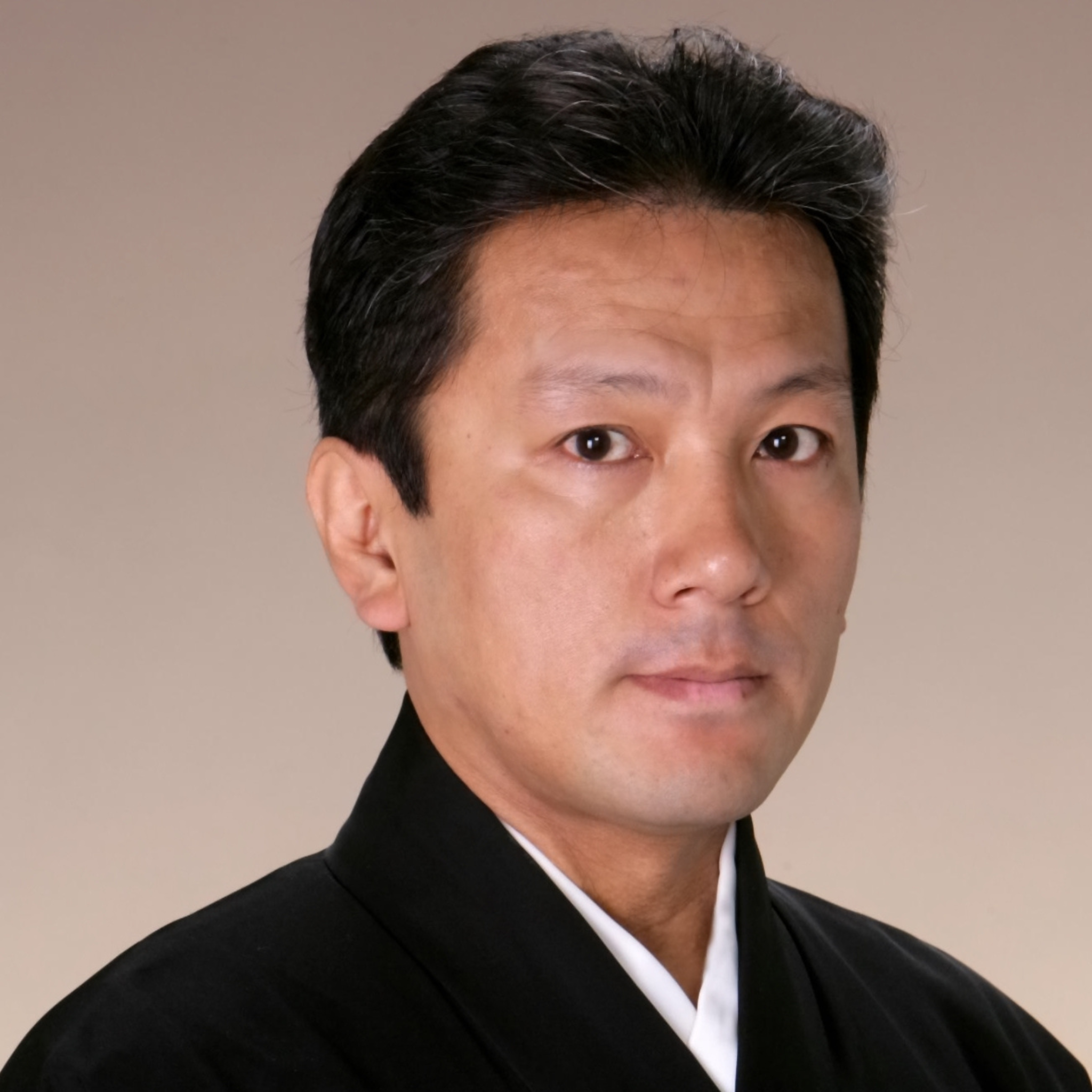
Born in Tokyo in 1967 as the second son of Living National Treasure Katada Kizokyu III. After graduating from Meiji University in 1990, he began performing under his father, Kizokyu. In 1998, he took on the name Katada Shinjuro IV. In 2025, he will take on the name Katada Kizokyu IV. Currently, as a traditional Japanese music musician, he performs in dance and kabuki performances, on NHK's "Geino Kiwamido," on television, radio, CDs, and overseas. He is currently a lecturer at Toho Gakuen College of Art and a holder of comprehensive certification in both the Important Intangible Cultural Property "Nagauta" and the Important Intangible Cultural Property "Nihon Buyo."
Kyonosuke Takemoto
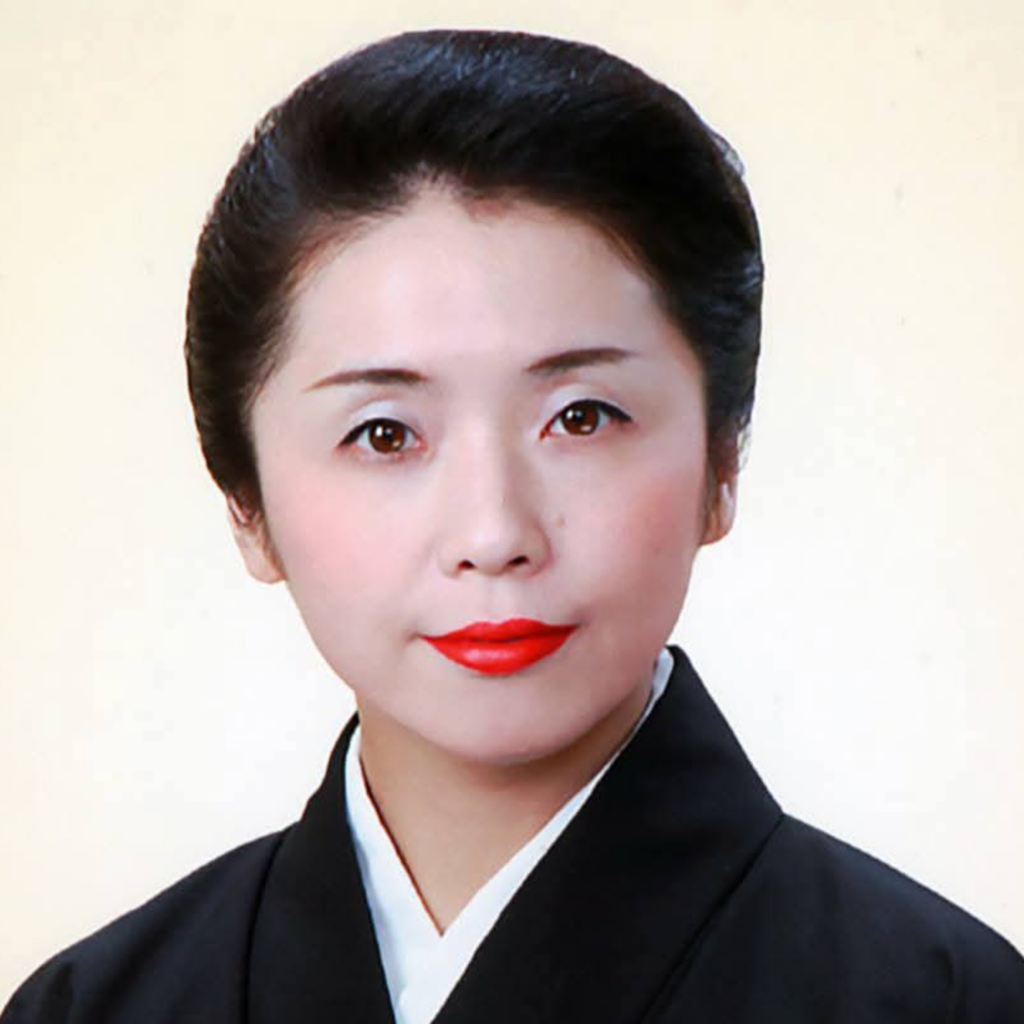
Born in Tokyo. Became an apprentice to Takemoto Komanosuke in 2004. Made her debut at the National Engei Hall in October 2006. Received the Gidayu Association Newcomer Encouragement Award in March 2015. Appeared in Tsugaju no Kai (sponsored by Tsurusawa Tsugaju) in July 2018. Appeared in the National Theater's "Upcoming Dance and Japanese Music Appreciation Event Carrying Tomorrow" in April 2022. From July 2022, she will be hosting the Kyonosuke no Kai. She has also appeared in the regular "Women's Gidayu Concert" and young performers' concerts. She has participated in the Agency for Cultural Affairs' "Children's Development Project through Culture and the Arts" and projects sponsored by Arts Council Tokyo.
A glimpse into the charms of Shinnai-bushi, Nagauta, and Japanese dance! A live report from the Edo Tokyo Traditional Performing Arts Festival pre-event
Learn about the profound world of Kabuki and experience the sounds that color it! A live report from the Edo Tokyo Traditional Performing Arts Festival pre-event