About the Edo-Tokyo Traditional Performing Arts Festival
ABOUT US
The Edo Tokyo Traditional Performing Arts Festival, which will begin in 2025, will inherit the Tokyo Metropolitan Arts Festival, which has been popular for over half a century, and will be reborn as a festival specializing in traditional Japanese performing arts such as Noh theater, Japanese dance, traditional Japanese music, vaudeville performances, and folk performing arts.From full-scale stage performances to easy-to-participate, hands-on workshops, it will be enjoyable for a wide range of generations, from children to adults.
Inquiries about the Edo Tokyo Traditional Performing Arts Festival
Edo Tokyo Traditional Performing Arts Festival Executive Committee Secretariat
This moment of art is truly a precious experience.
In this single chant, I feel as if I can hear the ancient principles.
See, art reflects a person's soul.
I'd love to be a comedian as cool as that someday.
I wonder what kind of beautiful world tonight's dance will show us.
The time spent performing arts is an irreplaceable luxury.
This moment of art is truly a precious experience.
In this single chant, I feel as if I can hear the ancient principles.
See, art reflects a person's soul.
I'd love to be a comedian as cool as that someday.
I wonder what kind of beautiful world tonight's dance will show us.
The time spent performing arts is an irreplaceable luxury.
2026.01.15
Visit
Let's go to a yose! A live house for yose performing arts that even beginners can enjoy - Part 2
Written and photographed by Yukiko Sakuraba | Photo courtesy of Asakusa Engei Hall
Key points of this article!
★ Easy-to-understand explanation for beginners: "How to enter a vaudeville theater or entertainment hall" ★ "How to enjoy a vaudeville theater" taught by Shosho Shunputei ★ Vaudeville theaters and entertainment halls in Tokyo where you can enjoy vaudeville entertainment
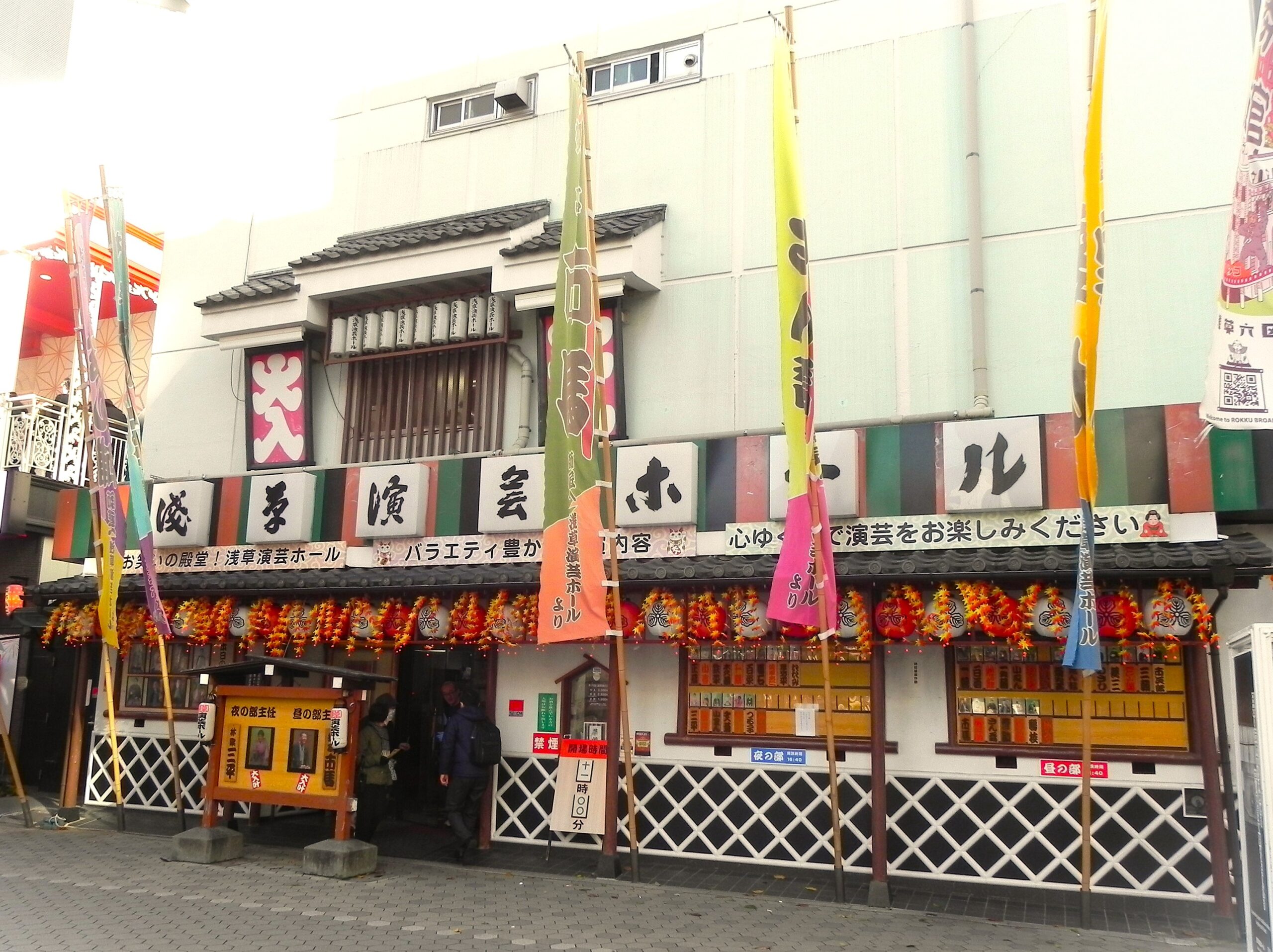
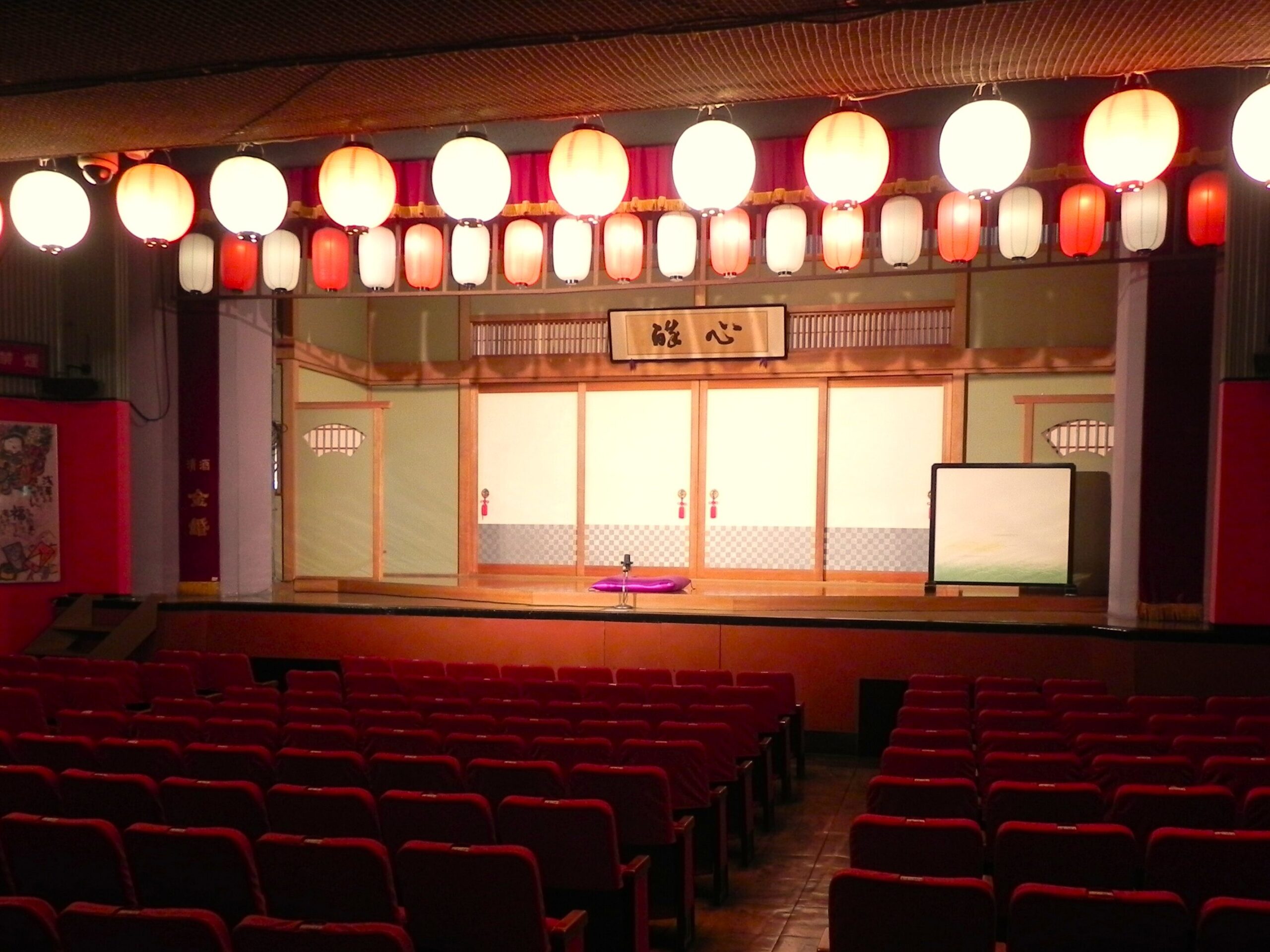
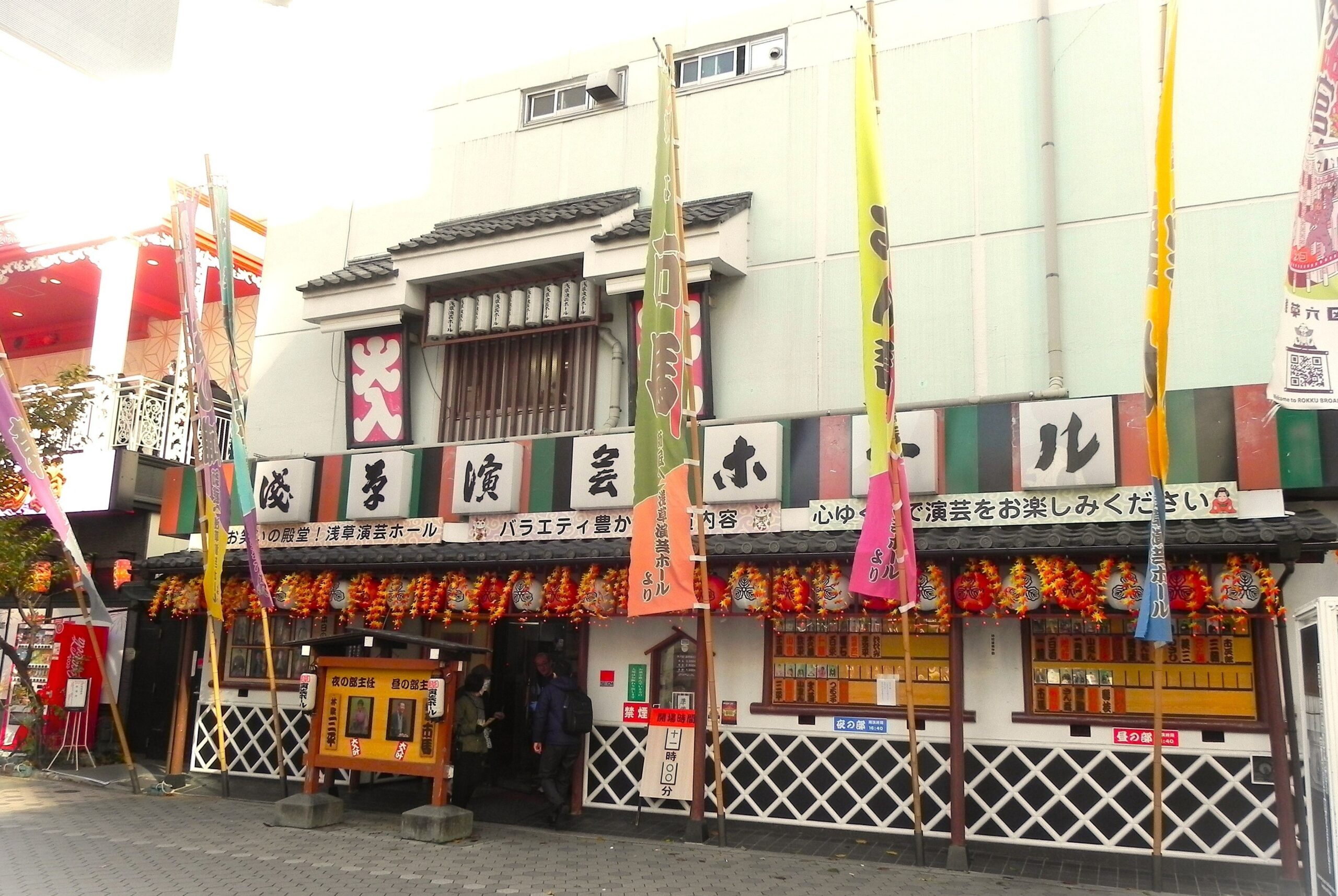
Asakusa Engei Hall: The largest comedy hall in Tokyo!
The second half of the program is a practical guide to going to a yose! For those who are thinking, "I want to go to a yose, but I'm a bit nervous about going alone," we'll introduce you to everything from how to enter a yose to the flow of the show, as well as yose and entertainment halls in Tokyo.
We'll also share "How to enjoy a yose" directly from Master Shunputei Shosho.So, let's go!
Don't get lost even if it's your first time! How to enter a yose and the rules ——
As long as you follow normal viewing etiquette, there are no strict rules. There is no dress code either. You can wear your usual casual clothes. If it's funny, just laugh as much as you like. Whether or not you can eat and drink varies depending on the yose or entertainment hall, so be sure to check the official website. Some yose also sell bento boxes. Do not enter if you are intoxicated. And please be careful of your smartphone's ringtone. It is good etiquette to always turn it off before the performance. Now, let's go to a yose!
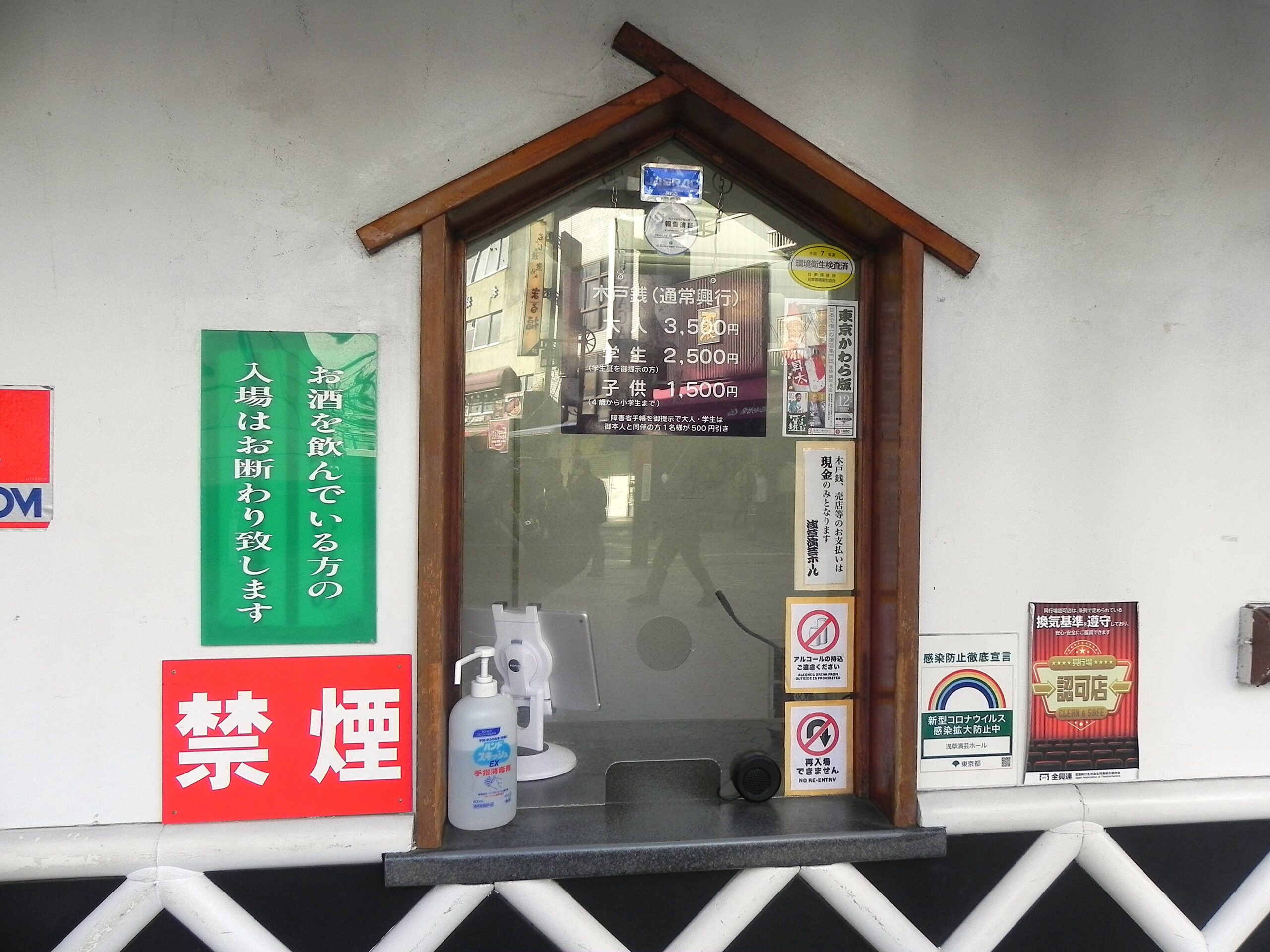
① Purchase a ticket at the gate
"Kido" refers to the ticket booth. It is also called "teketsu" as a corrupted form of "ticket. " "Kidosen" is the admission fee. Kidosen is around 3,500 yen, but for special performances such as New Year's and summer holidays, it is around 4,000 yen. Reservations are not required at most yose. Yose have daytime and evening seats. If a yose does not have a rotation system, if you enter for the daytime seating, you can stay until the evening seating. However, please note that re-entry is not permitted.
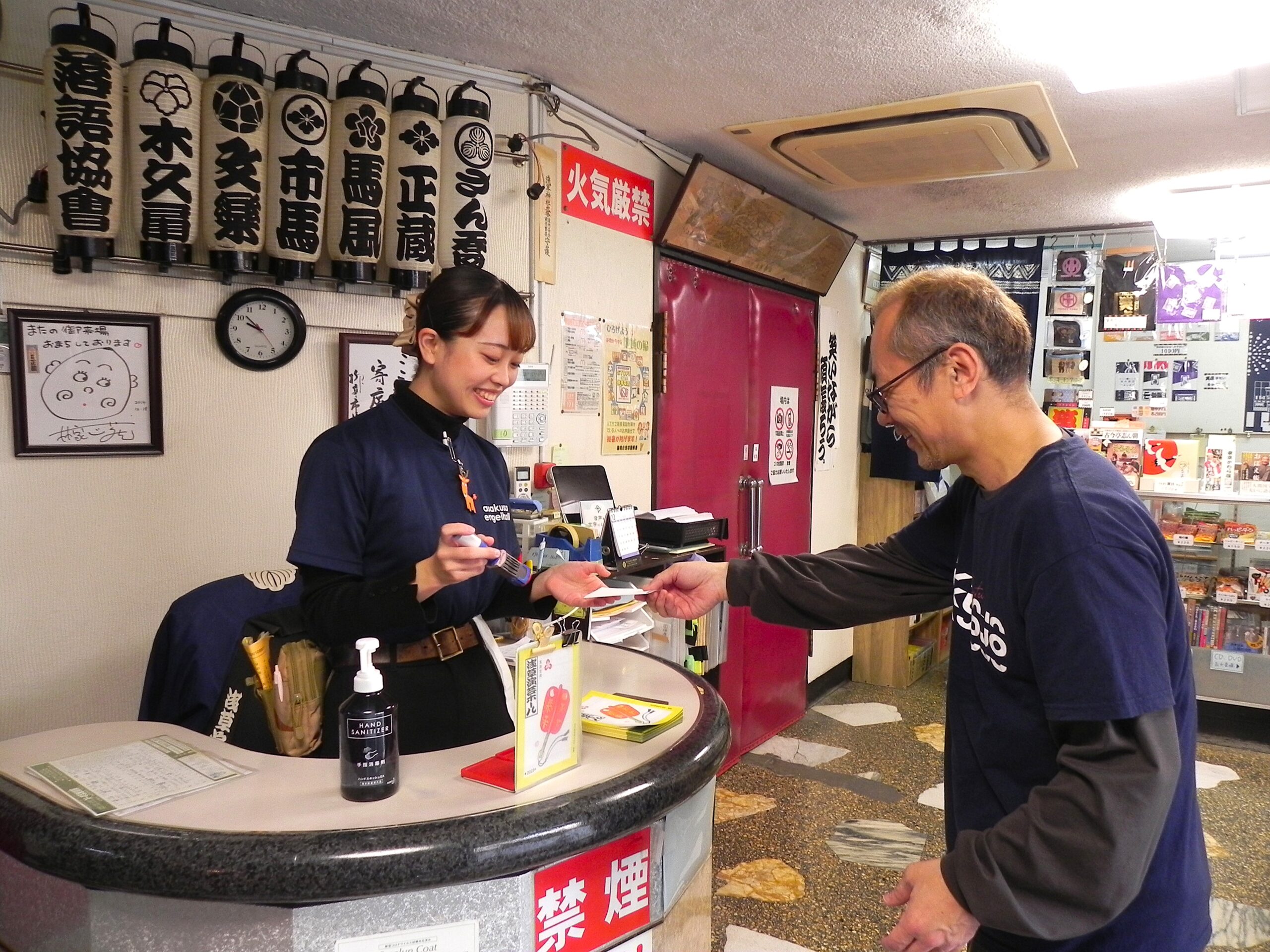
② Hand over your ticket and go to your seat
Take the ticket you received at the gate and head to the entrance. Hand it to the ticket staff and have them tear off the stub, then enter the hall and take a seat of your choice
③ Come on! Let's enjoy the entertainment of vaudeville!
Laugh as much as you want when you want to laugh, and be impressed if you think something is amazing. Please be careful as spoilers, laughing out loud too early, or clapping too early are rude.
④ You can come out anytime and stay until the end
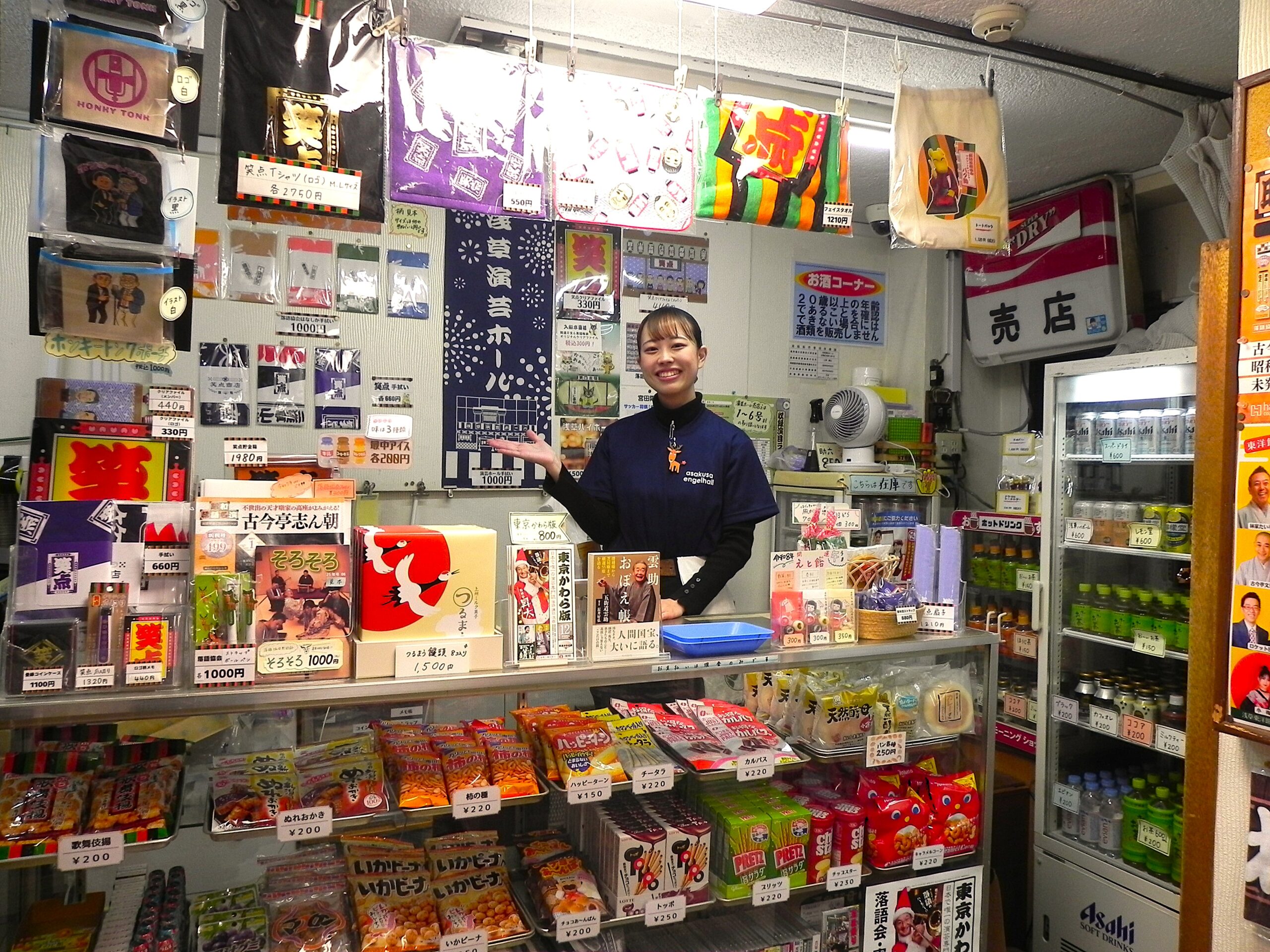
You can enter and leave a yose at any time. Some people enjoy the show to the fullest from the opening act to the final act, while others arrive just in time to see their favorite performer. Intermission is a break. You can go to the toilet or buy a drink. Some yose have a shop. In addition to bento boxes, snacks, and drinks, they also sell performer merchandise that can only be purchased at a yose. Be sure to check it out.
⑤ Enjoy after the show
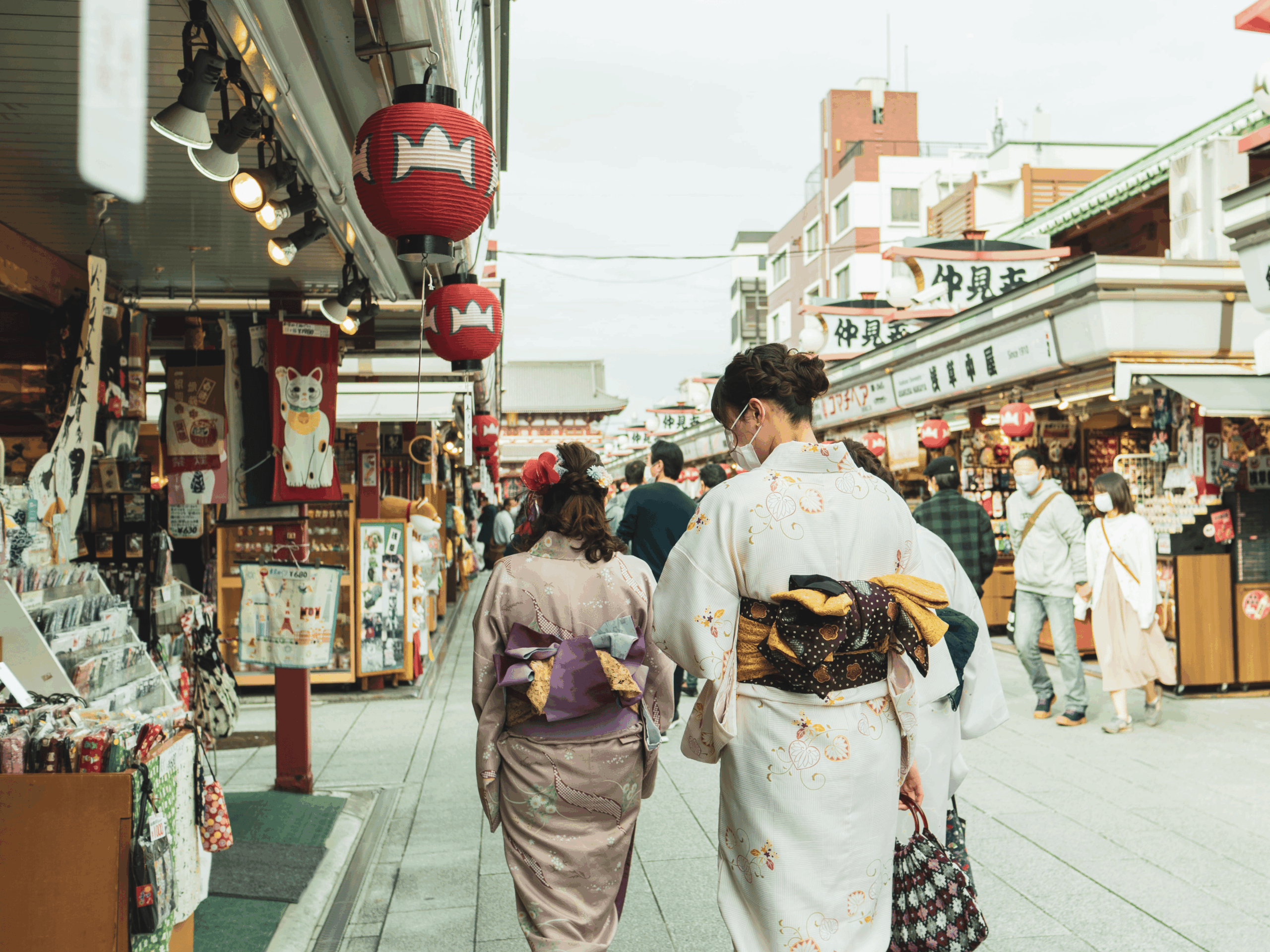
Daytime performances end around 4pm, and evening performances around 9pm. Many yose theaters are located in downtown areas, so it's fun to stop by the surrounding shops!
Best value for money! Program flow
Above all, yose is great value for money. Even without the changeover system, you can enjoy up to eight hours or more for around 3,500 yen, making it a favorite of the common people. When the doors open, the "Ichiban Taiko" drum sounds, "Dontokoi, dontokoi." Before the show begins, the "Niban Taiko" drum sounds, "Otafuku come on, come on, Otafuku come on." The performance begins with the opening act, called the "Kaiho Ichiban." This is followed by the Nittsume and Shinuchi. The number of performers varies depending on the yose or entertainment hall. There is a break, called "Nakairi," during the performance. The final performance before the intermission is the second most important role in the show. The performance immediately after the intermission is called "Kuitsuki." The performer is expected to perform a performance that will regain the audience's attention after they have been distracted by the break. The final act of the show is the "Tori," but before that, a variety act appears. This is called "Hizagawari." It's a difficult role to change the atmosphere in the venue before the final act, making it easier to perform the final act. And finally, the final act of the show, the "tori." The tori is the show's director, a veteran master. The bell that rings at the end of a yose performance is called "Okiedashi." It is said that the bell rings out, "Deteke, deteke" (get out, get out).
Enjoy the live atmosphere of a vaudeville festival!
At a yose, the programs (programs of performers) change for the upper, middle, and lower seats, which are divided into ten days each month. Furthermore, the programs to be performed on a given day are rarely decided. Performers decide on the day based on the audience's reaction, the season, and current topics. To ensure that the programs they perform don't overlap with those of other performers, entertainers consult their joke book (a book containing the day's programs) while waiting for their turn to decide. It's truly a one-day-only live performance. A yose is a festival of yose entertainment, where you can enjoy the entire program. Now, let's hand the baton over to Master Shunputei Shosho, who will share with us how to enjoy a yose, directly from the perspective of a rakugo storyteller.
"Going to a vaudeville theater can change your life..." Perhaps !? Shunputei Shosho's " Heartwarming Guide to the Vaudeville Theater"
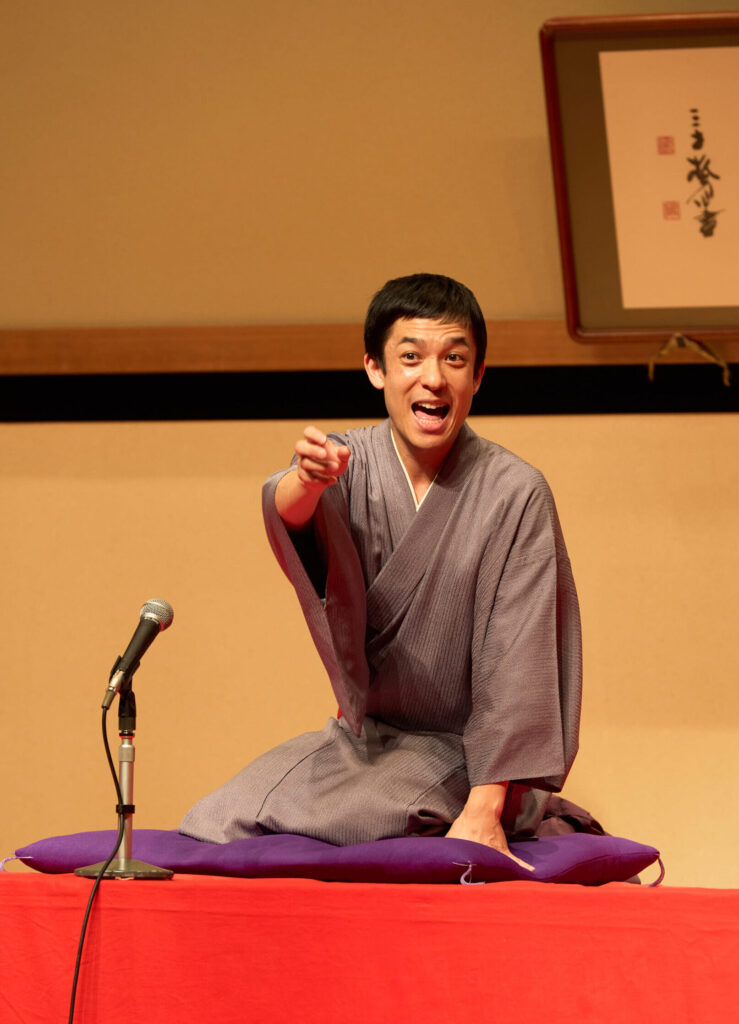
There are many doors in the human heart. Usually, most of these doors are closed. But if they open for some reason, you can never go back to the person you were before. In other words, your life will change. A ! Perhaps ... A yose has something that can only be found there. That is "life." A place where living things try to communicate something. There is a clash between humans (performers) and humans (audiences). And it all takes place over an overwhelming amount of time. How backwards. And that's why it's so new! Laugh if it's funny, cry if you want to cry. If you don't feel anything, just stare blankly. There's no need to stand up like at a live music concert. But if you stay long enough, you can't help but feel something. Because the performers are professionals. There is human spirit here. It might be boring. You might think it's old-fashioned. I thought the same thing the first time I went to a yose. But it wasn't just that. There was a storyteller who continued to perform to the best of his ability, even if he wasn't getting any laughs. And I thought, "This is uncool, but maybe it's really cool." It was the first time in my life that I had ever felt moved, and in other words, the moment a new door to my heart opened. I want to move people's hearts. Just like that uncool storyteller. That's why I wrote such a passionate and uncool piece. That's why I still want to say, "Going to a vaudeville theater will change your life." A new door to your heart won't open unless you come into contact with new things. Come to a vaudeville theater and open that door!
Introducing the major comedy halls and entertainment venues in Tokyo!
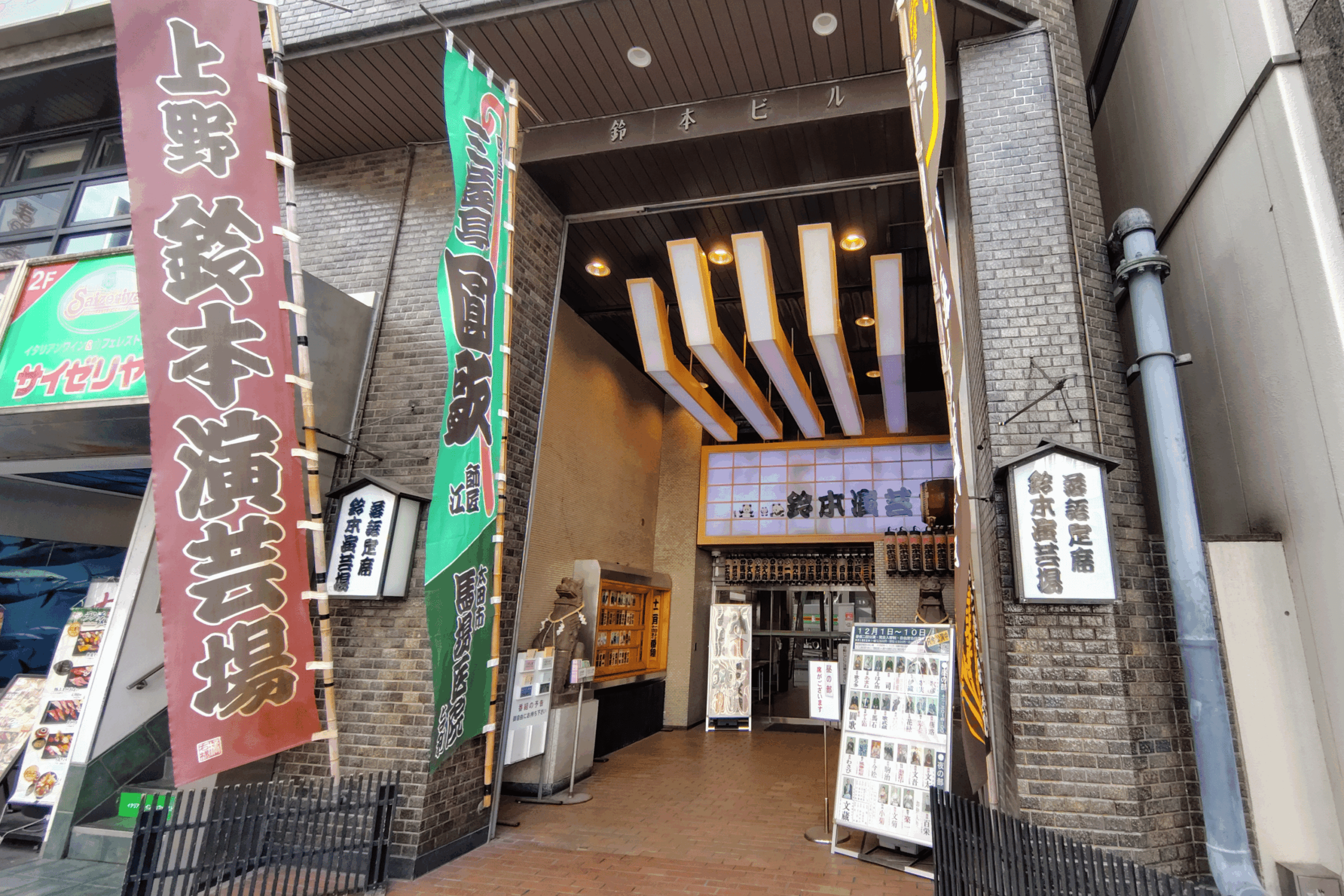
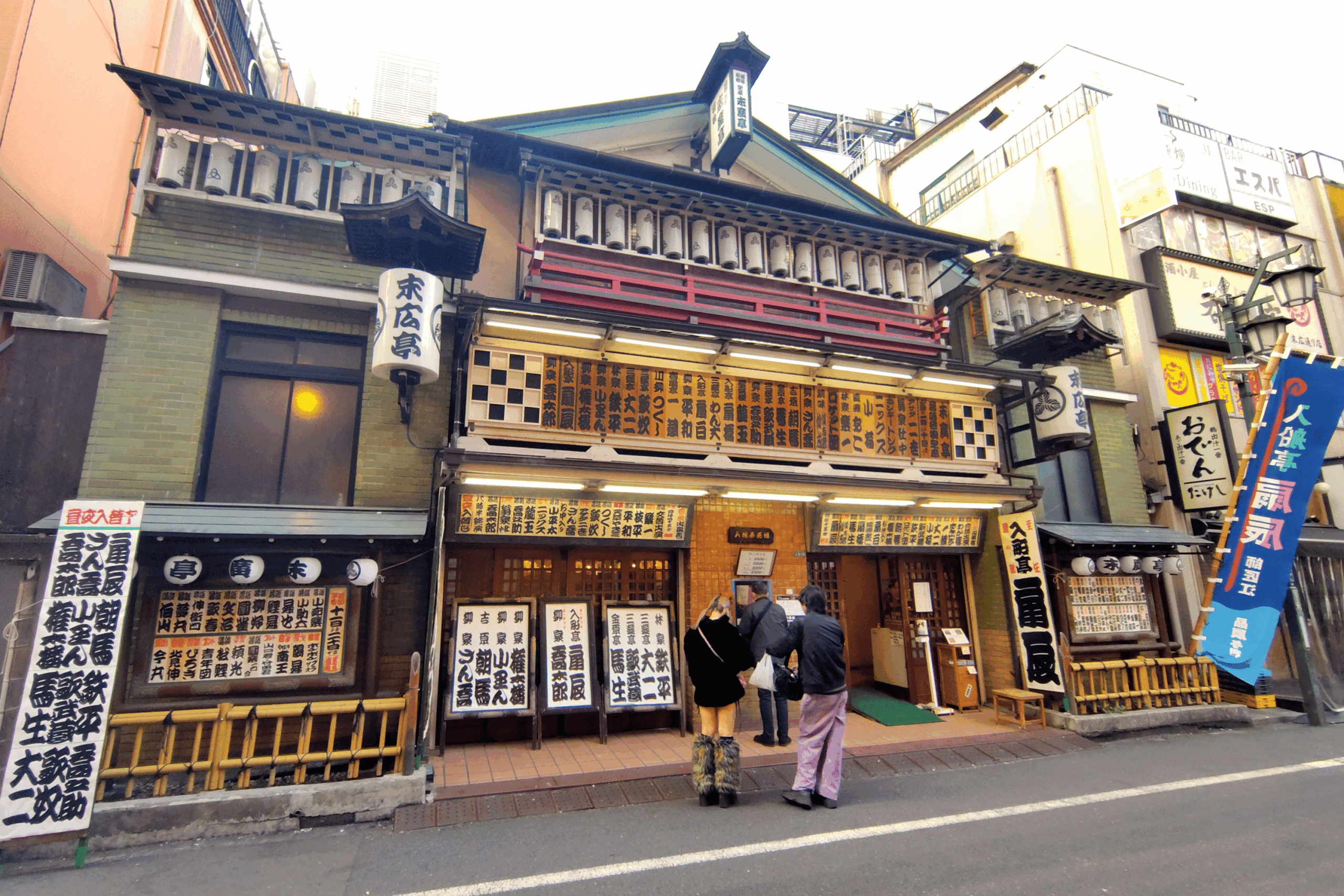
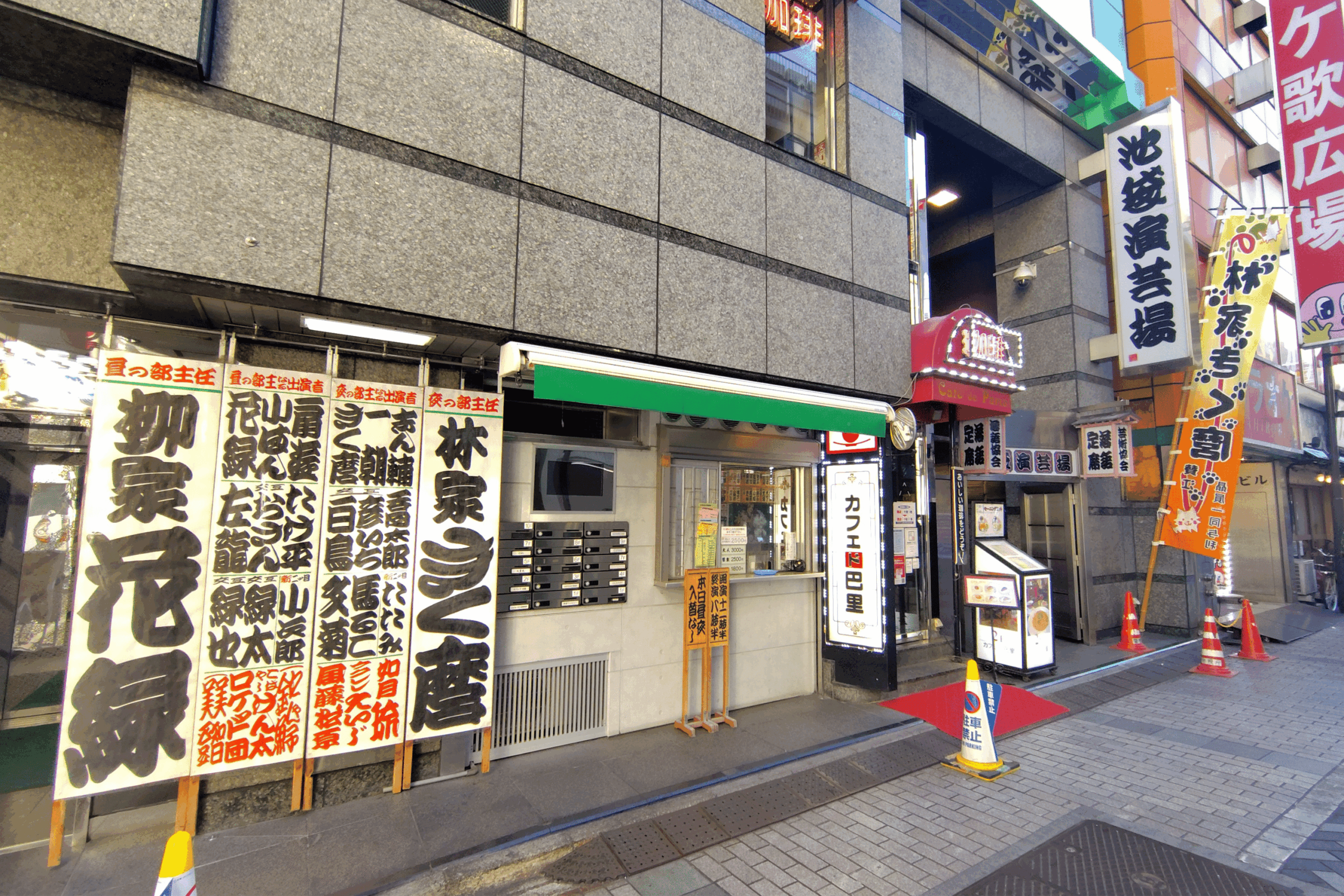
Located in the entertainment district of Asakusa, this is the largest and most historic comedy hall in Tokyo. There's also a wide selection of merchandise for sale!
A relatively cheap and casual entertainment venue with a friendly, homey atmosphere.
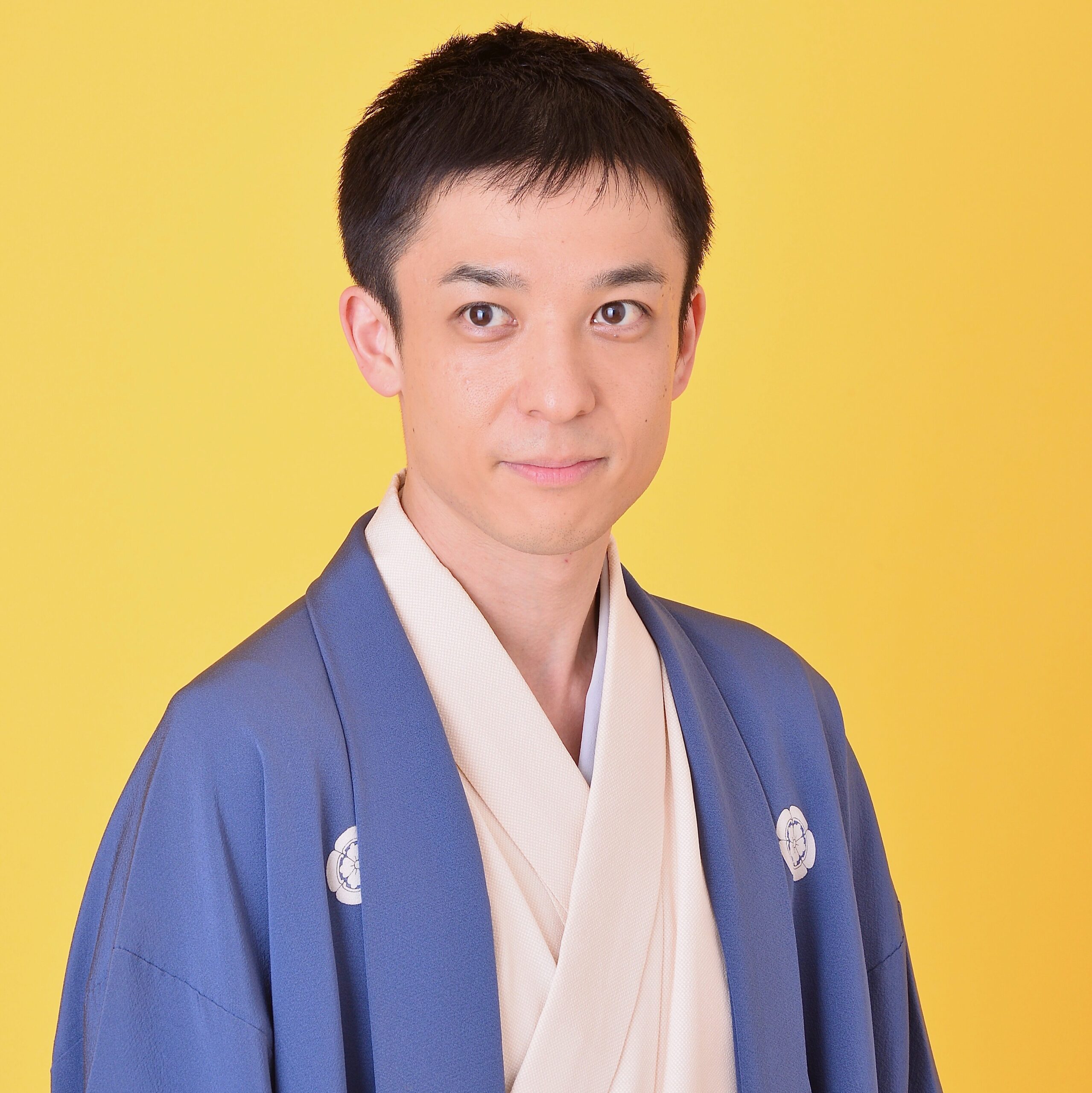
Shunputei Shosho
A revolutionary in the field of new rakugo, the 41-year-old from Chiba Prefecture became a disciple of Shunputei Shota in 2007. He won the 2nd Shibuya Rakugo Grand Prize in 2016 and the Shibuya Rakugo Creation Grand Prize in 2020. He was promoted to shin'uchi in 2021 and is currently challenging himself to create even more new rakugo.
Because it's a popular entertainment, we want you to experience it live!
You can only truly enjoy the live feeling of a yose if you go there multiple times. The sense of unity created between the performers and the audience cannot be experienced on television or video. This is the true joy of a yose. Come enjoy the world of the yose, the most accessible public entertainment venue!
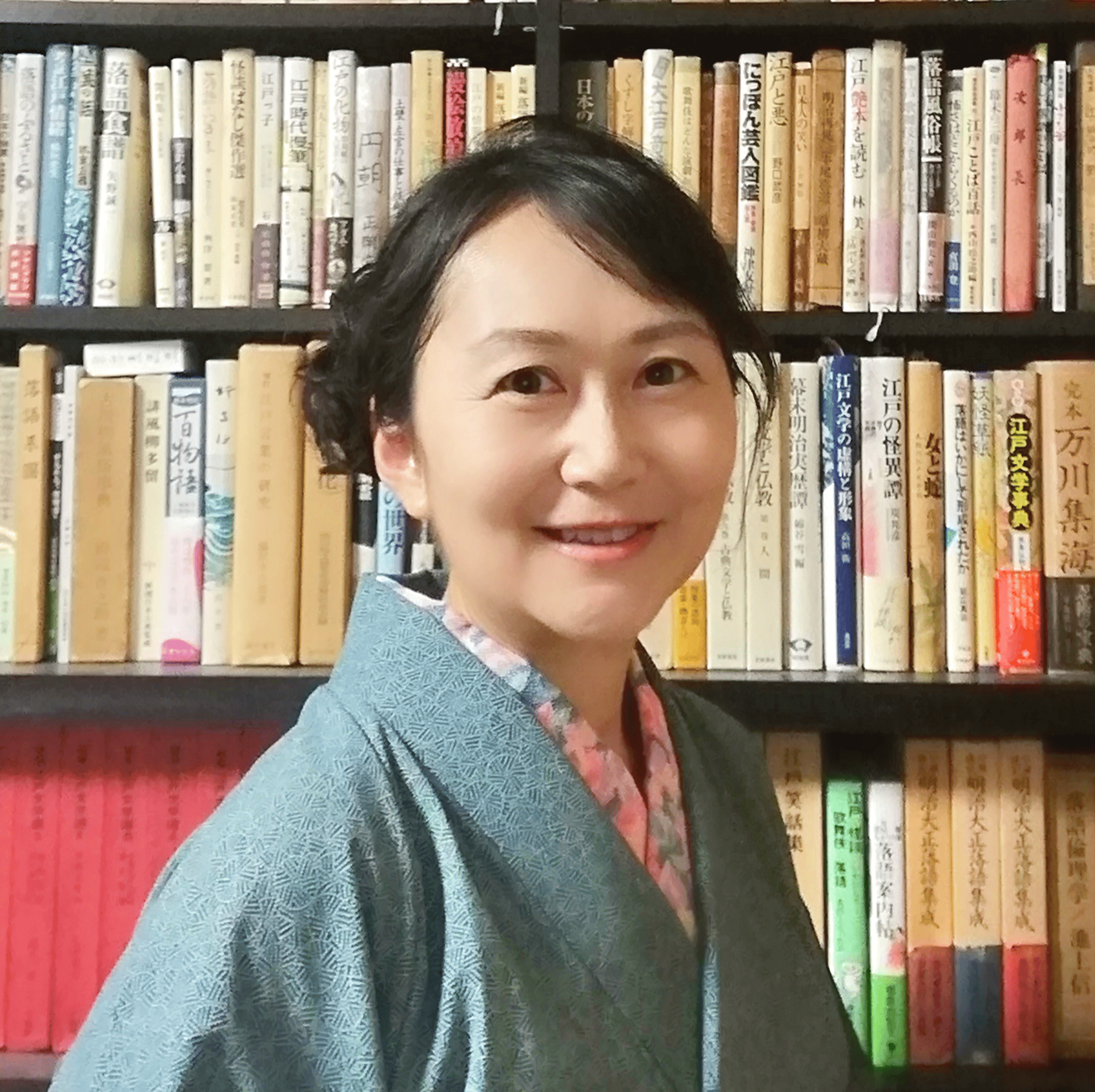
Yukiko Sakuraba
A Hokkaido-born author and writer, he writes general books, novels, and columns explaining traditional performing arts, including rakugo, Edo culture, and Edo supernatural phenomena. His recent works include "How Edo Ghost Stories Became Masterpieces of Kabuki and Rakugo," "How Rakugo Shorthand Changed Literature," " An Encyclopedia of Classic Entertainment Plots," and "I Tried Working Part-Time in Edo."
Here are the performances where you can experience vaudeville at the Edo Tokyo Traditional Performing Arts Festival – Event Pickup –
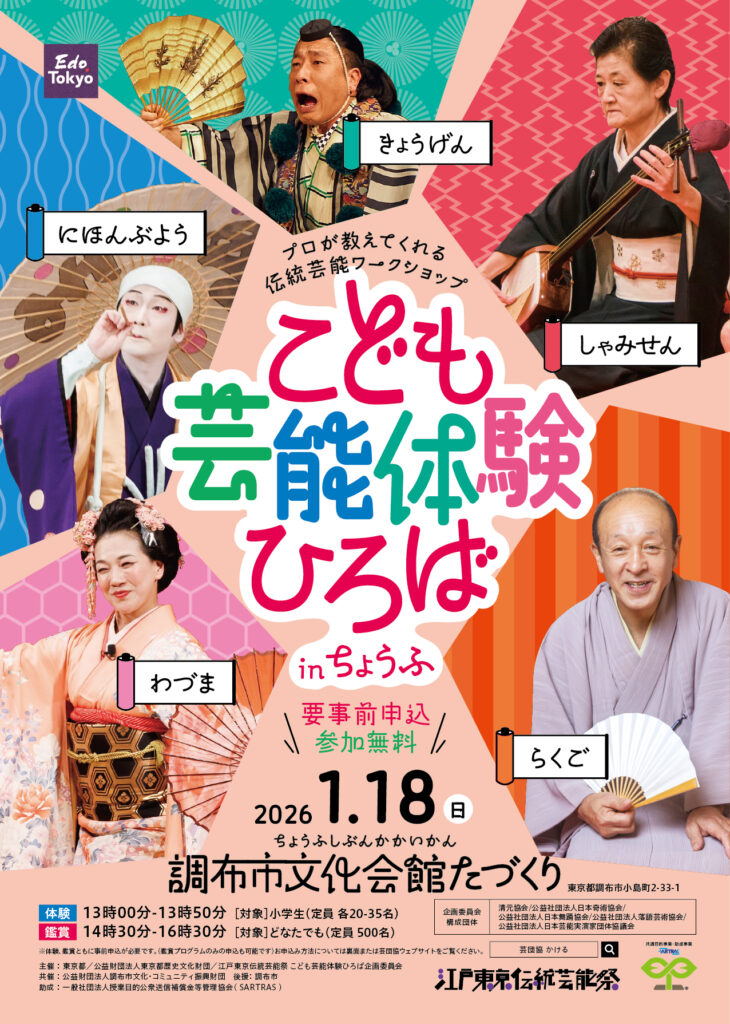
Children's Performing Arts Experience Plaza in Chofu
The event will be held on Sunday, January 18, 2026, at Chofu City Cultural Center Tadukuri!
Enjoy a variety of performances, including Rakugo, Wazuma, Kyogen, Shamisen, and Japanese dance, both with professional instruction and as a digest performance
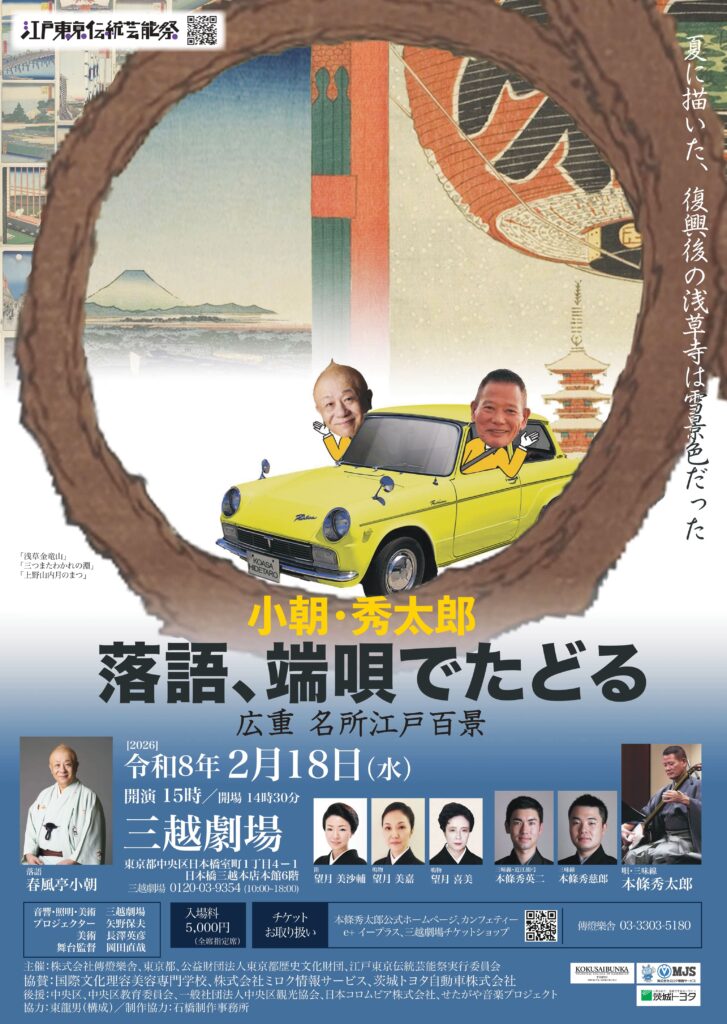
Koasa and Hidetaro: Exploring Hiroshige's One Hundred Famous Views of Edo
Held at Mitsukoshi Theater on Wednesday, February 18, 2026! 170 years have passed since Utagawa Hiroshige painted his masterpiece, "One Hundred Famous Views of Edo." , with representative works of Japonism projected against the background .
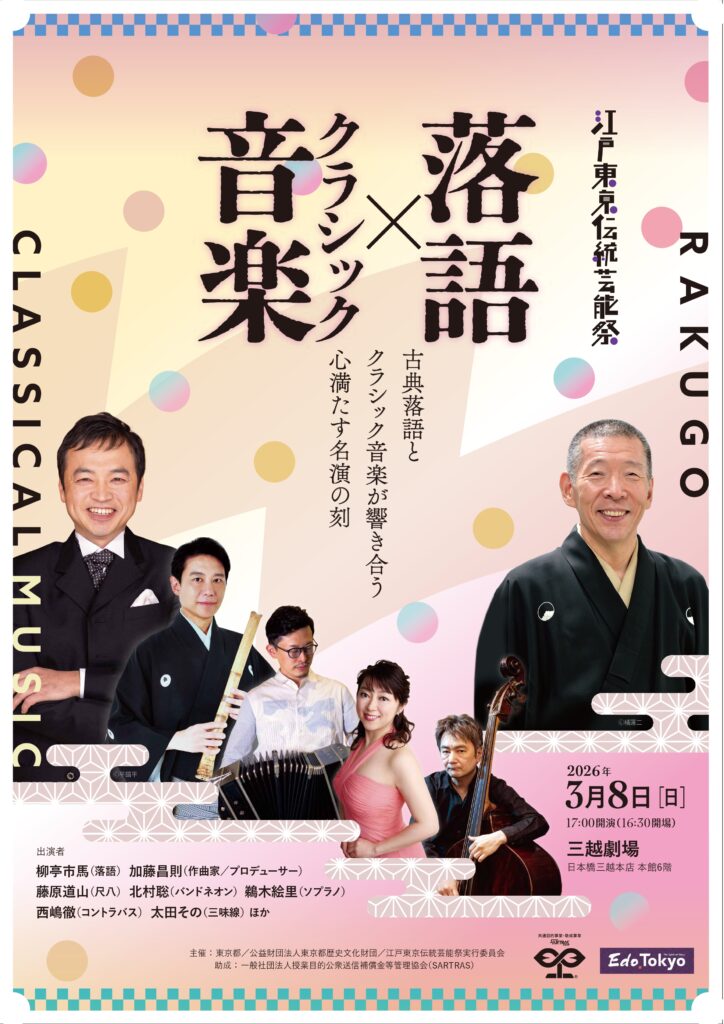
Rakugo x Classical Music! ~Rediscover the Charm of Japanese Songs and Words~
The show will be held at Mitsukoshi Theater on Sunday, March 8, 2026! Rakugo and classical music come together to create a new stage! The sounds of the bandoneon and shakuhachi, the sounds of song, and the narration by Yanagiya Ichiba will all combine to create a stage filled with emotion and humor.
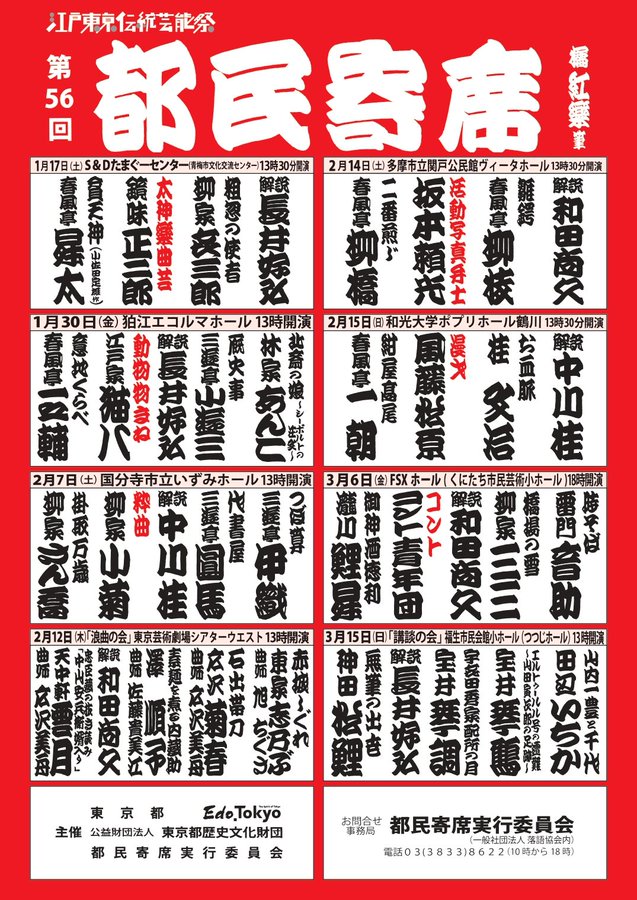
The event will be held at eight locations in Tokyo from January 17th to March 15th, 2026! The
event will feature a stellar lineup of performers showcasing the
rich and stylish "yose" popular culture that has continued since the Edo period , including rakugo, rokyoku, , along with commentary from experts. It will also feature programs specifically for rokyoku and kodan performances.